Garden problem · Observation index
Garden pests: what to look for in your beds
Look at what is in the bed, then compare cited observations. This is a garden index of named looks and signs — not a diagnosis of your garden, not a ranking of pests, and not a spray plan. Houseplant “bugs on plants” terms are not this page.
Cited observations are comparisons—not a confirmed diagnosis. Check the cited sources and local requirements before taking action.
Save this bed. See it coming next year.
Your checks stay in the Field Book so next season is not a guess.
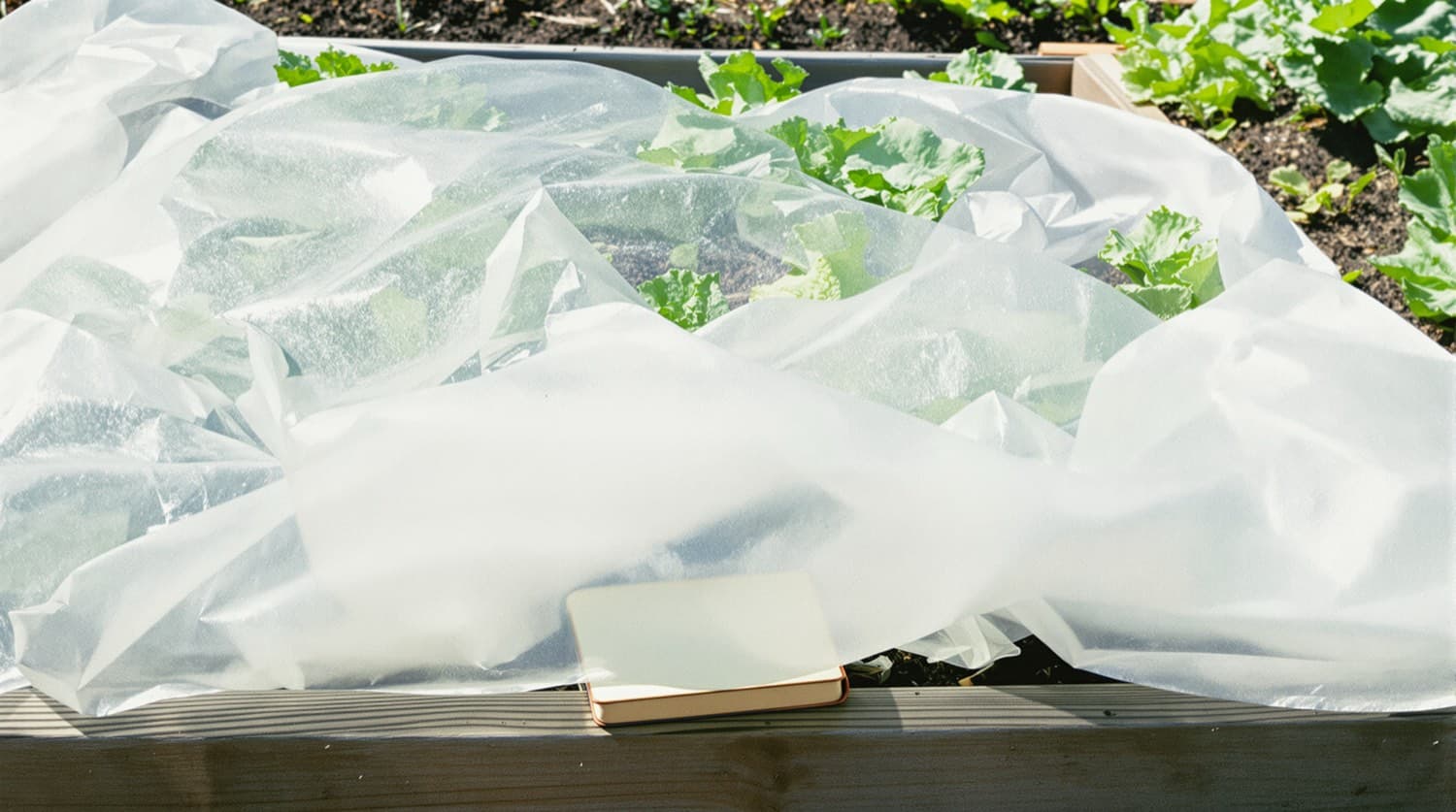
Illustrative photograph — not identification proof.
What to look for
Newest growth, undersides, slime, droppings, grouped insects, and whether a maggot is still in a mine. Damage alone does not name a pest on this page.
What the sources say — at a glance
One source per card. Facts are not averaged.
UMN Extension (Minnesota)
Aphids 1/16- to 1/8-inch, pear-shaped, soft-bodied; check for two cornicles. Hose spray knocks them off. Weed sanitation names sowthistle and mustard.
Details and limits (5)
Look
UMN Extension (Minnesota): aphids are small, 1/16- to 1/8-inch-long, pear-shaped, soft-bodied insects; color may be green, black, red, yellow, brown, or gray. Identification on their home yards and gardens sheet — not a diagnosis of a given garden.
Look
UMN Extension (Minnesota): the best way to identify aphids on their sheet is to check for two tail pipes (cornicles) at the end of the abdomen. Identification trait — not a ranking and not a treatment.
Containment
UMN Extension (Minnesota): you can physically knock aphids off plants with a strong spray of water from a garden hose. Water-spray as cited — not a pesticide, rate, or efficacy ranking.
Containment
UMN Extension (Minnesota): their home yards and gardens aphid sheet lists weed removal as sanitation context; sowthistle and mustard are named as weeds that can support large numbers of aphids. Sanitation on their sheet — not an attack-reduction outcome, not a treatment, and not a BioArva weed program.
Limit
Minnesota home yards and gardens aphid sheet. Observation and sanitation only. Not a lettuce-sheet transfer.
UMN Extension (Minnesota)
Slugs as snails without shells; slimy, 1/4 inch to two inches or longer; slime trail. Night and damp. Remove hide sites. Size not blended with Maryland.
Details and limits (4)
Look
UMN Extension (Minnesota): slugs can be described as snails without shells; they are slimy and soft-bodied, without any legs, generally brownish or grayish, 1/4 inch to two inches or longer; a dried slime trail indicates slugs are active in your garden. Identification on their home-garden sheet — not a diagnosis.
Look
UMN Extension (Minnesota): slugs are generally active at night when it is cool and damp; in the evening, use a flashlight to locate slugs. Look-context on their sheet — not a treatment.
Containment
UMN Extension (Minnesota): remove or relocate materials where slugs hide such as containers, boards, pavers and flat stones; too much chopped-leaf mulch can encourage slug habitat. Sanitation on their sheet — not a product barrier or bait.
Limit
Minnesota home-garden slug sheet. Size range is this sheet’s — not Maryland’s. Not bait.
Maryland Extension (Maryland)
Adults 1.5–5 inches, no shell. Ragged interior holes and silvery slime. Sanitation and seedling row cover. Size not blended with Minnesota.
Details and limits (7)
Look
Maryland Extension (Maryland): adults 1.5–5 inches long, slimy, fleshy body that tapers at both ends; colors range from black or brown or gray to yellowish or creamy; do not have a shell (“naked snails”). Appearance on their vegetable-slug sheet — not a diagnosis.
Look
Maryland Extension (Maryland): slugs prefer cool, wet environments and are active primarily at night or on heavily overcast days; they seek shelter during the day under debris or objects. Look-context — not a treatment.
Setting
Maryland Extension (Maryland): host plants include soft-leaved herbaceous plants, especially asparagus, leafy crops (beets, cabbage, Swiss chard, lettuce, spinach), and solanaceous plants such as eggplant, pepper, potato, or tomato. Setting as named on their vegetable sheet — not a crop-pest page and not a ranking.
Look
Maryland Extension (Maryland): slugs chew ragged, small to large holes primarily in leaf interiors, instead of along the edge, and typically leave silvery slime trails. Pattern on their vegetable-slug sheet — not a diagnosis of a given garden.
Containment
Maryland Extension (Maryland): sanitation is important — remove low-growing weeds, debris, rocks, and any other object slugs may hide beneath. Sanitation on their sheet — not a bait or rate.
Containment
Maryland Extension (Maryland): use row cover to protect seedlings. Exclusion as cited on their vegetable-slug sheet — not a growth outcome, feeding-reduction promise, or product SKU.
Limit
Maryland vegetables slug sheet. Adult size 1.5–5 inches is this sheet’s — not Minnesota’s. Not bait.
UMass Extension (Massachusetts)
Look first at the damage and any signs left behind. Night chewing may be four groups — distinguish by signs, not holes alone. Tracks in limestone powder the next day.
Details and limits (10)
Look
UMass Extension (Massachusetts): the first thing to do is to look carefully at the damage and any signs left behind. Scouting step on their home vegetable sheet — not a diagnosis and not a treatment sequence.
Limit
UMass Extension (Massachusetts): if holes or ragged chunks of leaves disappear slowly, with a little feeding each night, beetles, caterpillars, earwigs or slugs may be the culprits; their sheet says to distinguish among these four by looking for signs left behind. Source-scoped possibility — not a diagnosis of a given garden and not inferred ID from holes alone.
Look
UMass Extension (Massachusetts): caterpillars leave fecal droppings under the leaves or around the damage; droppings look like small pellets. Sign on their sheet — not a ranking.
Look
UMass Extension (Massachusetts): cutworm caterpillars feed at night on both stems and leaves; during the day look for the curled up caterpillars just under the soil surface near plant stems. Look-context — not a treatment.
Look
UMass Extension (Massachusetts): if plants have wilted, drooping leaves or small yellow spots, look carefully for tiny, soft-bodied insects in groups along the stems or under the leaves. Look-instruction — not an inferred ID from yellow spots alone.
Look
UMass Extension (Massachusetts): aphids and whiteflies don’t grow more than about 1/8 inch long; look for a sticky residue called honeydew on leaves below or close to where they feed. Size and residue as cited — not a diagnosis and not a food-safety claim.
Look
UMass Extension (Massachusetts): squash bugs emerge from bronze colored eggs usually laid in clusters on the bottom surface of squash leaves; about 1/8 inch long, grey and soft at first, they grow into brown, hard-shelled adults nearly 3/4 inch. Identification on their vegetable sheet with squash as the named setting — not a squash-pest page and not a ranking.
Look
UMass Extension (Massachusetts): on spinach, beets, and Swiss chard, you can pull off the top surface of a mine and find the little white maggot, if it is still active. The required observation is that active maggot in the mine — tan blotches alone are not an identification.
Look
UMass Extension (Massachusetts): sprinkle a layer of finely ground limestone around the damaged plants and look for animal tracks left in the powder the next day. Scouting context only — not a list of animals, not a damage-pattern diagnosis, and not a deterrent or treatment.
Limit
Massachusetts home vegetable sheet. Look-first. Not inferred ID from damage. Limestone is a scouting surface, not control.
Sources differ
Make it yours
Save the bed in the Field Book so next season is not a guess.
Crop pest pages are not this index
Lettuce already has its own observation page. Tomato and squash pest pages are not this URL.
Lettuce pestsSquash bugsSquash vine borerTomato pestsTomato hornwormLeaves turning yellowTomatoesPeppersSquash
What are these little bugs in my garden?
This page does not name “the” bugs in a garden from a photo. Compare the cited looks: pear-shaped insects with cornicles on the Minnesota aphid sheet; grouped tiny insects on stems or undersides on the Massachusetts sheet. Contact local Extension if you want an identification.
How can I identify insects in my garden?
UMass says the first thing to do is look carefully at the damage and any signs left behind. Identification traits stay on the named sheets — cornicles, slime trails, pellets, bronze egg clusters. This page does not infer a pest from holes alone.
How do I tell what animal is eating my garden?
UMass lists sprinkling finely ground limestone around damaged plants and looking for tracks in the powder the next day. That is scouting — not a list of animals, not a diagnosis from chew pattern, and not a deterrent.
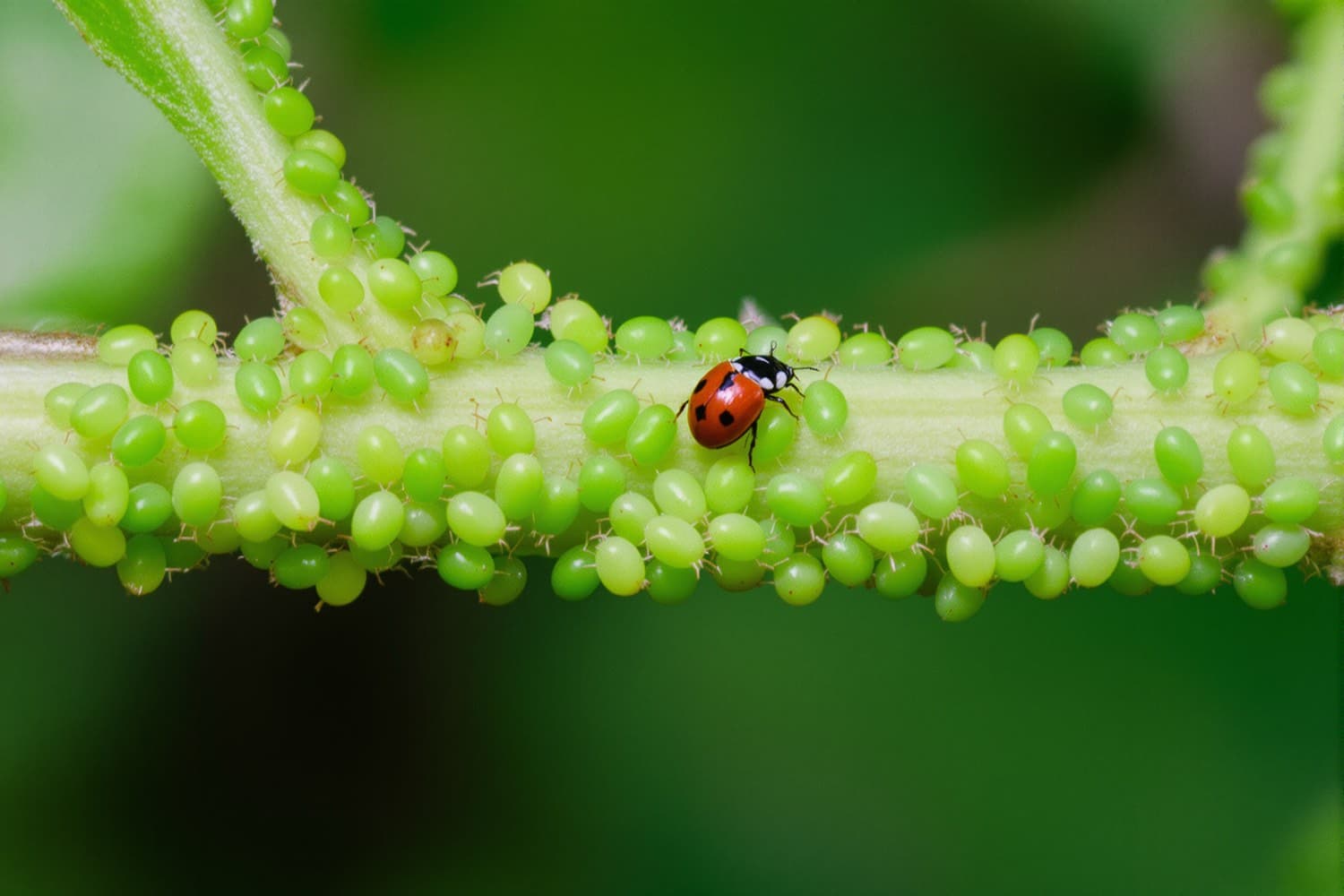
Illustrative photograph — not identification proof.
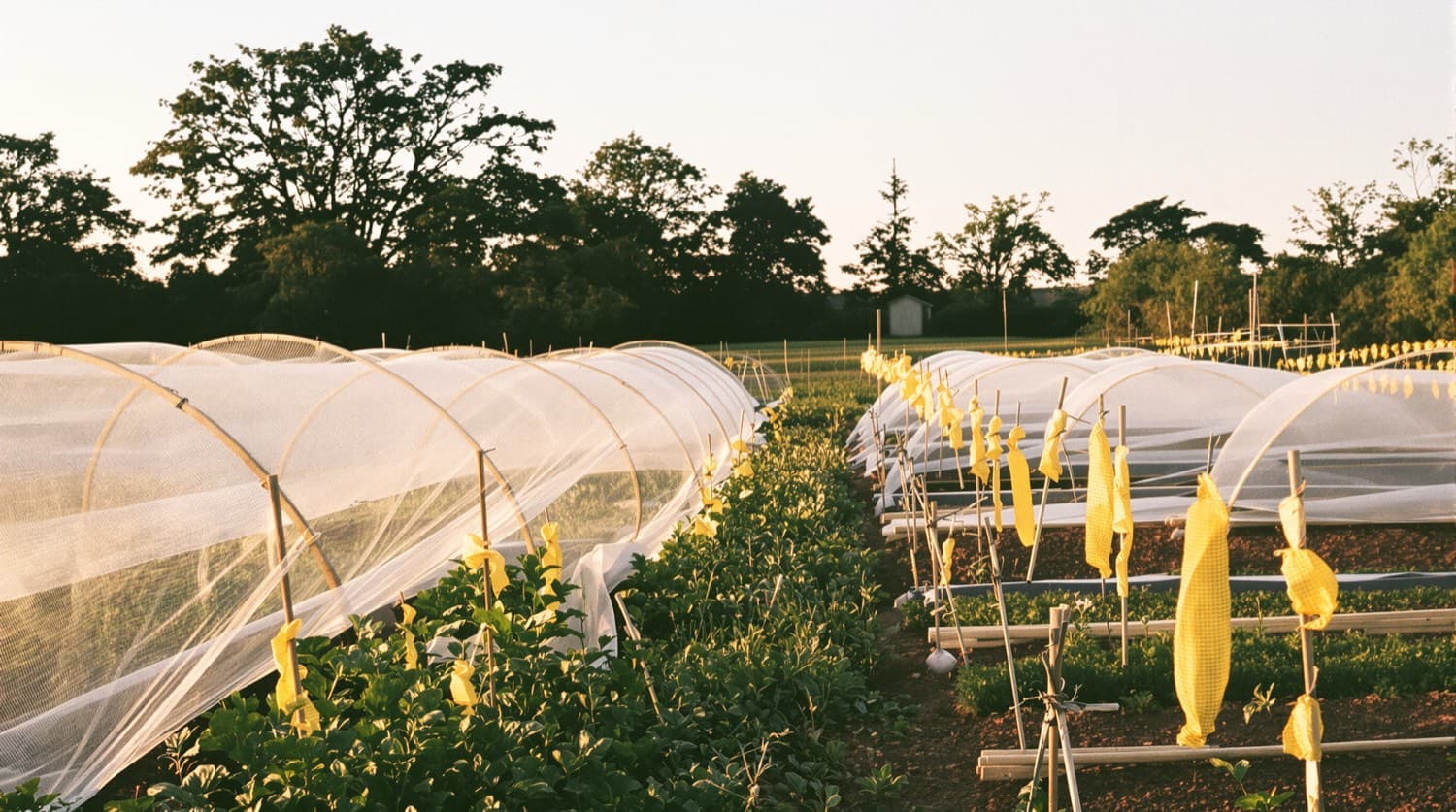
Illustrative photograph — not identification proof.
How we know — methodology. Ranges and assertions are cited per source, not blended.