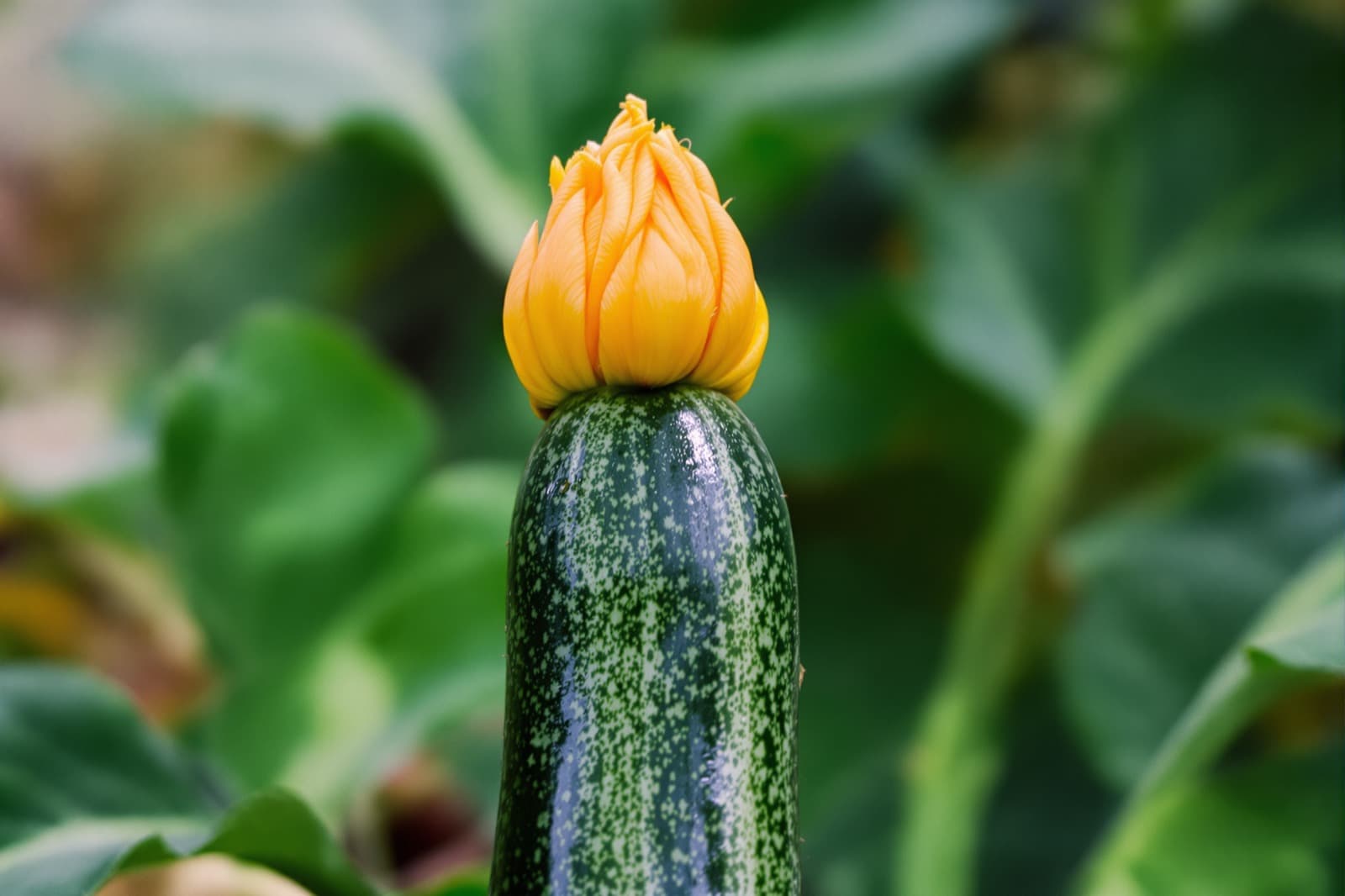
Crop guide
Growing zucchini
Growing zucchini means matching cited type, spacing, container, and pollination notes to your bed, keeping sources separate by geography. There is no single trick. Zucchini is a summer squash; this page does not replace the squash hub.
Growing guidance is general information. Timing, spacing, and care depend on cultivar, weather, soil, and local conditions. Check the sources and adjust the plan for your garden.
Steps (range, not a promise)
- 01Read cited type and habit notes — they are not one BioArva average.
- 02Match spacing and container notes to the sheet for your geography.
- 03Log the bed so next season is not a guess.
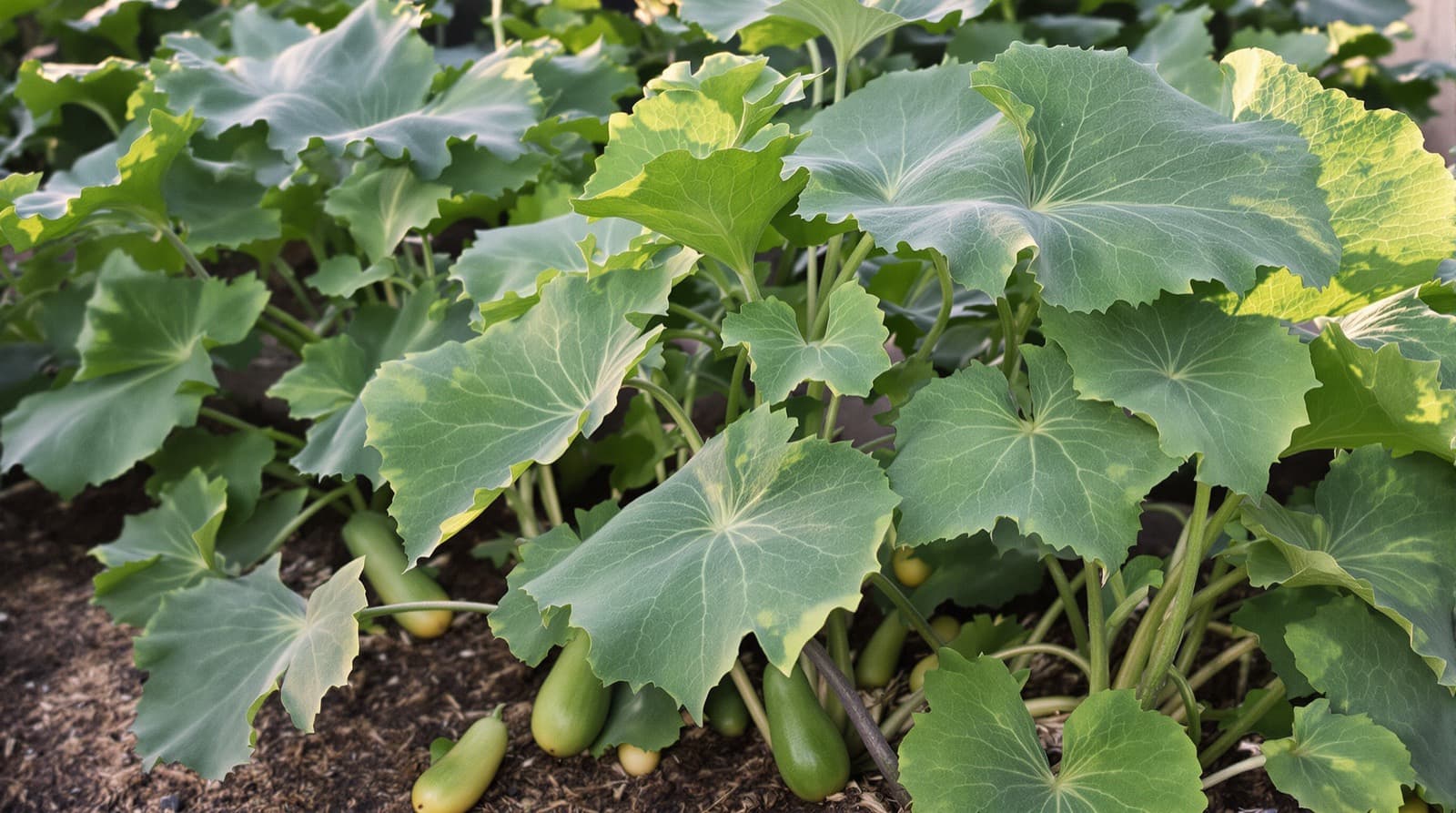
Zucchini in a home garden bed.

The season, on your ground
Save this bed — freeWhen to plantCareWhen to harvestSquash bugsGarden pestsTomatoesPeppersBeansLettuceSquashOnions
What the sources say — at a glance
One source per card. Facts are not averaged.
UMN Extension (Minnesota)
Summer squash including zucchini is Cucurbita pepo. Some varieties ramble; others are bush types. Separate male and female flowers.
Details and limits (8)
Types
Summer squash (Cucurbita pepo), including zucchini, crookneck, straightneck, patty pan and other similar types, is common in Minnesota vegetable gardens. Type list on their sheet — not a ranking.
Habit
Some summer squash varieties form long, rambling vines; others are bush types. Habit on their sheet — not a ranking.
Spacing
Sow seeds about a half-inch deep; for vining types, sow two inches apart and allow about two or three feet of space on either side of the row. Spacing on their sheet — not a BioArva average.
Spacing
After emergence, thin seedlings to stand eight to 12 inches apart; a hill of three or four seeds sown close together is another way, with five to six feet between hills. Spacing on their sheet — not a BioArva average.
Spacing
Bush types, with very short vines, can be planted in closely spaced hills or rows, with only two to three feet between rows or hills. Spacing on their sheet — not a BioArva average.
Pollination
Squash plants have separate male and female flowers; a slender stem attaches male flowers to the plant; female flowers grow close to the main vine with a small round ovary (the unfertilized fruit) between the flower and the vine. An insect must move pollen from male to female flowers; bees are common squash pollinators. Flower/pollination context on their sheet — not a diagnosis.
Cover
Their sheet says row covers are removed from the plants once flowering begins so pollinating insects can reach the flowers. Pollination/cover context on their sheet — not a requirement.
Limit
Minnesota summer-squash sheet. Not a trellis measurement.
Clemson HGIC 1321 (South Carolina)
Lists yellow, zucchini, and scallop among summer squash types. Full sun; rows 3 feet; thin to 12 to 15 inches. Male and female flowers on the same plant.
Details and limits (5)
Types
Their sheet lists yellow (straight and crookneck), zucchini, and scallop among summer squash types. Type list on their sheet — not a cultivar ranking.
Spacing
Plant in full sun in rows spaced 3 feet apart; seeds ½ inch deep and 4 to 6 inches apart; thin at one to two true leaves to 12 to 15 inches, selecting the most vigorous; transplants 15 inches apart. Spacing on their sheet — not a BioArva average.
Spacing
Squash can also be planted in hills — rows 4 to 6 feet apart, hills 3 to 4 feet apart in the row, two or three seeds per hill. Spacing on their sheet — not a BioArva average.
Pollination
Squash have separate male and female flowers on the same plant; the female flowers have a swollen portion of stem immediately below the flower that will turn into the developing fruit. Pollinating insects such as bees and wasps are necessary to transfer pollen to the female flower. Flower/pollination context on their sheet — not a diagnosis.
Limit
South Carolina summer-squash sheet. Not a trellis measurement.
Cornell (New York)
Zucchini types are long and cylindrical, often dark green; some lighter, yellow, or white. Summer squash needs a large outdoor container.
Details and limits (4)
Types
Zucchini types are long and cylindrical, often dark green; some varieties are lighter, yellow, or even white. Type note on their sheet — not a cultivar ranking.
Spacing
Sow 4 to 5 seeds per hill, hills 3 to 4 feet apart, then thin to 2 to 3 plants per hill by snipping; in rows, sow 4 inches apart in rows 4 to 5 feet apart, then thin to one plant every 12 to 24 inches. Spacing on their sheet — not a BioArva average.
Container
Their sheet lists outdoor containers as a special location and says summer squash requires a large container. Container note on their sheet — not a pot-size ranking.
Limit
New York squash sheet only.
Maryland Extension (Maryland)
Three main types: yellow neck; white scallop or patty pan; oblong green, gray, or gold zucchini. Male flowers appear 1 to 2 weeks before female.
Details and limits (5)
Types
Their sheet lists three main summer squash types — yellow straight-neck or crooked neck; white, saucer-shaped scallop or patty pan; and oblong green, gray, or gold zucchini. Type list — not a ranking.
Spacing
Hills (two to three plants per hill) 3–4 ft in-row × 4–6 ft between rows; single plants 2–3 ft in-row × 3–5 ft between rows. Spacing on their sheet — not a BioArva average.
Container
Their sheet lists starting seeds indoors in 3-inch diameter containers. Container size on their sheet — not a BioArva how-to.
Pollination
Members of the squash family produce male flowers for 1 to 2 weeks before female flowers appear — a normal growth habit that varies with cultivars. For a flower to develop into a fruit, pollen must be carried by bees from male flowers (on the same plant or different plants) to the female flower (the one with the tiny squash below the flower). Pollination context on their sheet — not a diagnosis.
Limit
Maryland summer-squash sheet. Pollination is not a diagnosis.
Virginia Cooperative Extension 426-406 (Virginia)
Summer squash grows on non-vining bushes. Three main types include yellow neck, scallop or patty pan, and oblong zucchini.
Details and limits (3)
Habit
Summer squash grows on non-vining bushes; the three main types include yellow straight neck or crooked neck; white saucer-shaped scallop or patty pan; and oblong green, gray, or gold zucchini. Type/habit on their sheet — not a ranking.
Spacing
Spacing 3 to 4 feet by 4 to 6 feet for hills with two to three plants per hill; 2 to 3 feet by 3 to 5 feet for single plants. Spacing on their sheet — not a BioArva average.
Limit
Virginia 426-406 only. Habit is not a trellis prescription.
UC Master Gardener Program of Contra Costa County (California)
Their article lists a 16–20 inch diameter container. Dimension on their article — not a BioArva pot ranking.
Details and limits (2)
Container
Their article lists a 16–20 inch diameter container. Dimension on their article — not a BioArva pot ranking.
Limit
Contra Costa Master Gardener container article only.
Make it yours
Save the bed in the Field Book so next season is not a guess.
Sources differ
Verified suppliers only
No supplier on this page
When a partner is listed, it will be outbound and disclosed. Nothing to buy here. Fertilizer, soils, and pesticides stay off this slot.
What to record in the Field Book
Save the bed with the crop and the date. You may add a photo and notes. Compare entries you have recorded with each other — not with a diagnosis from this page. If you want an identification, bring the record to local Extension.
What is the secret to growing zucchini?
There is no single trick. Cornell (New York): zucchini types are long and cylindrical, often dark green; some varieties are lighter, yellow, or even white. Type note on their sheet — not a cultivar ranking.
Do you need two zucchini plants to get fruit?
Clemson HGIC 1321 (South Carolina): squash have separate male and female flowers on the same plant; the female flowers have a swollen portion of stem immediately below the flower that will turn into the developing fruit. Pollinating insects such as bees and wasps are necessary to transfer pollen to the female flower. Flower/pollination context on their sheet — not a diagnosis.
Do zucchinis need to climb?
UMN Extension (Minnesota): some summer squash varieties form long, rambling vines; others are bush types. Habit on their sheet — not a ranking. This page has no cited trellis measurement.
How much sun do zucchini plants need?
Clemson HGIC 1321 (South Carolina): plant in full sun in rows spaced 3 feet apart; seeds ½ inch deep and 4 to 6 inches apart; thin at one to two true leaves to 12 to 15 inches, selecting the most vigorous; transplants 15 inches apart. Spacing on their sheet — not a BioArva average.
How we know — methodology. Ranges and assertions are cited per source, not blended.