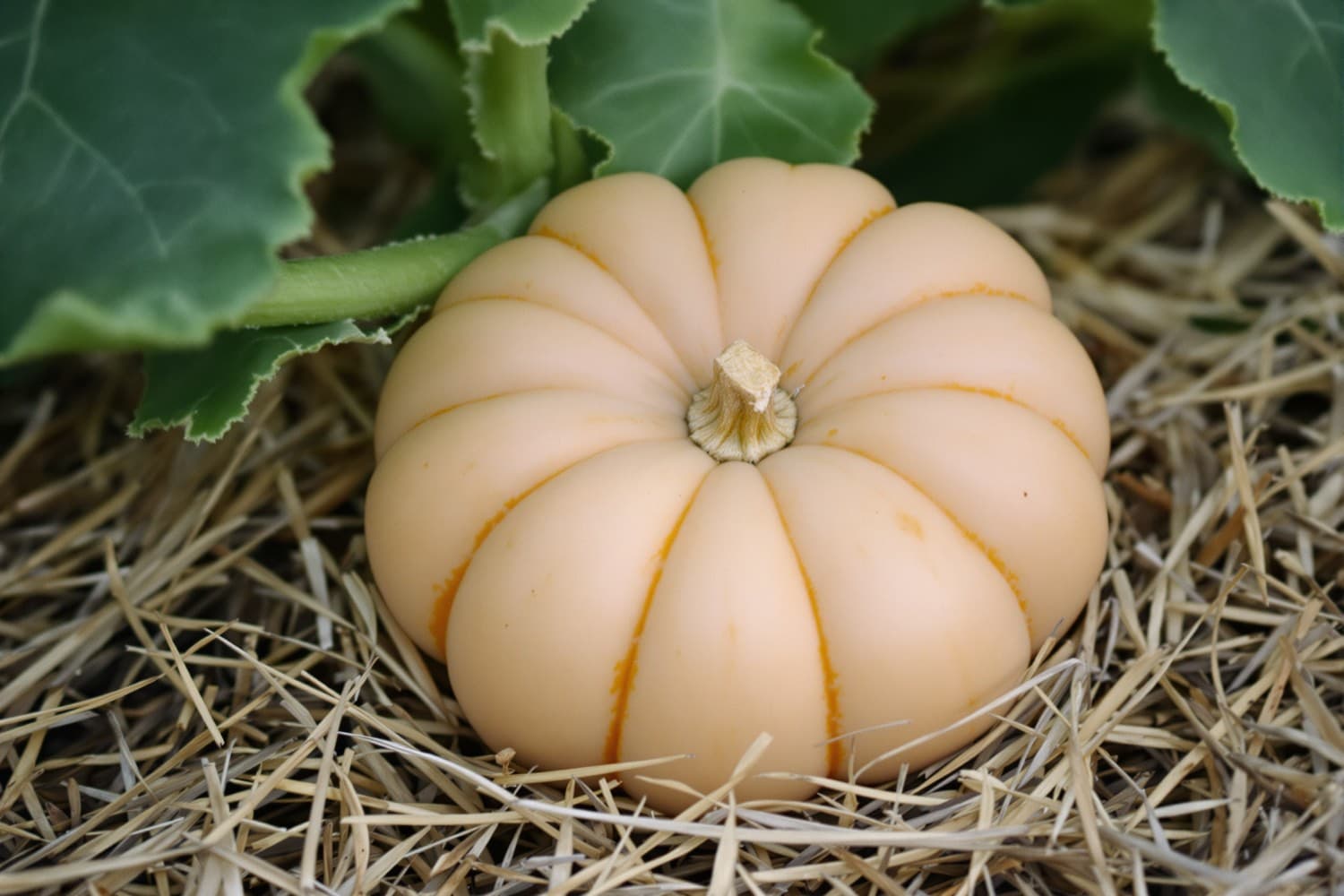
Winter squash · Type index
Winter squash varieties
Winter squash varieties here are type names on cited sheets — acorn, butternut, spaghetti, Hubbard, and the rest as those sheets list them. Growing lives on the squash hub. Timing and harvest are separate pages. This is not a ranking and not a recipe.
Growing guidance is general information. Timing, spacing, and care depend on cultivar, weather, soil, and local conditions. Check the sources and adjust the plan for your garden.
Illustrative photograph — types on this page are the cited names, not this photo.
When to plantCareWhen to harvestGrowing squashSquash bugsGarden pests
Acorn and butternut class notes are on the Minnesota and Maryland type cards below. Acorn days-to-maturity is on when to plant winter squash. Acorn skip-cure and storage-month notes are on when to harvest winter squash.
What the sheets name
What the sources say — at a glance
One source per card. Facts are not averaged.
UMN Extension (Minnesota)
Edible winter pepo: acorn, delicata, spaghetti. Moschata: butternut. Maxima: Hubbard, kabocha, buttercup. Some fruits for one serving; others 15 lb or more.
Details and limits (7)
Types
Edible winter squash in Cucurbita pepo on their sheet include acorn, delicata, and spaghetti types. Type note only — no cultivar ranking.
Types
Edible winter squash in C. moschata on their sheet include butternut types. Type note only — no cultivar ranking.
Types
Edible winter squash in C. maxima on their sheet include Hubbard, kabocha, and buttercup types. Type note only — no cultivar ranking.
Habit
Pumpkins and winter squash vines run, or grow along, the ground. Habit on their sheet — not a spacing prescription.
Size
UMN Extension (Minnesota): some fruits are sized for individual servings; others weigh 15 pounds or more. Size on their sheet — not a ranking.
Size
UMN Extension (Minnesota): small-fruited types named delicata or acorn, versus large-fruited types. Size class on their sheet — not a ranking and not a cultivation instruction.
Limit
Minnesota winter-squash sheet. Variety index only — not a growing guide. No days-to-maturity and no storage months on this page.
Maryland Extension (Maryland)
Pumpkin, acorn, butternut, and buttercup among types. Long vines. Mature-fruit class: seeds fully matured and skin hardened into a tough rind.
Details and limits (4)
Types
Pumpkin, acorn squash, butternut squash, and buttercup squash are among the types on their winter squash sheet. Type list — not a ranking.
Habit
Winter squash grows on long vines and comes in many varieties and colors. Habit on their sheet — not a spacing prescription.
Class
Maryland Extension (Maryland): winter squash is the mature-fruit class — seeds fully matured and skin hardened into a tough rind. Class identity versus summer squash — not a harvest instruction on this page.
Limit
Maryland winter-squash sheet. Variety index only — not a growing guide and not a harvest protocol.
Virginia Cooperative Extension 426-406 (Virginia)
Small-fruited 1–4 lb. Intermediate 6–12 lb. Large 15–40 lb. Jumbo 50–100+ lb. Spaghetti: large, oblong, yellow. Type identity, not food.
Details and limits (8)
Types
Small-fruited winter squash on their sheet include acorn types and butternut types (1 to 4 pounds). Type note — not a ranking.
Types
Intermediate-fruited winter squash on their sheet include banana squash, Cushaw, Hubbard, and Sweet Meat, listed at 6 to 12 pounds. Weight band on their sheet — not days-to-maturity.
Types
Large-fruited winter squash on their sheet include Blue Hubbard, Boston Marrow, and Jumbo Pink Banana, listed at 15 to 40 pounds. Weight band — not a ranking.
Types
Jumbo class on their sheet is listed at 50 to 100 pounds or more. Weight band — not a cultivar ranking.
Types
Spaghetti squash (also listed as vegetable spaghetti) has flesh that separates into spaghetti-like strands. Type identity on their sheet — not food guidance and not a ranking.
Types
Spaghetti squash (also vegetable spaghetti) has large, oblong fruits that turn yellow. Shape and rind color on their sheet — type identity only, not food and not a ranking.
Habit
Virginia Cooperative Extension 426-406 (Virginia): some of the small-fruited types have been bred for bush or semi-vining growth habits. Habit class on their sheet — not a spacing prescription.
Limit
Virginia 426-406 only. Classification, weight bands, shape, and rind color — not a ranking, not a recipe, and not days-to-maturity on this page.
Illinois Extension (Illinois)
Acorn, delicata, spaghetti = pepo. Butternut = moschata. True winter = maxima. Rind smooth or bumpy, thin or thick. Some types listed as pumpkins.
Details and limits (6)
Types
Illinois Extension (Illinois): acorn, delicata, and spaghetti listed as C. pepo. Butternut listed as C. moschata. True winter squash listed as C. maxima. Giant types are pointed at pumpkin. Type grouping — not a ranking.
Habit
Illinois Extension (Illinois): winter squash are vining types unless the sheet says otherwise. Bush and semi-vining types are named as types that can go in smaller gardens. Habit class — not a spacing prescription on this page.
Types
Illinois Extension (Illinois) selection list names acorn, buttercup, butternut, calabaza, delicata, Hubbard, spaghetti, sweet dumpling, and Turk’s Turban. Named types on that list — not a cultivar catalog, not food, and not carnival or honeynut.
Rind
Illinois Extension (Illinois): tough outer shells can be smooth or bumpy, thin or thick, and rock hard, with a wide array of colors. Family rind identity — not a per-type chart and not a ranking.
Names
Illinois Extension (Illinois): some of these types may be listed as pumpkins by seed companies; the distinction is mainly what you choose to call them. Naming overlap — not a ranking.
Limit
Illinois winter-squash page. Variety index only — not cultivation and not days-to-maturity on this page.
Clemson HGIC 1318 (South Carolina)
Buttercup = maxima; butternut = moschata. Jack-o’-lantern and acorn types = pepo. Giant types such as Big Max: not rounded jack-o’-lantern; 50 lb+ in the Piedmont.
Details and limits (3)
Types
Clemson HGIC 1318 (South Carolina): buttercup listed as Cucurbita maxima; butternut squash listed as Cucurbita moschata. Jack-o’-lantern and acorn squash types of pumpkin listed as Cucurbita pepo. Giant pumpkins such as Big Max listed as Cucurbita maxima. Grouping — not a cultivar ranking.
Shape
Clemson HGIC 1318 (South Carolina): giant pumpkins such as Big Max and Big Moon usually do not have the rounded jack-o’-lantern shape. Fruits can weigh up to 50 pounds or more in the Piedmont. Shape and weight on that sheet — exhibition/giant class, not an eating-type ranking.
Limit
South Carolina HGIC 1318. Type grouping, shape, and Piedmont weight only. Named carving and pie cultivars on that sheet are not collected here.
Sources differ
Make it yours
Save the bed in the Field Book so next season is not a guess.
Verified suppliers only
No supplier on this page
When a partner is listed, it will be outbound and disclosed. Nothing to buy here. Fertilizer, soils, and pesticides stay off this slot.
What are the different types of winter squash?
Compare the type lists after What the sheets name. UMN Extension (Minnesota) lists pepo (acorn, delicata, spaghetti), moschata (butternut), and maxima (Hubbard, kabocha, buttercup). Those are their groups — not a ranking.
How do I identify what type of squash I have?
This page is a type index, not plant identification from a photo. Compare fruit type names on the cited sheets. Contact local Extension if you want an identification.
How can I tell what kind of squash I have?
Same as the type table: match the fruit in front of you to names on the cited sheets. This page does not identify a plant from a growing photo.
What are considered winter squashes?
Maryland Extension (Maryland) names pumpkin, acorn, butternut, and buttercup among types. VCE 426-406 (Virginia) also lists spaghetti as a winter type whose flesh separates into strands — type identity, not food guidance.
What's the difference between summer and winter squash?
VCE 426-406 (Virginia): winter squash is allowed to mature on the vine and develop a hard rind to permit winter storage. That is their class line — not a harvest protocol on this page.
What winter squash keeps the longest?
This page does not rank types or promise a keeping time. Storage ranges live on the harvest page as cited numbers — not how long yours keeps.
Illustrative photograph — not a cited pairing.
How we know — methodology. Ranges and assertions are cited per source, not blended.