Guides
Hardware cloth
Hardware cloth here is named-source mesh and placement notes — not a product. How the mesh is named and where it is laid stay on the cited cards.
One source per card. Named-source examples — not a national mesh rule.
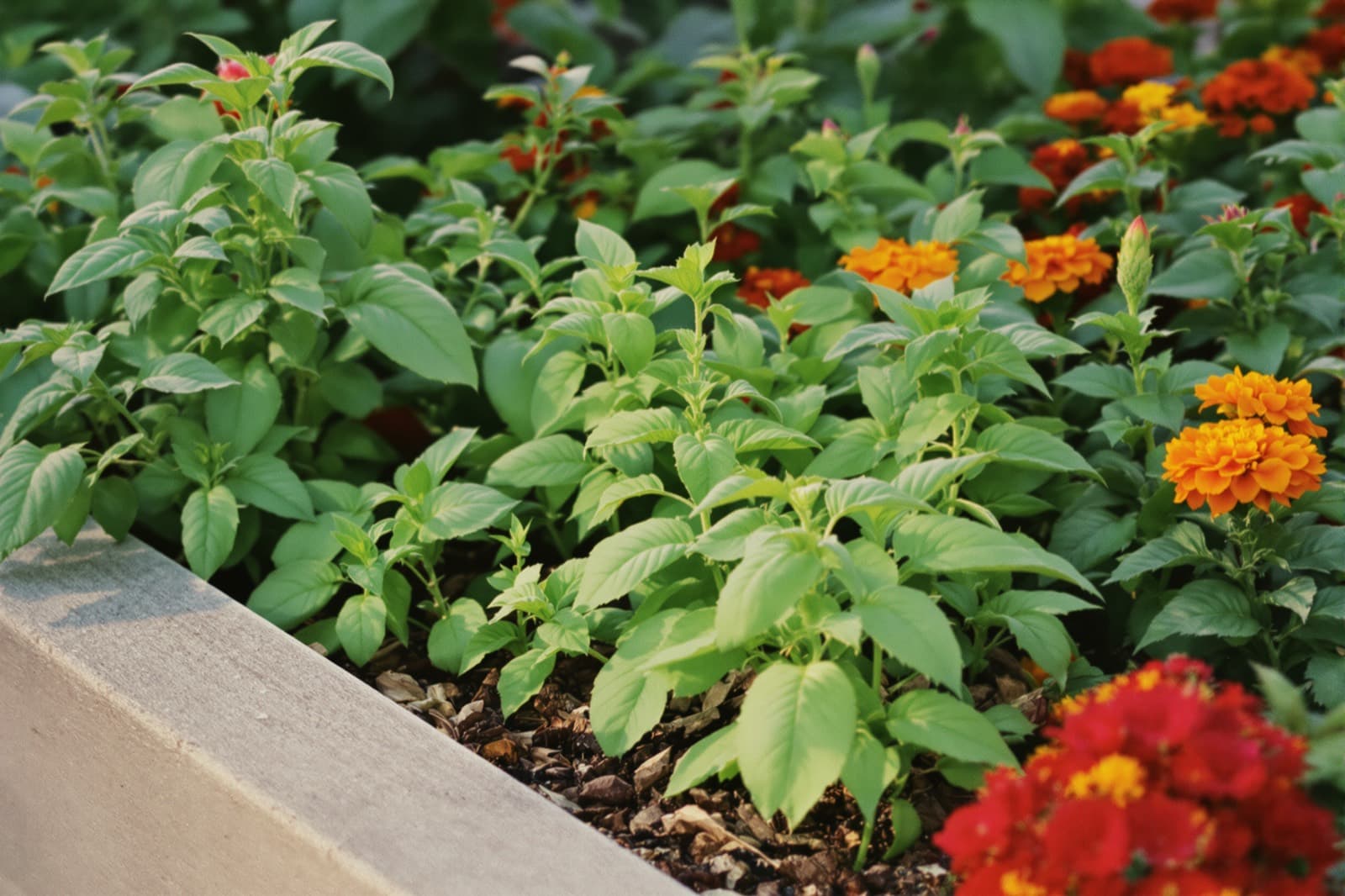
Illustrative photograph — not a cited bed.
What the sources say — at a glance
One source per card. Facts are not averaged.
UC IPM (California)
3/4-inch poultry wire under beds. ½- to ¾-inch mesh buried 2 feet plus 6 inches bent 90°. Galvanized or stainless.
Details and limits (8)
Method
UC IPM (California): lay hardware cloth or 3/4-inch-mesh poultry wire under raised beds before planting. Method.
Method
UC IPM (California): bury hardware cloth or ½- to ¾-inch mesh wire at least 2 feet deep with an additional 6 inches of mesh or wire bent at a 90-degree angle away from the planting. Method.
Placement
UC IPM (California): extend the fencing at least 1 foot aboveground. Use galvanized or stainless steel wire. Placement.
Limit
UC IPM (California): the wire can restrict and damage root growth of trees. Named-source material limit.
Placement
UC IPM (California): complete underground screening of the bed's sides and bottoms. When constructing raised vegetable or flower beds, underlay the soil with mesh wire. Placement.
Method
UC IPM (California): light-gauge, ¾-inch, non-galvanized steel wire; the wire will rust and disintegrate after several years. Method.
Limit
UC IPM (California): choose baskets large enough to allow for the roots to grow for several years. Limit.
Limit
California IPM sheet, named fragments only. Named-source mesh and placement — not a product.
Colorado State Extension (Colorado)
1/4-inch metal mesh beneath beds, stapled before soil. In-ground pit 1–2 feet. Two-foot fence of 1-inch mesh, bottom buried 6 inches.
Details and limits (5)
Placement
Colorado State Extension (Colorado): place hardware cloth (1/4" metal mesh) beneath beds. On a raised bed, the hardware cloth can be stapled to the bottom before adding soil. Placement.
Method
Colorado State Extension (Colorado): for in-ground beds, dig a pit 1-2' deep (1' for greens and 2' for root vegetables) and line the entire bottom with the hardware cloth before adding soil back in. Method.
Placement
Colorado State Extension (Colorado): a two foot tall fence of 1" mesh squares with the bottom buried 6" in the ground. Placement.
Placement
Colorado State Extension (Colorado): line the pit with 1⁄4" hardware cloth, then line again with 6 ml plastic. Placement.
Limit
Colorado 7.248 sheet, named fragments only. Named-source mesh and placement — not a product.
Maryland Extension (Maryland)
Fence bottom secured or buried a few inches. Cylinders of hardware cloth 18 inches high.
Details and limits (3)
Method
Maryland Extension (Maryland): the bottom of the fence must be secured to the ground or buried a few inches in the ground. Method.
Placement
Maryland Extension (Maryland): cylinders of hardware cloth 18 inches high. Placement.
Limit
Maryland sheet, named fragments only. Named-source mesh and placement — not a product.
Sources differ
Make it yours
Save the bed in the Field Book so next season is not a guess.
Verified suppliers only
No supplier on this page
When a partner is listed, it will be outbound and disclosed. Nothing to buy here. Fertilizer, soils, and pesticides stay off this slot.
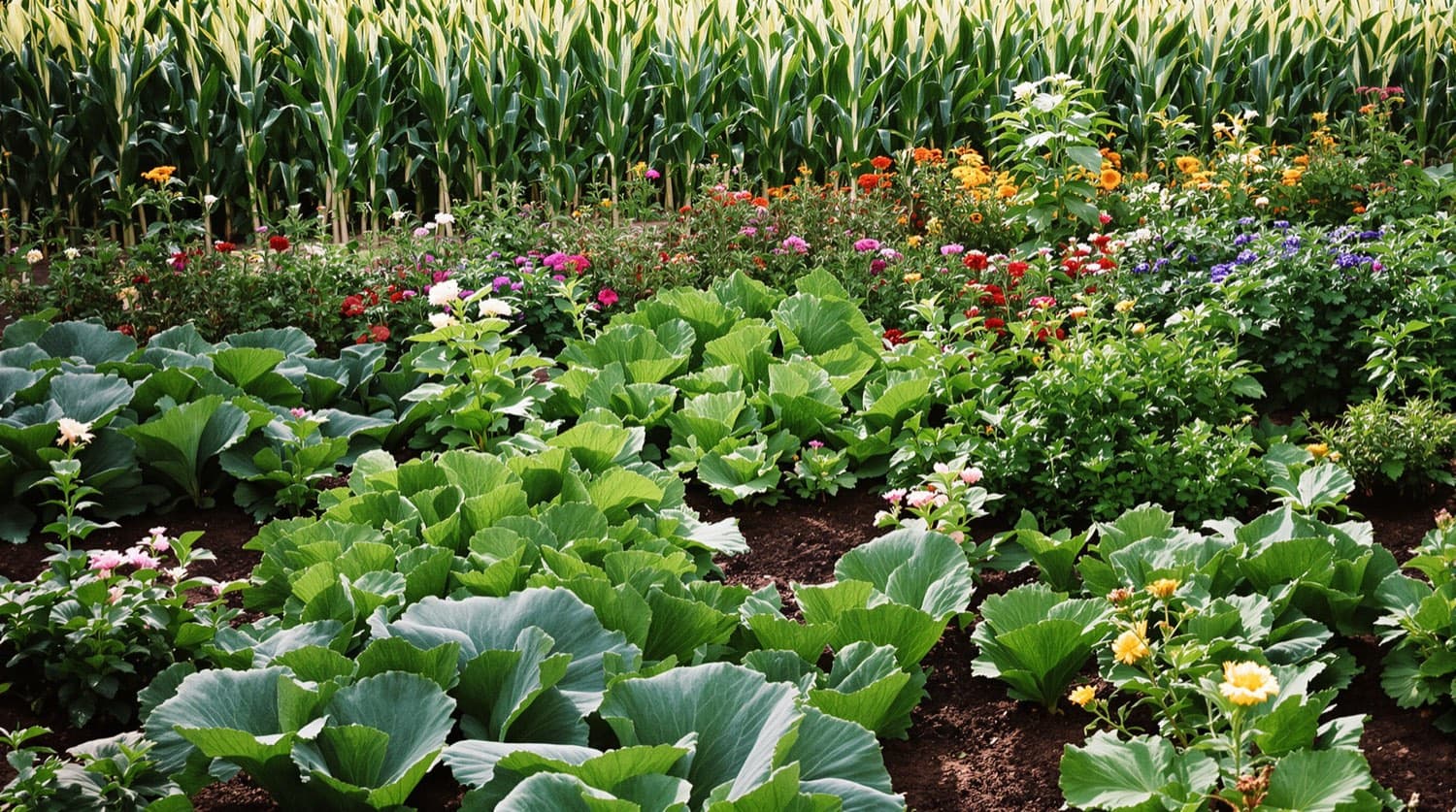
Illustrative photograph — not a cited bed.
Named-source fabric notes sit beside row covers. Bed size and fill sit on raised beds.
How we know — methodology. Ranges and assertions are cited per source, not blended.