Guides
Crop rotation chart
Crop rotation is a planning option: what occupied the bed last year should not silently repeat if you can help it. Compare named crops — tomato, pepper, potato, eggplant versus bean, lettuce, onion — using the rest intervals cited below. Not a spray plan.
Rotation suggestions are planning options based on the records and assumptions shown. They do not replace local crop, pest, or soil guidance.
If-then (planning options)
- If last year was tomato, pepper, or potato → consider bean, lettuce, or onion this year.
- If you have no history → start a history. Save the bed so next season is not a guess.
What the sources say — at a glance
One source per card. Facts are not averaged.
Clemson Extension (South Carolina)
Pick a well-drained bed that has not had tomato, pepper, eggplant, or potato for at least three seasons.
Details and limits (2)
Interval
They ask growers to pick a well-drained bed that has not had tomato, pepper, eggplant, or potato for at least three seasons.
Limit
South Carolina HGIC tomato sheet. Not a BioArva calendar.
Cornell (New York)
At least 2 years since those same crops. Source gap — not a BioArva chart.
Details and limits (2)
Interval
At least 2 years since those same crops.
Limit
New York tomato guide. Two years is not Clemson’s three seasons.
Iowa State Extension (Iowa)
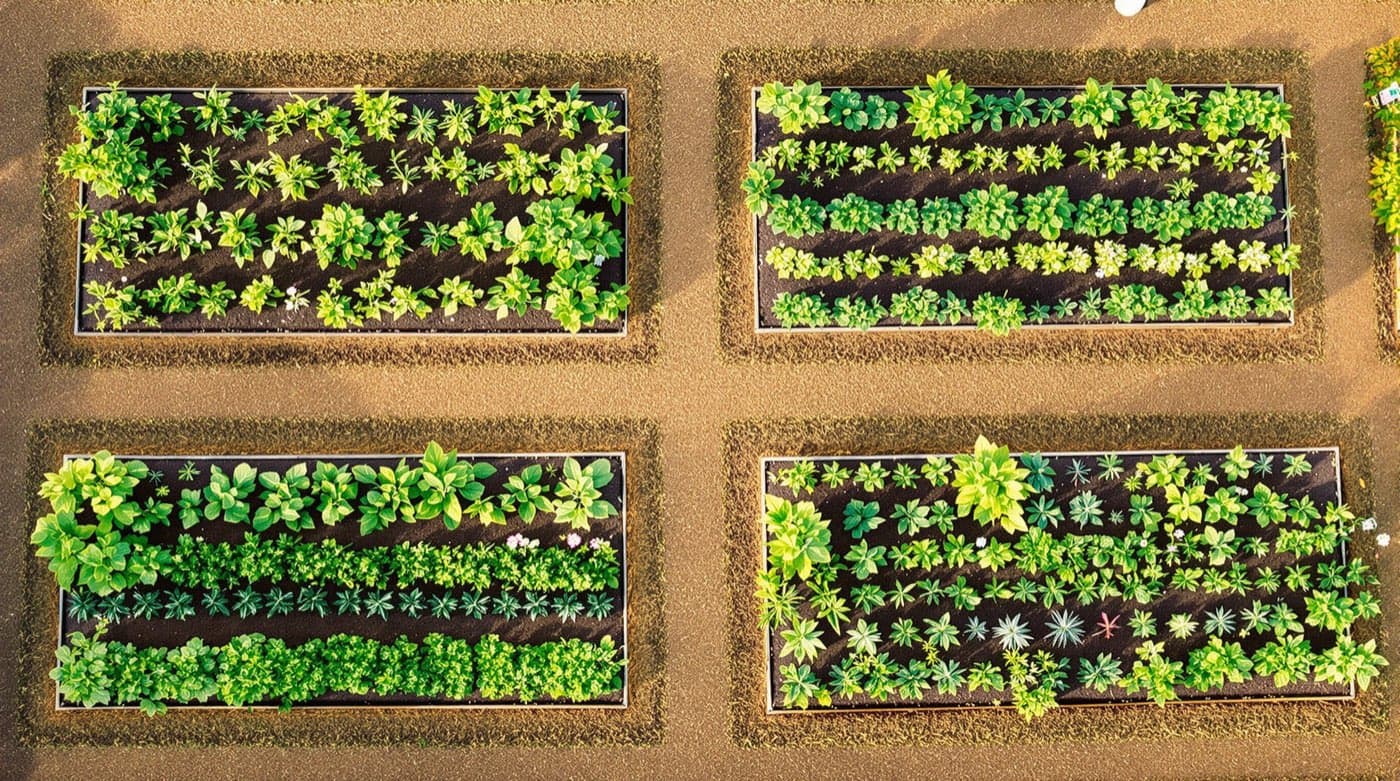
Nightshade family grouped. 3–4 years (or 5+ if possible) before repeating that grouping in one location. Four raised beds as one garden-scale example.
Details and limits (6)
Family
That rotation sheet groups eggplant, pepper, potato, tomato, tomatillo, ground cherry, and husk cherry under what it calls the nightshade family (Solanaceae).
Interval
On that same sheet they publish 3–4 years (or 5+ if possible) before repeating crops they place in that grouping in one location.
Planning
They describe four raised beds as one way to rotate plant families so the same botanical family is in the same bed once every four years. Garden-scale planning note — not a BioArva chart and not a pest-control promise.
Planning
They describe a single garden divided into zones; they say cultivating the whole plot at once can mix soil between zones. Planning note — not a diagnosis and not a yield claim.
Family
They say crops in the same botanical family are often susceptible to the same diseases and insects. Family-planning note — not a spray plan and not a named-disease list.
Limit
Iowa 2025 rotation sheet. Interval is not averaged with other sources.
UNH Extension (New Hampshire)
They place tomato in the nightshade family (Solanaceae). Family label on their sheet — not a rotation-year number.
Details and limits (2)
Family
They place tomato in the nightshade family (Solanaceae). Family label on their sheet — not a rotation-year number.
Limit
New Hampshire tomato sheet. Not a rest-interval number.
Clemson Extension (South Carolina)
Tomatoes and related vegetables such as potatoes, peppers, and eggplants should not be planted on the same land more than once in three years.
Details and limits (2)
Interval
Tomatoes and related vegetables such as potatoes, peppers, and eggplants should not be planted on the same land more than once in three years. Source gap — not a BioArva chart.
Limit
Clemson disorders URL. Different sheet from the HGIC tomato URL.
Sources differ
Make it yours
Save the bed in the Field Book so next season is not a guess.
Verified suppliers only
No supplier on this page
When a partner is listed, it will be outbound and disclosed. Nothing to buy here. Fertilizer, soils, and pesticides stay off this slot.
Is there one best crop rotation schedule?
No. Cited rest intervals differ by publication and geography. Use those named-crop gaps as planning options, not a BioArva calendar.
How we know — methodology. Ranges and assertions are cited per source, not blended.