
Guides
No-till
No-till here is named-source identification and method notes — not a national formula. How a cover crop is left on the surface, mown, flattened, or crimped stays on the cited cards.
One source per card. Named-source examples — not a national no-till rule.
Illustrative photograph — not a cited bed.
What the sources say — at a glance
One source per card. Facts are not averaged.
Clemson HGIC cover crops (South Carolina)
Left on the surface as mulch. Mow or crimp before planting.
Details and limits (3)
Types
Clemson HGIC (South Carolina): the cover crop can either be left on the soil surface to decompose as a mulch (known as “no-till”), or it can be tilled into the soil where it will decompose below the soil surface.
Method
Clemson HGIC (South Carolina): if the no-till option is used, the cover crop will need to be mowed or crimped down prior to planting of the vegetable crop. Method.
Limit
South Carolina cover-crops sheet. No-till clause only.
Maryland Extension (Maryland)
Mown or flattened. Crimper without disturbing the soil.
Details and limits (3)
Method
Maryland Extension (Maryland): cover crops are mown or flattened before going to seed, usually in late April or early May. Method.
Method
Maryland Extension (Maryland): a crimper, used to flatten tall crops without disturbing the soil. Method.
Limit
Maryland cover-crops-gardens sheet. Mown or flattened only.
Sources differ
Make it yours
Save the bed in the Field Book so next season is not a guess.
Verified suppliers only
No supplier on this page
When a partner is listed, it will be outbound and disclosed. Nothing to buy here. Fertilizer, soils, and pesticides stay off this slot.
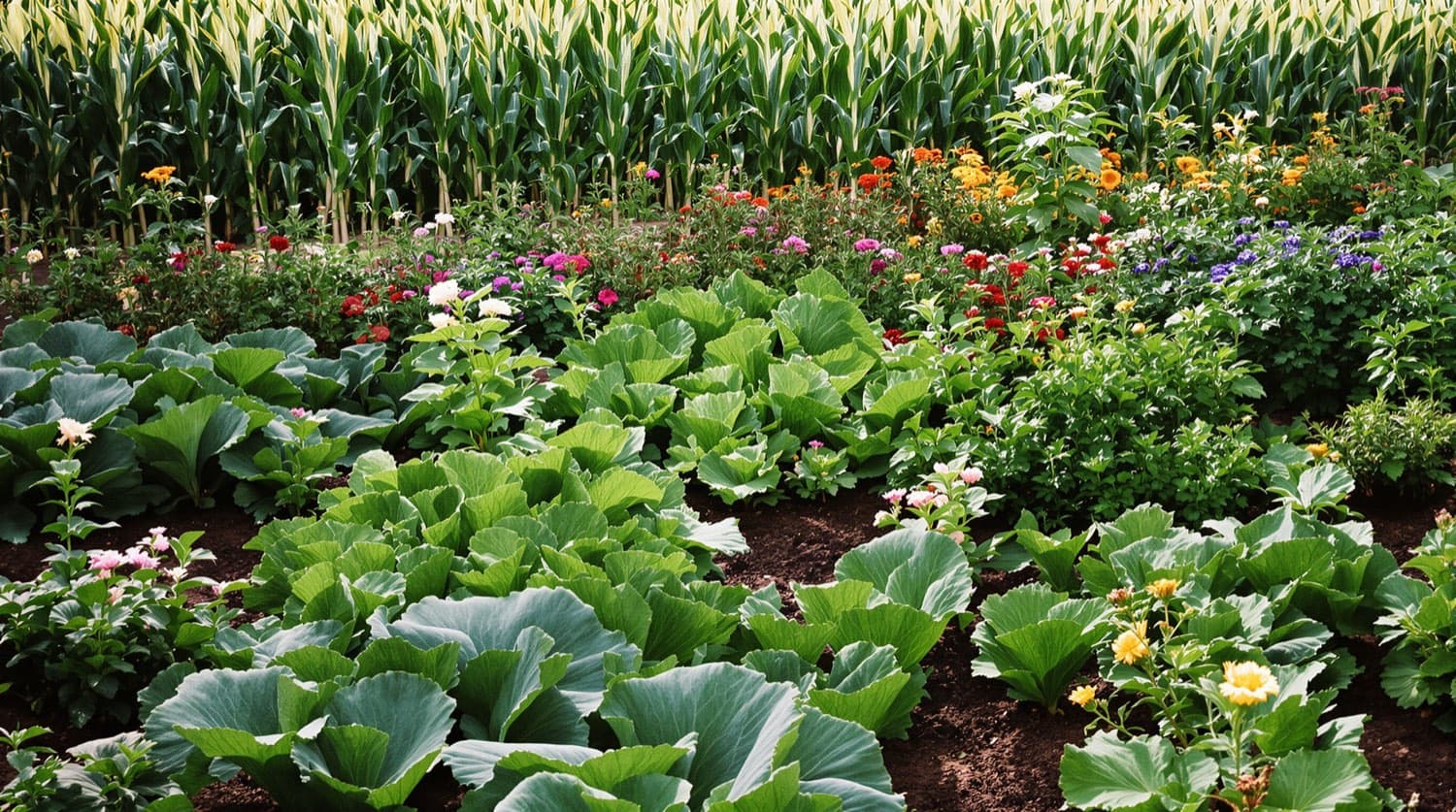
Illustrative photograph — not a cited bed.
Named-source mulch notes also sit beside mulching basics.
How we know — methodology. Ranges and assertions are cited per source, not blended.