Guides
Raised beds
Raised beds here are named-source site, size, material, and fill notes — not a universal formula. Dimensions and mixes stay on the cited sheets. This page does not promise yield, frost protection, or a fertilizer plan.
One source per card. Named-source examples — not a national build sheet.
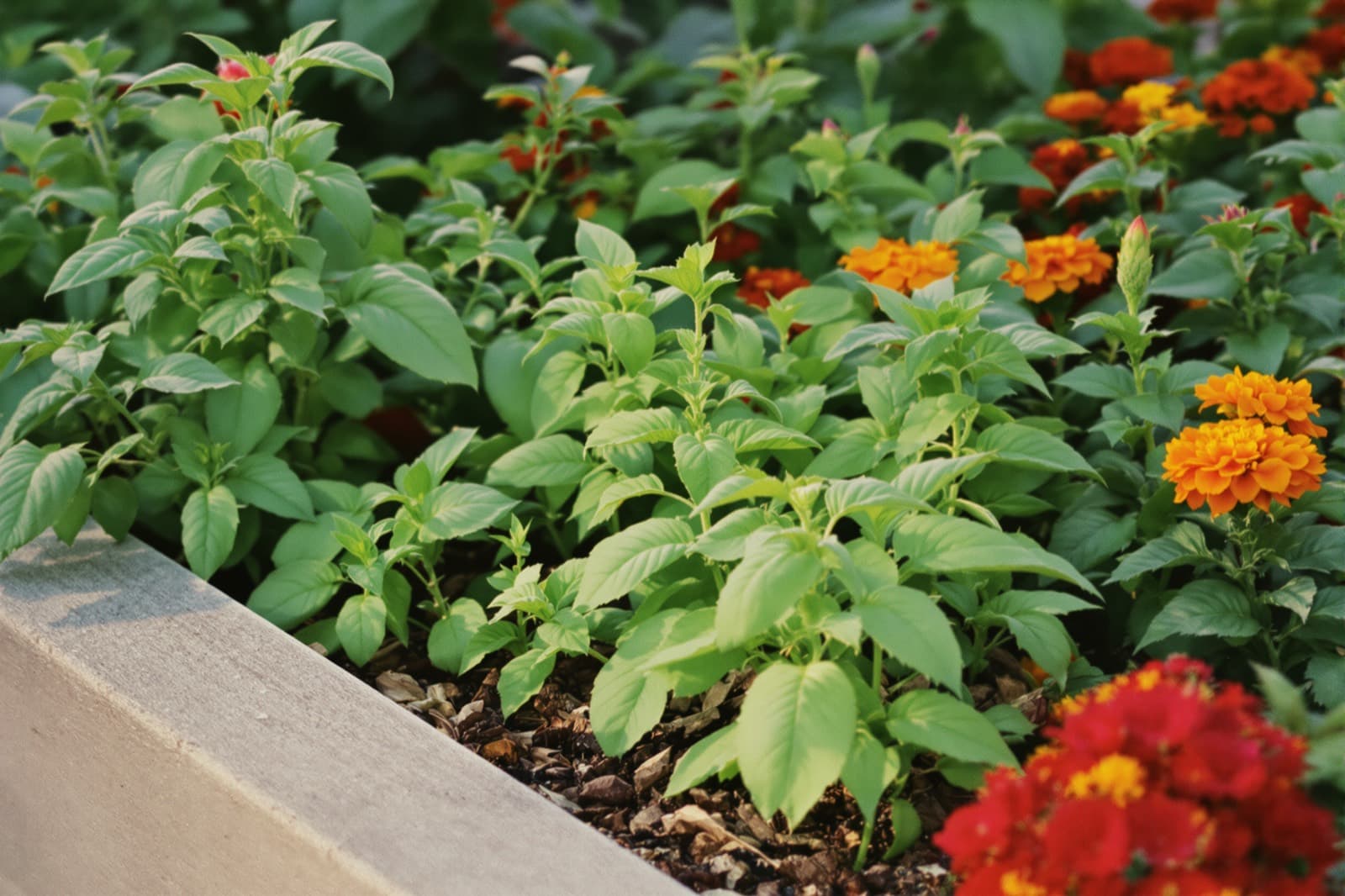
Illustrative photograph — not a cited bed.
What the sources say — at a glance
One source per card. Facts are not averaged.
Clemson HGIC 1257 (South Carolina)
Site, 3–4 ft width, mounded 4–8 in, rot-resistant materials, compost 10–20% of fill.
Details and limits (5)
Site
Clemson HGIC 1257 (South Carolina): raised beds are an option where in-ground gardens are not suitable. Sites with steep slopes, poor drainage, and those with rocky, shallow, or low soil quality are named for raised beds. Place beds on a well-drained site that receives a minimum of six hours of direct sunlight per day, preferably near a water source. South Carolina siting — not a ZIP tool.
Timing
Clemson HGIC 1257 (South Carolina): raised beds tend to warm up faster in the spring. Named soil-warming on that sheet — not a frost guarantee and not a calendar.
Dimension
Clemson HGIC 1257 (South Carolina): beds can be as long as desired, and should only be as wide as can be easily worked from either side to the middle (3 to 4 feet wide). Narrow beds about 3 to 4 feet wide allow the gardener to reach the center without stepping into the bed. Never walk on beds once constructed. Unlined mounded beds 4 to 8 inches high, sides at a 45-degree angle, top flat.
Material
Clemson HGIC 1257 (South Carolina): materials include rocks, concrete blocks, landscape timbers, or similar rot-resistant material. For enclosed beds, use insect-and decay-resistant wood such as cypress, redwood, or cedar. Compost added in a range of 10–20% of the total volume of medium in the bed.
Limit
South Carolina HGIC 1257. Named-source examples — not a universal formula.
Maryland Extension (Maryland)
2–4 ft across, 2–12 in tall. Warms and drains; dries faster in heat.
Details and limits (2)
Dimension
Maryland Extension (Maryland): raised beds are improved areas of soil elevated above ground level and often surrounded with boards or other rigid materials. They are usually 2 to 4 feet across, 2 to 12 inches tall, and as long as desired. Maryland dimensions — not a national formula.
Limit
Maryland Extension (Maryland): soil warms up more quickly in spring than ground-level soil. The soil drains well. Faster soil drying requires more monitoring and irrigation, especially when the weather is hot and dry. Physical notes on that sheet — not a frost guarantee and not an outcome promise.
Maryland Extension (Maryland)
Compost and soil 1:2 or 1:1. Soil test. Lead test if food.
Details and limits (2)
Fill
Maryland Extension (Maryland): fill with a mixture of compost and garden soil or purchased topsoil in a 1:2 or 1:1 ratio. Have existing garden soil tested, including for lead if you plan to grow food. Maryland fill mix — not a fertilizer plan.
Limit
Maryland building-raised-beds sheet. Fill mix — not a fertilizer plan.
UMN Extension (Minnesota)
Topsoil and plant-based compost. Wood, metal, brick, block, plastic, or fabric. 6–8 hours sun.
Details and limits (3)
Fill
UMN Extension (Minnesota): the soil mixture is around 2/3 to 1/2 topsoil and 1/2 to 1/3 plant-based compost. If the topsoil contains a lot of clay, you may also add some sand. Minnesota fill mix — not a fertilizer plan.
Site
UMN Extension (Minnesota): raised beds can be made from wood, metal, or other materials like bricks, cinder blocks, plastic, or fabric. For plants like tomatoes, peppers, and eggplants that require full sun, locate the bed where it receives at least 6 to 8 hours of sunlight each day. Minnesota siting — not a ZIP tool.
Limit
Minnesota raised-bed sheet. Named-source examples — not a universal formula.
Illinois Extension (Illinois)
6–12 in tall; 24 in wheelchair. 1:1 compost and soil.
Details and limits (2)
Dimension
Illinois Extension (Illinois): raised beds are commonly built 6 to 12 inches tall and can be built taller. If constructing a raised bed with wheelchair access, they should be 24 inches tall. Fill with a 1:1 mixture of compost and garden or topsoil. Illinois dimensions and fill — not a national formula and not a fertilizer plan.
Limit
Illinois raised-bed note. Named-source examples — not a universal formula.
Sources differ
Make it yours
Save the bed in the Field Book so next season is not a guess.
Verified suppliers only
No supplier on this page
When a partner is listed, it will be outbound and disclosed. Nothing to buy here. Fertilizer, soils, and pesticides stay off this slot.
Illustrative photograph — not a cited bed.
Layout planning also sits beside crop rotation.
How we know — methodology. Ranges and assertions are cited per source, not blended.