Guides
Companion planting
Companion planting here is source-bound layout and named pairings, not a universal chart. Extension sheets describe interplanting for space, light, and timing; a documented three-sisters model; and limited trap-crop or pollinator context. This page does not rank plants, promise pest control, yield, or flavor, or tell you what is “best” or “safe.”
One source per card. Not a printable companion chart and not a spray plan. Crop-named companion lists belong on future crop pages, not here.
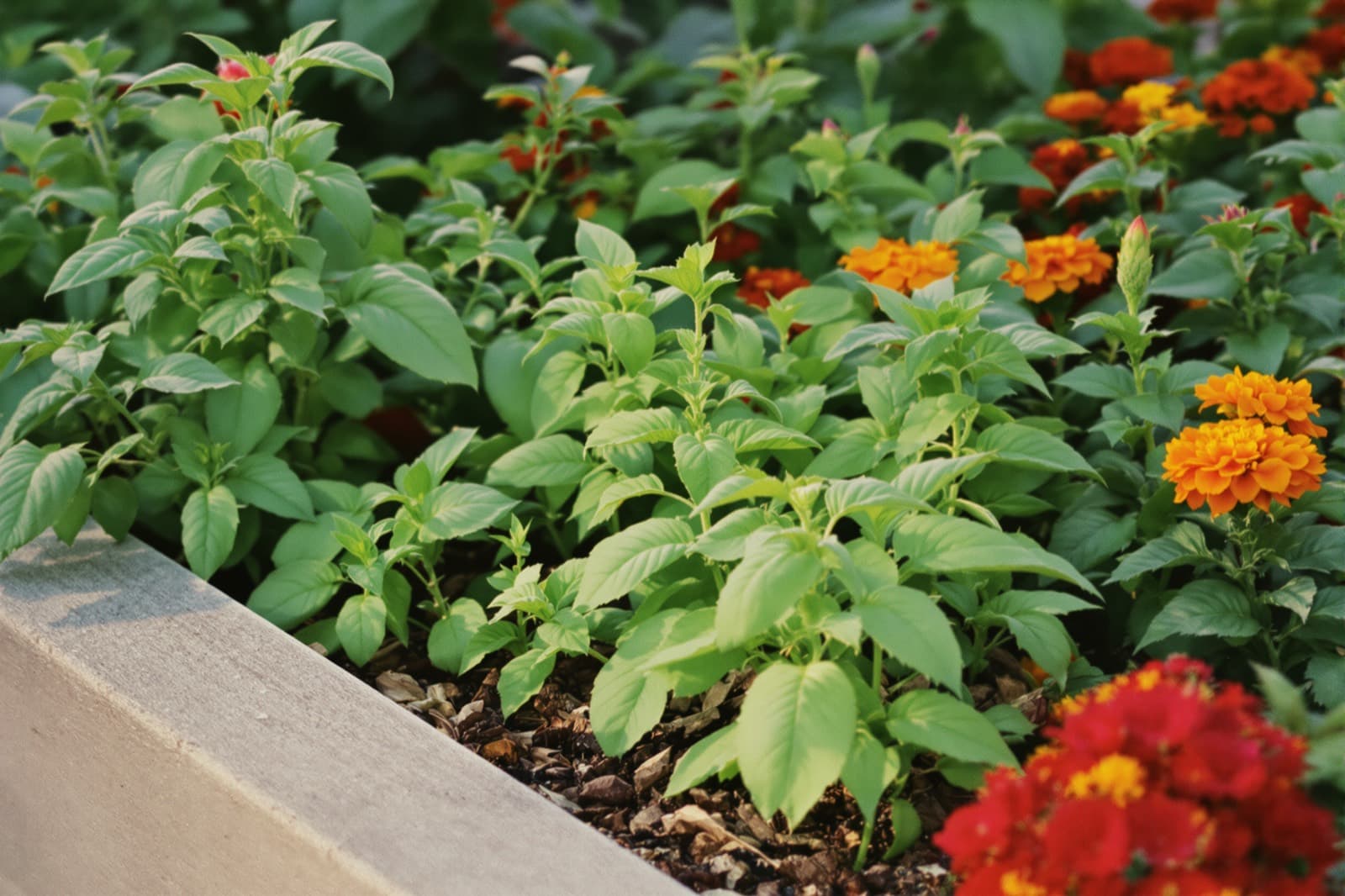
Illustrative photograph — not a cited pairing.
What the sources say — at a glance
One source per card. Facts are not averaged.
UMN Extension (Minnesota)
Layout succession and named spatial pairings. Three Sisters as a documented model. Trap-crop and chart-limit notes stay source-bound — not a BioArva ranking.
Details and limits (10)
Layout
This source describes planting lettuce, spinach, or basil early, then transplanting peppers or tomatoes into the same bed as that early crop matures. Spatial succession on their sheet — not a pest-control pairing and not a BioArva calendar.
Layout
This source names planting radishes and carrots side by side as a space-saving example. Named spatial pairing — not a pest-control or flavor claim.
Three Sisters
On the three sisters model, this source reports corn provides a stalk for beans to climb. Named support pairing — not a pest-control or yield claim.
Three Sisters
On the three sisters model, this source reports beans in a nitrogen-fixation context. Nitrogen-fixation context on their sheet only — not a standalone BioArva “beans provide nitrogen” fact, not a fertilizer product, and not a yield promise.
Trap-crop
This source reports some of the spicier Brassica crops can serve as a trap crop for flea beetles, naming arugula, mustard, rapeseed, and napa cabbage. Source-specific trap-crop context — not a treatment, not a control promise, and not a BioArva recommendation.
Trap-crop
This source reports planting blue hubbard squash as a trap-crop context that can help pull cucumber beetles away from other cucurbits. Source-specific trap-crop context — not a treatment, not a control promise, and not a BioArva recommendation.
Limit
This source says gardening charts online will provide long lists of plants that repel insects, and that these are not always accurate or backed by research. Source-attributed limit — not a BioArva claim that companion planting does not work.
Limit
This source asks whether marigolds work to ward off insects and answers “Sometimes yes and sometimes no.” Scoped to that marigolds-for-insects question on this sheet — not all marigold uses.
Limit
This source says companion plants to repel flea beetles such as marigolds and green onions are listed on gardening sites and even some Extension websites, but there is little research to support this and some contradict it. Source-attributed limit for that listed purpose.
Limit
This source says many gardening articles mention marigolds as a deterrent for Colorado potato beetles, but multiple studies have shown this to be untrue. Source-attributed conclusion for that pairing and pest — not a claim about all marigold uses.
Maryland Extension (Maryland)
Named spatial pairings: cabbage with lettuce; peas at tomato cages; greens north of taller crops. Three Sisters support, nitrogen-fixation context, and squash-as-mulch — not a ranking.
Details and limits (9)
Layout
This source describes spring cabbage interplanted with leaf lettuce to use available soil and sunlight, with lettuce seeded a week after cabbage transplants. Named spatial pairing — not a pest-control claim.
Layout
This source describes peas at the base of tomato cages on the north side in early spring; when tomatoes go in later, the filled-in pea vines act as a wind shield. Named spatial pairing — not pest-control or flavor.
Layout
This source describes planting low-growing, shade-tolerant salad greens on the north side of corn, tomatoes, or eggplants. Spatial shade arrangement — not a companion ranking.
Layout
This source describes sowing long-season carrot and short-season radish at the same time, then harvesting the radishes before they begin to crowd the carrots. Named spatial succession — not a pest-control claim.
Three Sisters
On the three sisters intercropping example, this source reports bean plants used the corn for support. Named support pairing — not a soil-improvement claim and not a BioArva universal pairing rule.
Three Sisters
On the three sisters intercropping example, this source reports nitrogen-fixation context for the bean plants. Nitrogen-fixation context only — not “improved the soil,” not a fertilizer product, and not a BioArva universal pairing rule.
Three Sisters
On the three sisters example, this source reports squash plants suppressed weeds and conserved moisture like a mulch. Spatial/mulch context — not an insect-control or yield claim.
Pollinator
This source names mountain mint (Pycnanthemum), anise hyssop (Agastache), buckwheat, and herbs allowed to flower (cilantro, basil, and dill) as popular with pollinators when planted near vegetables. Pollinator planting on their sheet — this row does not establish a pest-control outcome.
Limit
Maryland companion sheet. Named pairings are not a universal chart.
Illinois Extension (Illinois)
Much of the recommended companions that we see are not always tested out in a research study and may be more anecdotal. Source-attributed limit — not a BioArva claim that companion planting does not work.
Details and limits (2)
Limit
This source says much of the recommended companions that we see are not always tested out in a research study and may be more anecdotal. Source-attributed limit — not a BioArva claim that companion planting does not work.
Limit
Illinois companion sheet only.
Penn State Extension (Pennsylvania)
Solanaceous vegetables among the least tolerant of juglone. Squash family, beans, and onions listed as less sensitive. Siting — not a together-chart.
Details and limits (5)
Siting
Vegetables in the solanaceous group, including tomatoes, peppers, and potatoes, are some of the least tolerant of juglone. Named plant/mechanism/context — not a companion chart.
Siting
Plants this source lists as less sensitive or not affected by juglone include the squash family, beans, and onions. Named tolerance context — not a BioArva “plant these together” chart.
Siting
This source says not to plant sensitive plants directly under allelopathic trees or shrubs; move plants past the root zone (50 to 60 feet away for a mature black walnut).
Siting
This source says not to plan on using black walnut fruit and leaves as mulch.
Limit
Penn State allelopathy sheet. Not a companion pairing chart.
Make it yours
Save the bed in the Field Book so next season is not a guess.
Verified suppliers only
No supplier on this page
When a partner is listed, it will be outbound and disclosed. Nothing to buy here. Fertilizer, soils, and pesticides stay off this slot.
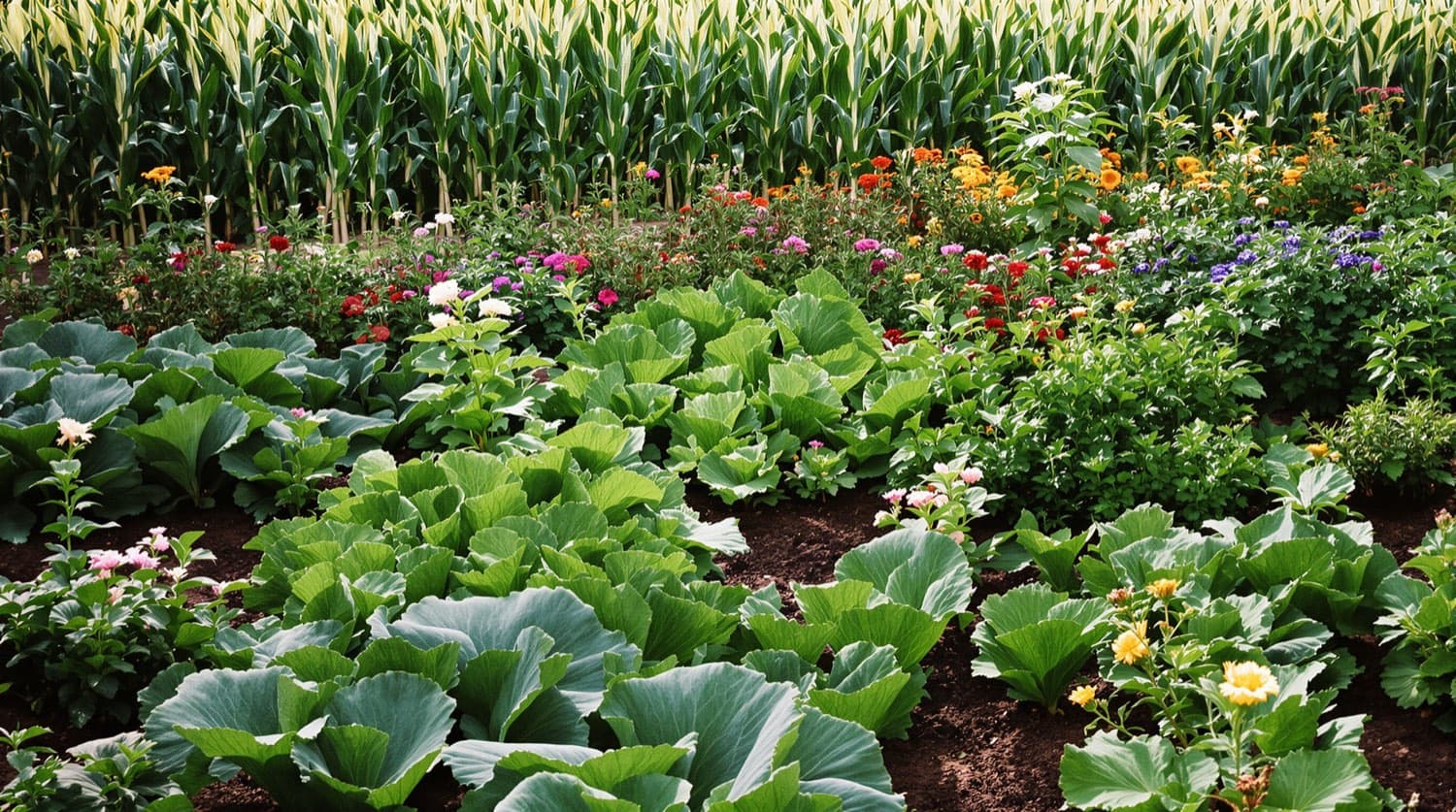
Illustrative photograph — not a cited pairing.
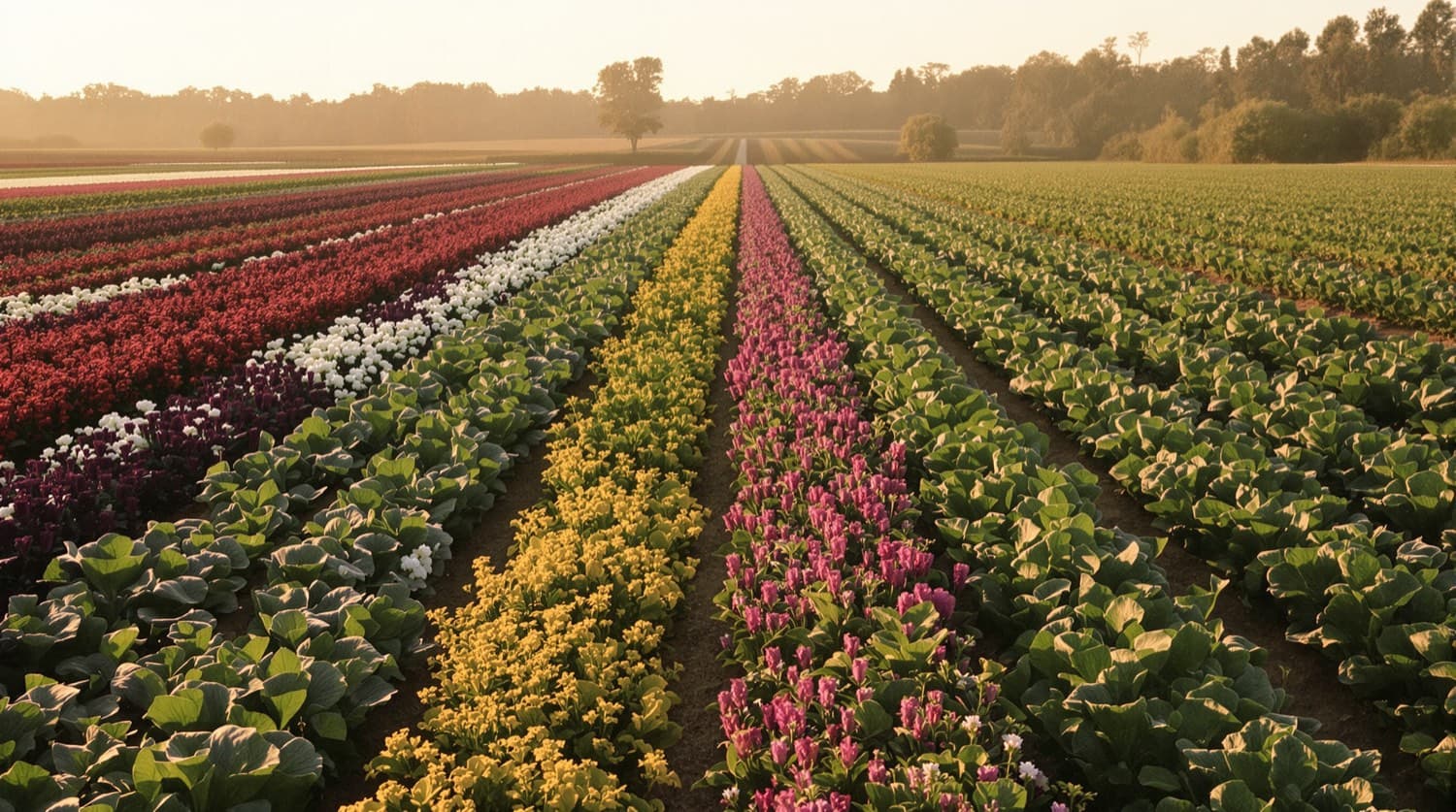
Illustrative photograph — not a cited pairing.
Per-crop companion pages are not this guide
Tomato, basil, marigold, and other crop-named companion lists are a different search set. They stay reserved for future /crops/{crop}/companions pages. This guide does not own those pairings. Layout planning also sits beside crop rotation; that page’s FAQ is not copied here.
What plants should be planted next to each other?
This guide does not publish a universal together-list. Cited layout contexts above are source-bound: radish with carrot for space; cabbage with lettuce for soil and sunlight; peas at tomato cages as a wind shield; greens north of taller crops. Three Sisters support and mulch rows are a documented model, source-separated — not a BioArva pairing rule.
What vegetables are safe to plant next to each other?
This page does not call any pairing “safe.” Use the cited layout and Three Sisters contexts as planning options from those sheets. Crop-specific questions are reserved for future crop companion pages.
What companion plants go together?
“Go together” on this page means the named layout and Three Sisters contexts with a visible Source field. It is not a chart of plants that go together in every garden.
What plants like to be beside each other?
No ranking of what plants “like.” The cited contexts are spatial succession, shade, wind shield, and the source-separated Three Sisters model.
How should I arrange my vegetables in my garden?
Arrangement on this page is the layout block: same-bed succession, north-side greens, carrot/radish timing, and peas at tomato cages — each tied to one Extension sheet. Not a printable layout PDF.
What do you not plant next to each other?
This guide does not publish a universal “do not plant together” list. Its cited separation context is black-walnut/juglone siting. Crop-specific questions stay reserved for future crop pages.
What vegetables should you not plant beside each other?
This guide does not publish a universal “do not plant together” list. Its cited separation context is black-walnut/juglone siting. Crop-specific questions stay reserved for future crop pages.
How we know — methodology. Ranges and assertions are cited per source, not blended.