Crop guide
Growing green beans
Growing green beans means sowing after frost risk has passed, matching cited bush or pole spacing, and picking pods before seeds swell. There is no single national planting date.
Growing guidance is general information. Timing, spacing, and care depend on cultivar, weather, soil, and local conditions. Check the sources and adjust the plan for your garden.
Steps (range, not a promise)
- 01Sow after all danger of frost at your site.
- 02Plant one inch deep. Do not soak seed first — that is a cited handling note, not a guarantee.
- 03Use bush or pole spacing from a cited source. They are not the same row.
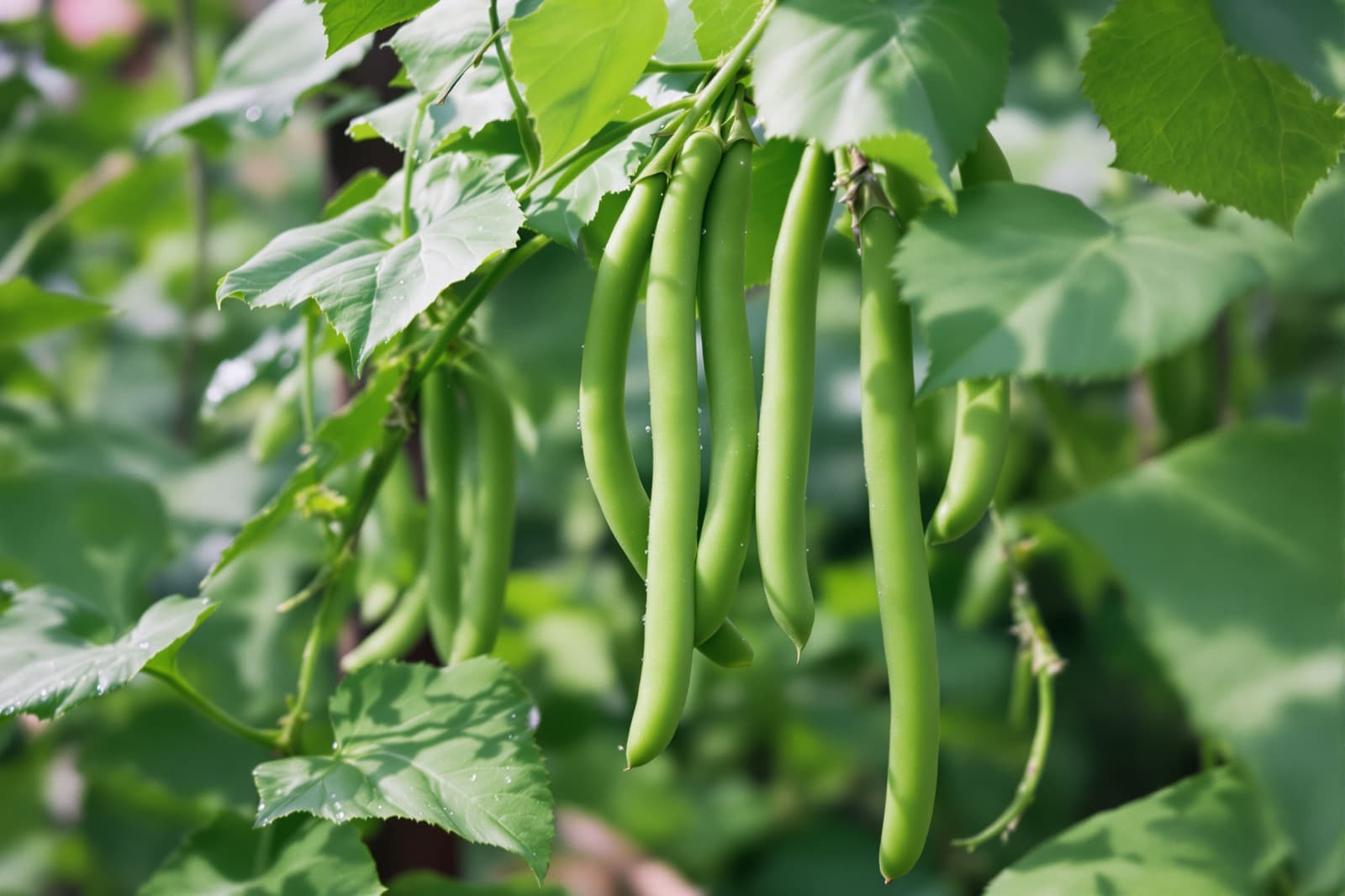
- 04Harvest when pods are firm and elongated, before seeds develop significantly.
- 05Log the bed so next season is not a guess.
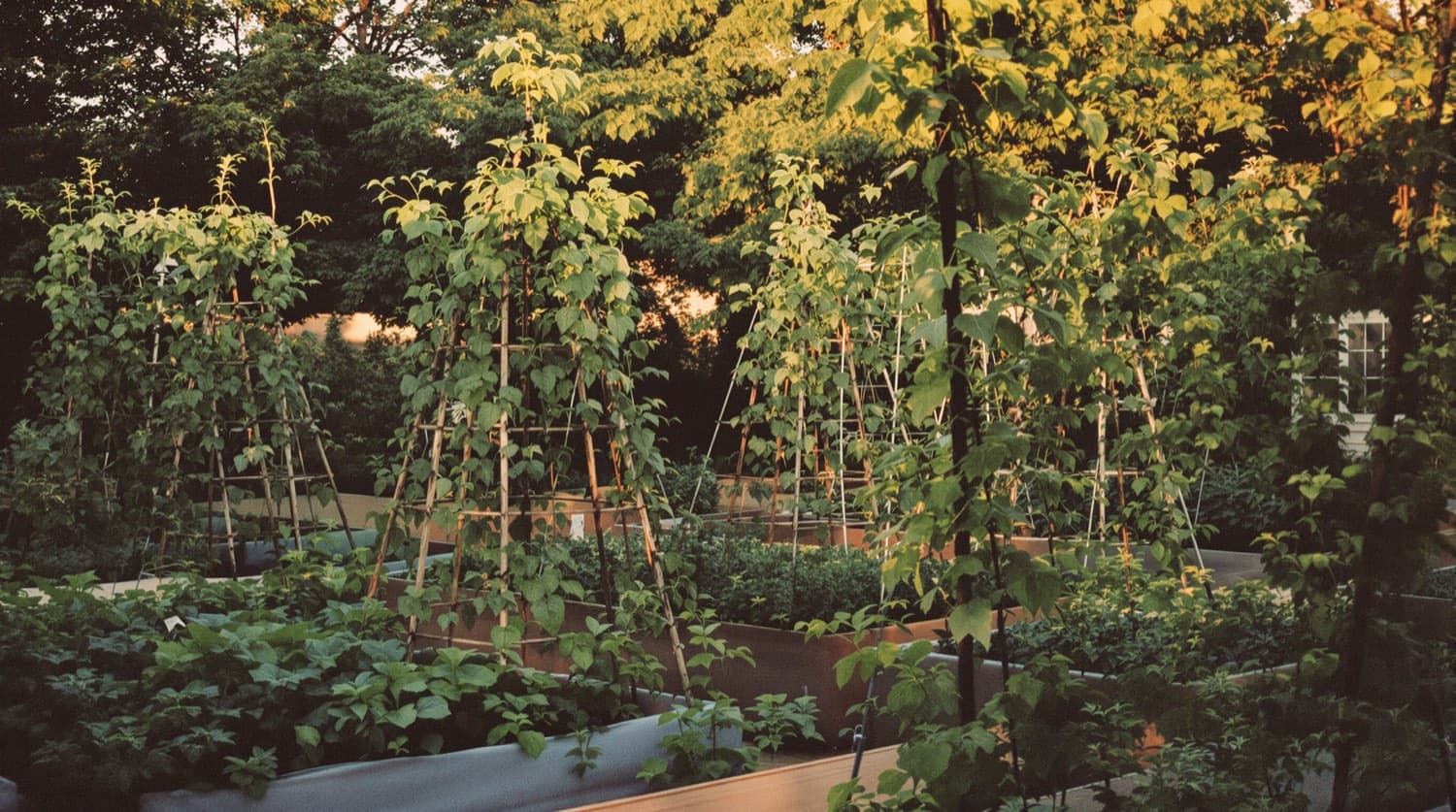
Bush and pole beans occupy different row spacing on cited sheets.
The season, on your ground
Save this bed — freeWhen to plantCareWhen to harvestPestsGarden pests
Bush class notes are on the Illinois habit and spacing cards below. Bush succession is on when to plant beans. Bush versus pole support is on bean plant care.
What the sources say — at a glance
One source per card. Facts are not averaged.
Illinois Extension (Illinois)
Plant after frost; seeds 1 inch deep; never soak. Bush 2–4 inches in-row, rows 18–24 inches; pole 4–6 inches, rows 30–36 inches.
Details and limits (11)
Timing
Beans are sensitive to cold temperatures and frost; they should be planted after all danger of frost has passed in the spring. Timing on their sheet — not a national plant date.
Depth
Plant seeds of all varieties one inch deep. Depth on their sheet — not a BioArva instruction set.
Seed
Seeds of most varieties tend to crack and germinate poorly if the soil moisture content is too high; they say never soak bean seeds before planting. Seed-handling note on their sheet — not a BioArva germination guarantee.
Spacing
Plant seeds of bush beans 2 to 4 inches apart in rows at least 18 to 24 inches apart. Spacing on their sheet — not a BioArva average.
Spacing
Plant seeds of pole beans 4 to 6 inches apart in rows 30 to 36 inches apart; or in hills (four to six seeds per hill) 30 inches apart, with 30 inches between rows. Spacing on their sheet — not a BioArva trellis SKU.
Harvest
Harvest when the pods are firm, crisp and fully elongated, but before the seed within the pod has developed significantly. Harvest stage on their sheet — not a yield promise.
Harvest
Pick beans after the dew is off the plants, and they are thoroughly dry. Harvest-handling note on their sheet — not a disease diagnosis.
Habit
Bush beans stand upright without support; pole beans are vining plants and climb supports. Habit on their sheet — not a ranking and not a trellis SKU.
Succession
Their sheet lists planting every 2 to 4 weeks until early August. Succession interval on their sheet — not a BioArva calendar and not a yield promise.
Timing
If the soil has warmed before the average last-frost date, an early planting may be made a week to 10 days before this date. Timing on their sheet — not a national plant date.
Limit
Illinois snap-bean sheet only. Depth and spacing are not averaged with Maryland.
Maryland Extension (Maryland)
Seed after frost. Bush 2–4 by 24–30 inches; pole 4–8 by 24–36. Cover seed 1/4 to 1/2 inch.
Details and limits (10)
Timing
Seed after danger of frost is past. Frost will damage plant tissue. Timing/hardiness on their sheet — not a national plant date.
Sun
Full sun requires at least 6 hours direct light per day; their sheet also lists 8–10 hours per day. Light note on their sheet — not a ranking of sites.
Spacing
Bush snap beans 2–4 inches in-row by 24–30 inches between rows. Spacing on their sheet — not a BioArva average.
Spacing
Pole beans 4–8 inches in-row by 24–36 inches between rows. Spacing on their sheet — not a BioArva trellis SKU.
Depth
Cover seed with 1/4 to 1/2 inch of soil or compost. Depth on their sheet — not a BioArva instruction set.
Succession
Their sheet lists planting snap beans every 2 to 3 weeks from the frost-free date through mid-to-late July. Succession interval on their sheet — not a BioArva calendar and not a yield promise.
Maturity
From direct garden sowing, their sheet lists snap beans 50–60 days and pole beans 60–110 days. Days-to-maturity on their sheet — not a yield promise.
Harvest
For snap beans, seeds will be ¼ of full size; seed should not cause pods to bulge; pods should be tender and break easily with a snap when ready. Harvest stage on their sheet — not a yield promise.
Exclusion
Cover newly planted seeds with row covers if birds pull out germinating seeds and seedlings. Cultural note on their sheet — not a BioArva product SKU.
Limit
Maryland bean sheet only. Depth and succession are not averaged with Illinois.
Make it yours
Save the bed in the Field Book so next season is not a guess.
Sources differ
Do bush and pole beans use the same support?
No. Illinois Extension describes bush beans as standing upright without support and pole beans as vining plants that climb supports. Habit on their sheet — not a ranking and not a trellis SKU.
What to record in the Field Book
Save the bed with the crop and the date. You may add a photo and notes. Compare entries you have recorded with each other — not with a diagnosis from this page. If you want an identification, bring the record to local Extension.
Verified suppliers only
No supplier on this page
When a partner is listed, it will be outbound and disclosed. Nothing to buy here. Fertilizer, soils, and pesticides stay off this slot.
How we know — methodology. Ranges and assertions are cited per source, not blended.