Lettuce · Symptom guide

Bugs on lettuce plants

Bugs on lettuce plants in a garden bed are a look-and-compare job. This page is for plants you are growing — leaves and plants in the soil — not packaged salad. Cited sheets list aphids and slugs as observations, not a ranked or confirmed cause. This page does not diagnose, name a spray, or sell a treatment.

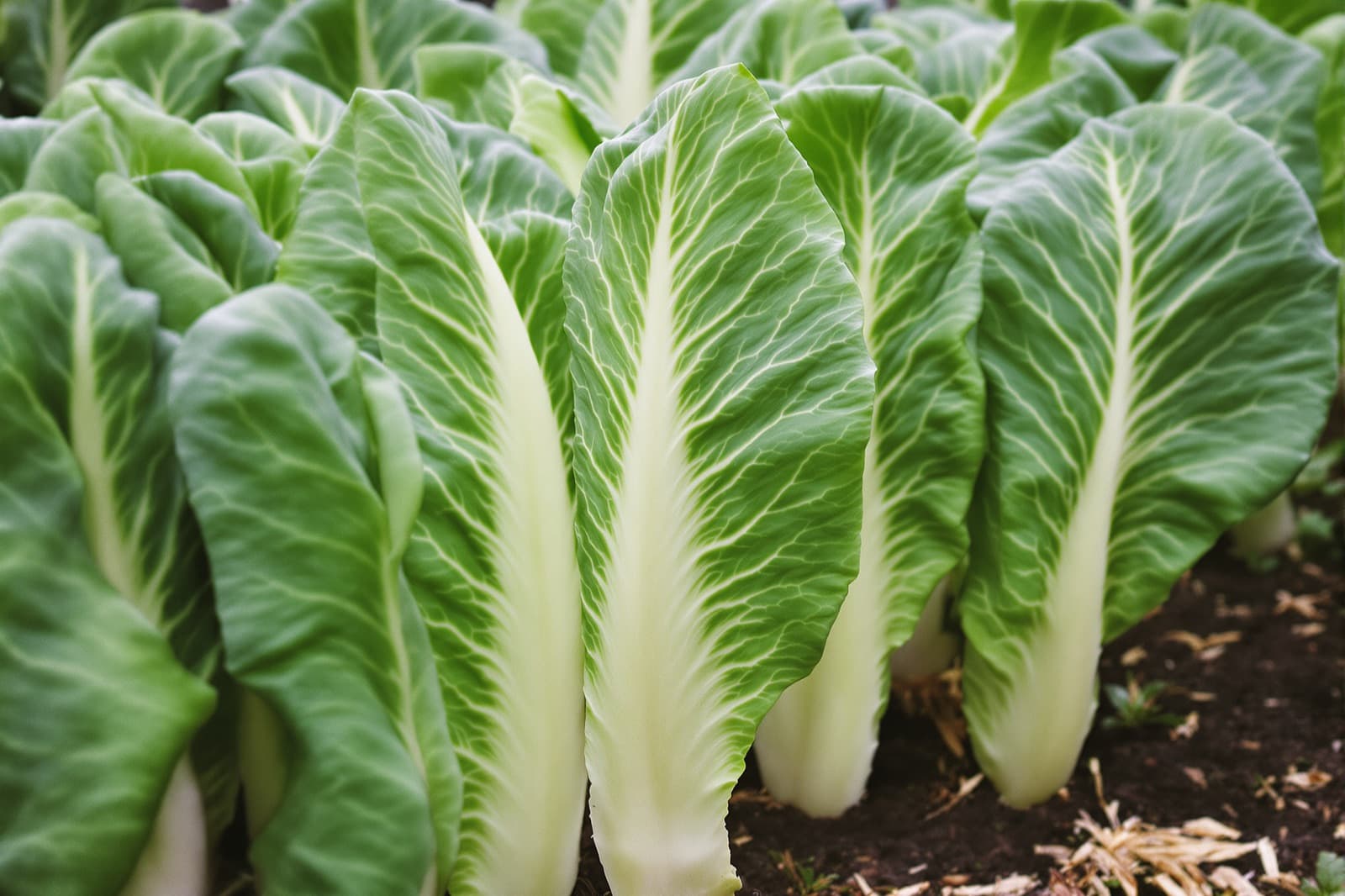
Close lettuce foliage in even light

Garden lettuce foliage for comparison. This is not a diagnosis.

Look

Compare the plant in front of you. Grocery “bugs in lettuce” questions are not this page.

Questions

  • Have you compared the plant with the cited notes after Other causes?

Most likely possibility

Based on the symptoms and conditions you selected, these are common possibilities—not a confirmed diagnosis. Compare the signs on your plant and follow the product label and local requirements before taking action.

This page does not name a cause from holes or small green insects alone. Cited notes after Other causes are source-bound observations — not a ranked list and not a confirmed cause for a given planting. No product is recommended here.

What to do now

  • Compare the plant in front of you with the cited notes after Other causes.
  • Contact local Extension if you want an identification.

Prevent

Log what you saw on the bed. This page does not run a prevention program.

Other causes

Growing notes live on how to grow lettuce. Timing lives on when to plant lettuce. Seed-stalk and bitterness notes live on lettuce bolting. They are separate guides; holes or small insects alone do not identify a cause.

Cited aphid notes (not a confirmed cause)

Separate source assertions — not a BioArva average.

  • Clemson HGIC 1312 (South Carolina): their lettuce sheet lists aphids among insect problems that may be encountered with this crop. Naming-on-sheet — not a diagnosis of a given planting and not a treatment program.
  • Illinois Extension (Illinois): watch for buildup of colonies of aphids on the undersides of the leaves. Look-location on their lettuce sheet — not a treatment instruction.
  • UMN Extension (Minnesota): aphids are small, 1/16- to 1/8-inch-long, pear-shaped, soft-bodied insects; color may be green, black, red, yellow, brown, or gray; they check for two tail pipes (cornicles) at the end of the abdomen. Identification on their home-garden sheet — not a lettuce diagnosis.

Cited slug and hole notes (not a confirmed cause)

Separate source assertions — not a BioArva average.

  • Clemson HGIC 1312 (South Carolina): slugs and snails may feed on the foliage. Feeding note on their lettuce sheet — not a BioArva bait program.
  • UMN Extension (Minnesota): their lettuce sheet lists that snails and slugs may cause holes in the leaves. Pattern on their sheet — not a diagnosis of a given planting.
  • UMN Extension (Minnesota): slugs can be described as snails without shells; they are slimy and soft-bodied, without any legs, generally brownish or grayish, 1/4 inch to two inches or longer; a dried slime trail indicates slugs are active. Identification on their sheet — not a diagnosis.
  • UMN Extension (Minnesota): slugs are generally active at night when it is cool and damp; they create irregularly shaped holes in leaves; look under plants where it is shady, cool and protected; in the evening, use a flashlight to locate slugs. Look-context on their sheet — not a treatment.
  • Maryland Extension (Maryland): host plants include leafy crops (beets, cabbage, Swiss chard, lettuce, spinach); slugs chew ragged, small to large holes primarily in leaf interiors, instead of along the edge, and typically leave silvery slime trails. Pattern on their vegetable-slug sheet — not a diagnosis.

Cited containment context (not a treatment program)

Separate source assertions — not a BioArva average.

  • Maryland Extension (Maryland): their lettuce sheet lists row cover as cited seedling containment context. Cover note on their sheet — not a growth outcome, feeding reduction, product SKU, or efficacy claim.
  • UMN Extension (Minnesota): you can physically knock aphids off plants with a strong spray of water from a garden hose. Water-spray as cited on their sheet — not a pesticide, rate, or efficacy ranking.
  • UMN Extension (Minnesota): their sheet lists weed removal as sanitation context. Sanitation on their sheet — not an attack-reduction outcome or a BioArva weed program.
  • UMN Extension (Minnesota): remove or relocate materials where slugs hide such as containers, boards, pavers and flat stones; too much chopped-leaf mulch can encourage slug habitat. Sanitation on their sheet — not a product barrier.
  • Maryland Extension (Maryland): sanitation is important — remove low-growing weeds, debris, rocks, and any other object slugs may hide beneath; use row cover to protect seedlings. Exclusion/sanitation on their sheet — not a bait or rate.
What is eating my lettuce?

This page does not name a cause from holes or bugs alone. Cited notes after Other causes list aphids and slugs as source-bound observations — not a ranked or confirmed cause. Compare the plant in front of you. Contact local Extension if you want an identification.

What insect is eating my lettuce?

Cited lettuce sheets list aphids among insect problems and note colonies on the undersides of leaves. That is look-location on those sheets — not a confirmed insect identification for a given planting. Slug notes on cited sheets are separate observations, not an insect ranking. Contact local Extension if you want an identification.

What is eating my lettuce at night?

A UMN Extension sheet notes slugs are generally active at night when it is cool and damp, and to look under plants where it is shady, cool and protected. Look-context on their sheet — not a confirmed cause for a given planting and not a treatment.

How do I keep bugs from eating my lettuce?

Cited containment on the sheets after Other causes is source-specific: row cover as seedling containment context, weed removal as sanitation context, a strong hose spray as cited water-spray, and removing hide objects. Those notes are not a BioArva program, product, rate, or a promise that feeding stops.

Close foliage in even light for comparison

Foliage for comparison. This is not a diagnosis.

Lettuce growing in a home garden bed

What to record in the Field Book

Save the bed with the crop and the date. You may add a photo and notes. Compare entries you have recorded with each other — not with a diagnosis from this page. If you want an identification, bring the record to local Extension.

Save this bed. See it coming next year.

Your checks stay in the Field Book so next season is not a guess.
Save this bed

How we know — methodology. Ranges and assertions are cited per source, not blended.