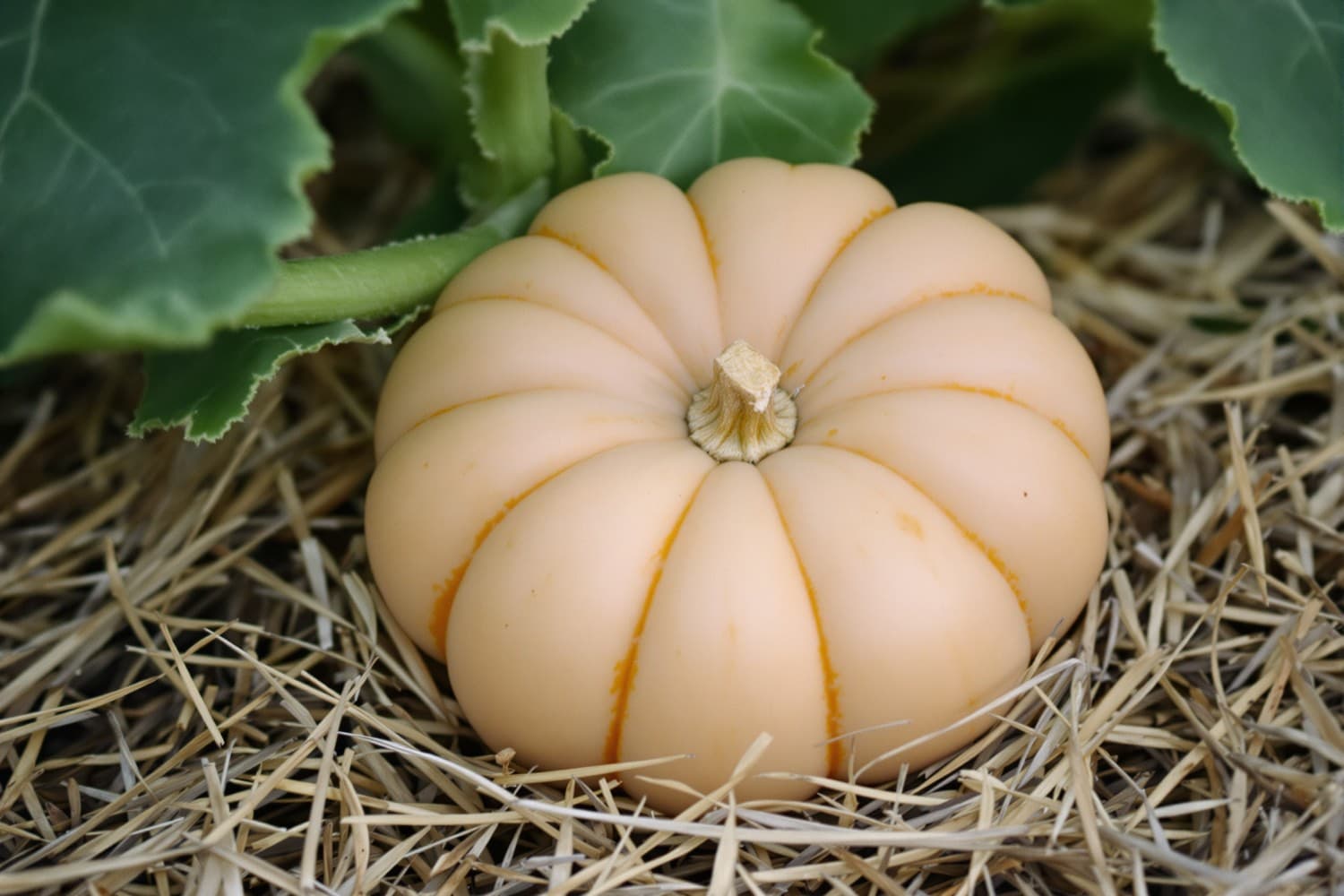
Planting timing · Frost-anchored
When to plant winter squash
When to plant winter squash here is cited frost and soil-temperature context — not a national calendar month. Butternut is the worked example on this SERP; spaghetti and acorn timing are not this page. Harvest is a separate guide.
Growing guidance is general information. Timing, spacing, and care depend on cultivar, weather, soil, and local conditions. Check the sources and adjust the plan for your garden.
Your window
Use your last-spring-frost history — not a national month.
A ZIP calculator is not live on this page. Save the bed to store the window you actually used.
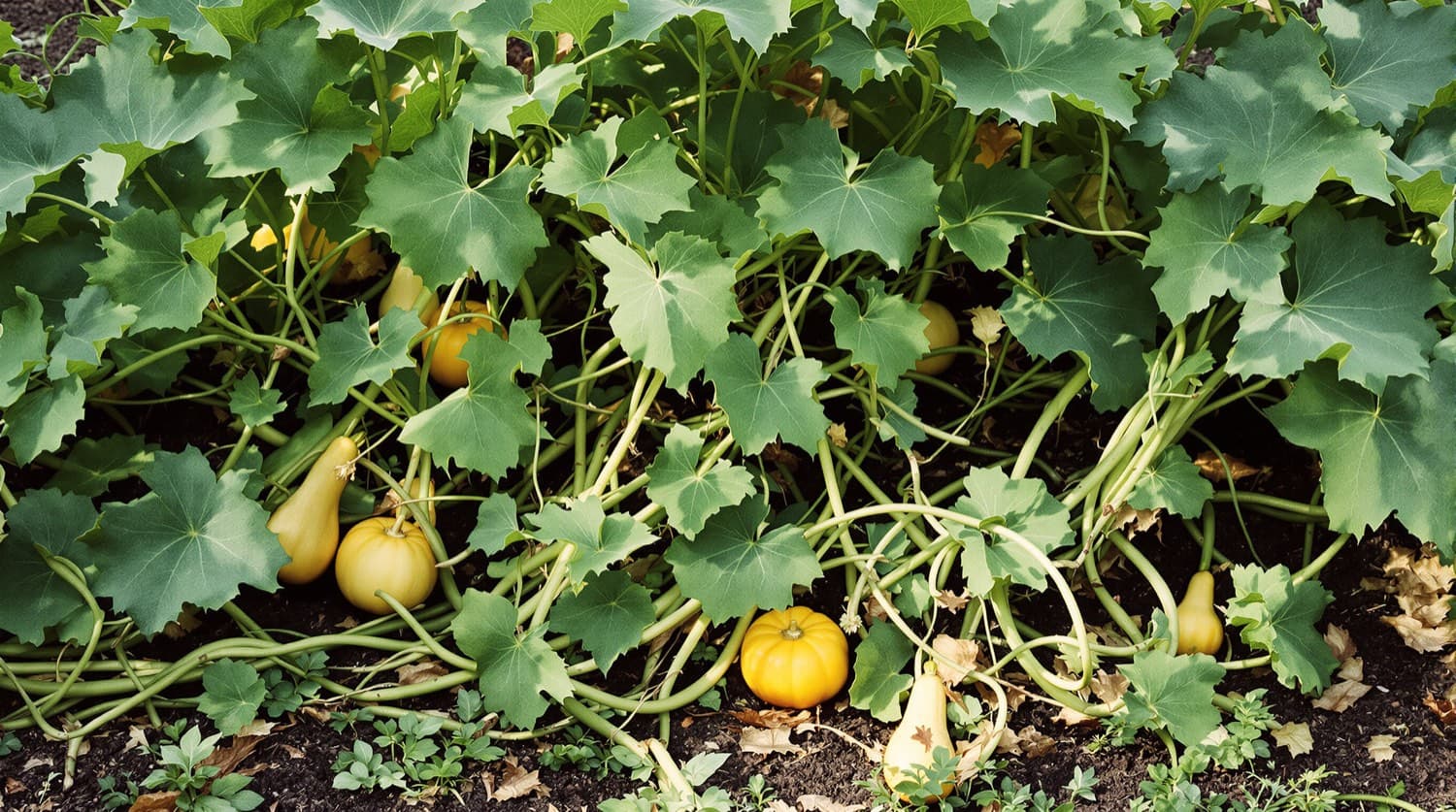
Soil temperature and frost notes are source-specific — not a national month.
Types live on winter squash varieties. Harvest lives on when to harvest butternut squash. Growing notes for squash as a class live on growing squash.
What the sources say — at a glance
One source per card. Facts are not averaged.
UMN Extension (Minnesota)
Minnesota: sow late May to early June, or start indoors late April. Soil 65°F at 2 inches. Seed ¾ inch; 24–36 in-row. Transplants about four weeks.
Details and limits (5)
When
UMN Extension (Minnesota): sow seed in the garden in late May to early June, or start seeds indoors in late April. Geography on their Minnesota sheet — not a national month.
Soil
UMN Extension (Minnesota): vine crops need warm soils (65 degrees Fahrenheit at 2 inches soil depth) to germinate properly. Temperature on their sheet — not a BioArva climate zone.
Depth
UMN Extension (Minnesota): plant pumpkin and winter squash seeds three-fourths of an inch deep, 24 to 36 inches apart. Closer spacing if the variety is a bush type. Rows 5 to 6 feet. Spacing on their sheet — not a BioArva average.
Transplant
UMN Extension (Minnesota): seedlings take about four weeks from seeding to transplanting; they should have two to three true leaves. Transplant when soil temperatures reach at least 65°F. Timing on their sheet — not a national calendar.
Limit
Minnesota winter-squash sheet. Timing only. Not harvest, not spaghetti/acorn-only timing.
Maryland Extension (Maryland)
After frost and soil warmed. 2–3 seeds; depth 4× seed thickness. Indoor 3 weeks. Second crop June 15–July 1. 60–100 days. 3–4 ft in-row.
Details and limits (6)
When
Maryland Extension (Maryland): plant after all danger of frost has passed and the soil has warmed. Frost-and-soil note on their sheet — not a national month.
Seed
Maryland Extension (Maryland): plant 2 to 3 seeds at a depth of 4 times the thickness of the seed. Or start transplants indoors by sowing seed in 3-inch diameter containers 3 weeks before planting time. Method on their sheet — not a ranking of seed vs transplant.
When
Maryland Extension (Maryland): you can still plant a second crop between June 15 and July 1. Date band on their Maryland sheet — not a universal calendar.
Maturity
Maryland Extension (Maryland): days to maturity 60–100 days on their sheet. Attribute — not a harvest protocol.
Spacing
Maryland Extension (Maryland): seeds every 3 ft. to 4 ft. apart in rows about 6 to 8 feet apart, depending on the type. Full sun at least 6 hours/day; prefers 8–10 hours/day. Spacing and light on their sheet — not a BioArva average.
Limit
Maryland winter-squash sheet. Timing only. Not harvest.
Virginia Cooperative Extension 426-406 (Virginia)
Sow after frost, soil thoroughly warmed. Seed 1 inch, 4–5 per hill. Thin bush 3–4 ft; semi-vining 4–6 ft; vining 5–7 ft. DTM 80–140 days on their sheet.
Details and limits (4)
When
Virginia Cooperative Extension 426-406 (Virginia): winter squash requires a long, warm growing season. Sow seeds after all danger of frost is past and the soil is thoroughly warmed. Timing on their sheet — not a national month.
Seed
Virginia Cooperative Extension 426-406 (Virginia): plant them 1 inch deep (4 to 5 seeds per hill). Thin bush types to one plant every 3–4 feet. Leave the two best plants of semi-vining types every 4–6 feet, and the two best plants of vining types every 5–7 feet. Spacing on their sheet — not a BioArva average.
Maturity
Virginia Cooperative Extension 426-406 (Virginia): winter squash days to maturity 80–140 days on their sheet. Small-fruited class 80–100 days; intermediate 110; large and jumbo 120. Days-to-maturity on the timing page — not a calendar month and not a harvest protocol.
Limit
Virginia 426-406 squash section. Timing only. Not harvest.
Illinois Extension (Illinois)
Tender; plant after frost, soil thoroughly warmed. Vining 1 inch, 4–5 seeds per hill. Acorn 80–100 days on their type line — not a harvest protocol.
Details and limits (4)
When
Illinois Extension (Illinois): squash is a tender vegetable. Seeds do not germinate in cold soil, and seedlings are injured by frost. Do not plant until all danger of frost is past and the soil is thoroughly warmed. Illinois frost-and-soil note — not a US month.
Spacing
Illinois Extension (Illinois): vining types — plant seeds one inch deep (four or five seeds per hill); allow 5 to 6 feet between hills; thin each hill to the best two or three plants; allow 7 to 12 feet between rows. Semi-vining: thin to the best two plants per hill; allow 8 feet between rows. Bush: one or two seeds per foot of row, thin to a single plant every three feet; allow five feet between rows. Spacing on their sheet — not a BioArva average.
Maturity
Illinois Extension (Illinois): acorn listed at 80 to 100 days to harvest on their type line. Days-to-maturity — not a harvest protocol.
Limit
Illinois winter-squash page. Timing and spacing only. Geography-specific. Not harvest.
Clemson HGIC 1318 (South Carolina)
After frost; soil above 60°F at 4 inches. Piedmont Apr 15–Jun 15. Coastal Mar 20–May 1 and Aug 1–Aug 31. South Carolina regions only.
Details and limits (4)
Soil
Clemson HGIC 1318 (South Carolina): all types of squash and pumpkins are highly susceptible to frost and should be seeded after all danger of frost is over, and the soil temperature at a depth of 4 inches is above 60 °F. South Carolina soil note — conflicts with Minnesota 65°F at 2 inches stay in Sources differ. Not a national month.
When
Clemson HGIC 1318 (South Carolina): winter squash Piedmont planting Apr 15–Jun 15 (fall not recommended). Coastal Mar 20–May 1 and Aug 1–Aug 31. County lists on that sheet. South Carolina regions only — not a national calendar.
Seed
Clemson HGIC 1318 (South Carolina): plant two to three seeds per hill about 1 inch deep and thin to one plant per hill. Bush or short-vined varieties 2 to 3 feet apart in rows 3 to 5 feet apart. Large-vined varieties 3 to 5 feet apart in rows 6 to 8 feet apart. Spacing on their sheet — not a BioArva average.
Limit
South Carolina HGIC 1318. Timing only. Fertilizer and pesticide sections on that sheet are not collected.
Sources differ
Make it yours
Save the bed in the Field Book so next season is not a guess.
Verified suppliers only
No supplier on this page
When a partner is listed, it will be outbound and disclosed. Nothing to buy here. Fertilizer, soils, and pesticides stay off this slot.
What month should I plant butternut squash?
This guide does not name a US month. UMN Extension (Minnesota): late May to early June in the garden, or start indoors late April. Maryland Extension (Maryland): a second crop between June 15 and July 1. Those are their geographies — not a national calendar.
Can I just plant butternut squash seeds?
Cited sheets list direct seed and transplants. UMN (Minnesota) seeds in the garden once soil is 65°F at 2 inches, or transplants after about four weeks. Maryland: 2 to 3 seeds, or indoor start 3 weeks in 3-inch pots. Method on those sheets — not a ranking.
Does butternut squash come back every year?
Maryland Extension (Maryland) lists winter squash as a very tender warm-season annual. Frost will injure top growth. Annual on their sheet — not a perennial claim.
Illustrative photograph — not a cited pairing.
How we know — methodology. Ranges and assertions are cited per source, not blended.