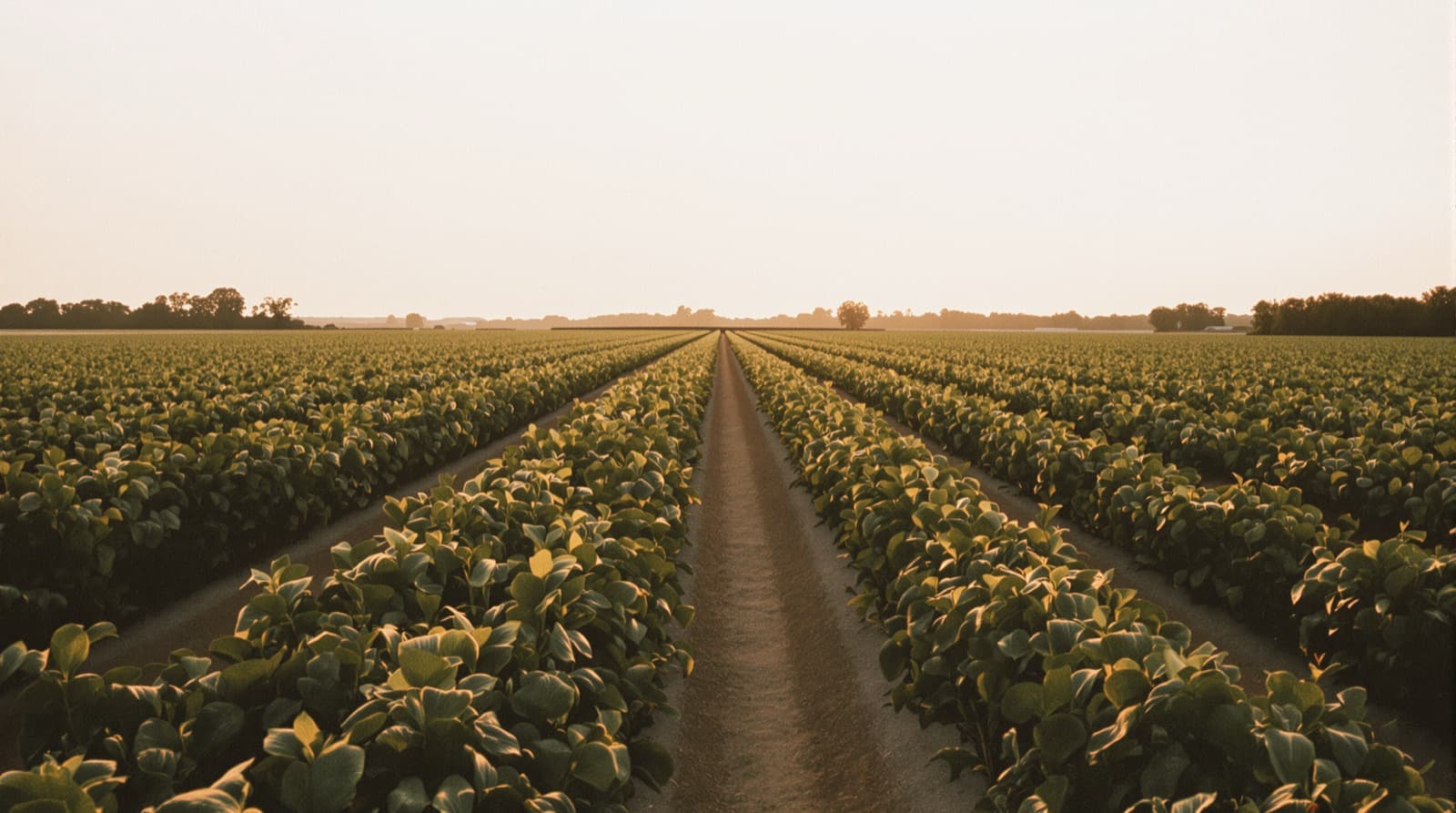
Harvest · Signals, not a promise
When to harvest beans
When to harvest beans here is cited harvest signals. Snap, shelling, and dry-bean cues stay type-separated. Those ranges are not how long yours keeps. Planting and care are other pages.
Growing guidance is general information. Timing, spacing, and care depend on cultivar, weather, soil, and local conditions. Check the sources and adjust the plan for your garden.
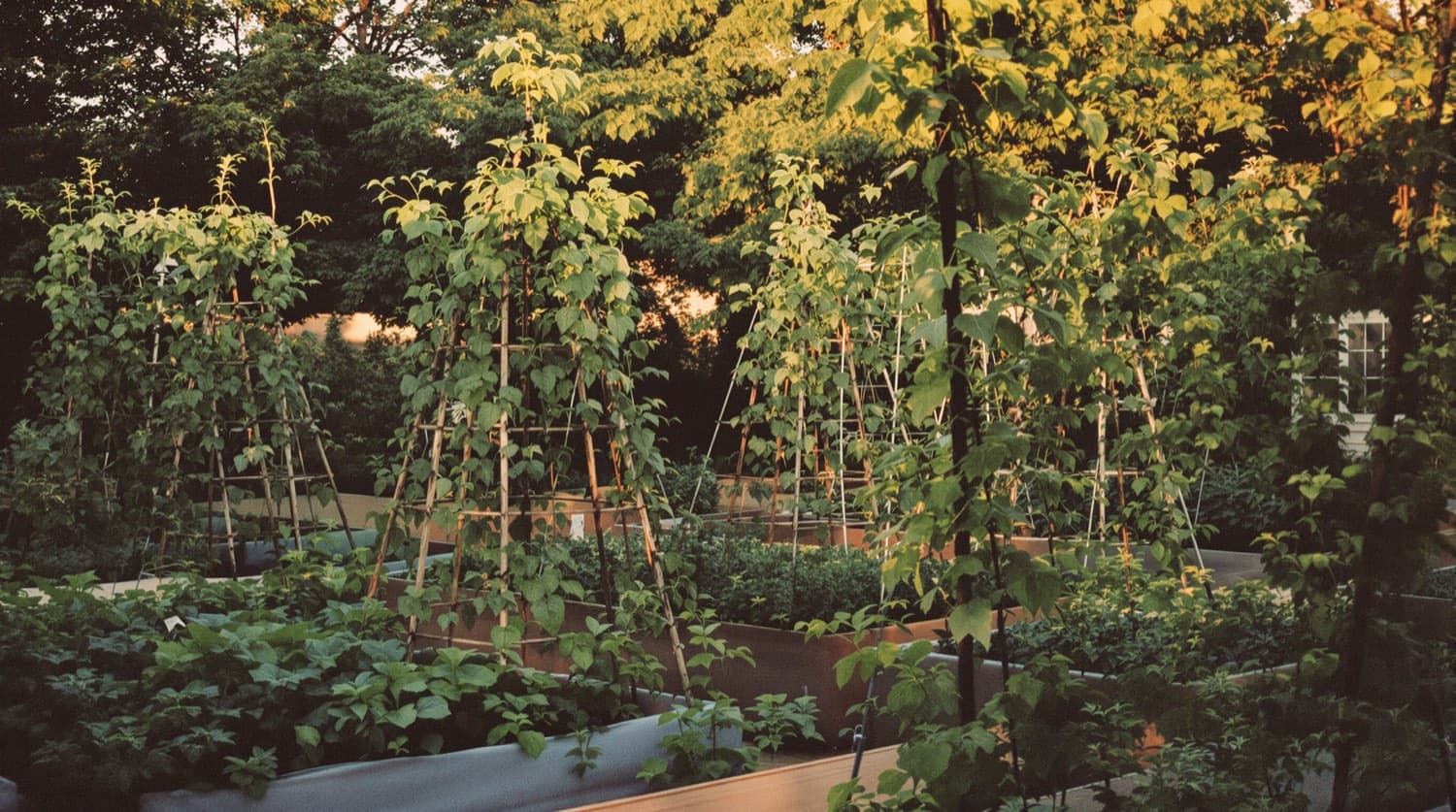
Illustrative photograph — harvest signals stay on the cited sheets.
Growing lives on growing green beans. Timing lives on when to plant beans. Care lives on bean plant care.
What the sources say — at a glance
One source per card. Facts are not averaged.
Maryland Extension (Maryland)
Snap: seed ¼ full size, no bulge, tender snap. Lima shelling: full-size seed, bright green, spongy end. Dry: dry and brown on the bush.
Details and limits (4)
Snap
Maryland Extension (Maryland): snap beans — seeds will be ¼ of full size; seed should not cause pods to bulge. Pods should be tender and break easily with a snap when ready. Cue on their sheet — not a keeping promise.
Shelling
Maryland Extension (Maryland): green shelling beans (lima beans): seeds will be full size and pods will be bright green; the end of the pod will be spongy.
Dry
Maryland Extension (Maryland): for dry beans of all types, pods should remain on the bush until dry and brown. Dry-bean cue on their sheet — not mixed with snap.
Limit
Maryland beans garden page. Snap, lima shelling, and dry stay type-separated. Not a fridge page.
UMN Extension (Minnesota)
Snap until seeds bulge. Filet slender. Shelling: thin/tough, not dry. Dry: rattle. Autumn wet: hang the plant indoors.
Details and limits (4)
Snap
UMN Extension (Minnesota): pick snap beans at any stage of pod formation until the shape of the individual seeds inside becomes apparent, causing the pods to bulge. Pick filet beans when they are very slender. Cue on their sheet — not a quality ranking.
Shelling
UMN Extension (Minnesota): harvest shelling beans when the pods have become thin and tough, but not dry; the pods should split open easily.
Dry
UMN Extension (Minnesota): harvest dry beans when the pods are dry and the beans inside are dry enough to rattle. If cold, rainy weather of autumn comes before the beans are fully mature, cut or pull the entire plant and hang upside-down indoors to dry. Source-specific method — not one BioArva protocol.
Limit
Minnesota beans sheet. Snap, shelling, and dry cues stay type-separated. Not a fridge page.
Iowa State University Extension (Iowa)
Harvest frequently and thoroughly. Young and firm, seeds small. About pencil diameter and 4–6 inches long.
Details and limits (2)
Snap
Iowa State University Extension (Iowa): green beans should be harvested frequently and thoroughly. Harvest snap beans when the pods are young and firm, and the seeds are small. At this stage, the pods are generally the diameter of a pencil and 4 to 6 inches long. Iowa sheet — not a national size rule.
Limit
Iowa green-bean page. Snap cue as cited. Not a yield claim and not a fridge page.
Illinois Extension (Illinois)
Firm, crisp, fully elongated, before the seed has developed significantly. Pick dry after dew. Wet-plant blight note is their harvest method — not a diagnosis.
Details and limits (3)
Snap
Illinois Extension (Illinois): harvest when the pods are firm, crisp and fully elongated, but before the seed within the pod has developed significantly. Be careful not to break the stems or branches, which are brittle on most bean varieties. Cue on their sheet — not a keeping promise.
Method
Illinois Extension (Illinois): pick beans after the dew is off the plants, and they are thoroughly dry. Picking beans from wet plants can spread bean bacterial blight. Their harvest-method note — not a diagnosis, not a symptom router, and not a treatment claim.
Limit
Illinois snap-bean page. Harvest-method wet-plant sentence stays attributed. Not a pest mill.
Utah State University Extension (Utah)
Snap: full pods before seeds formed. Dry: yellow and dry. Two types on one sheet — not one protocol.
Details and limits (3)
Snap
Utah State University Extension (Utah): harvest snap beans when pods are full but seeds aren’t yet formed. Utah cue — not a keeping promise.
Dry
Utah State University Extension (Utah): for dry beans, delay harvest until pods are yellow and dry. Dry-bean cue on their sheet — not mixed with snap.
Limit
Utah beans-in-the-garden sheet. Snap and dry stay type-separated. Not a fridge page.
Sources differ
Make it yours
Save the bed in the Field Book so next season is not a guess.
Verified suppliers only
No supplier on this page
When a partner is listed, it will be outbound and disclosed. Nothing to buy here. Fertilizer, soils, and pesticides stay off this slot.
How do you know when snap beans are ready to pick?
Compare snap cues on the cited sheets. Iowa State (Iowa): young and firm, seeds small, generally pencil diameter and 4 to 6 inches long. Illinois: firm, crisp, fully elongated, before the seed has developed significantly.
Are dry beans picked the same way as snap beans?
No. Snap, shelling, and dry stay type-separated. UMN (Minnesota): dry beans when pods are dry and beans rattle; if autumn is cold and rainy before they mature, hang the whole plant indoors. Utah: delay dry beans until pods are yellow and dry.
How we know — methodology. Ranges and assertions are cited per source, not blended.