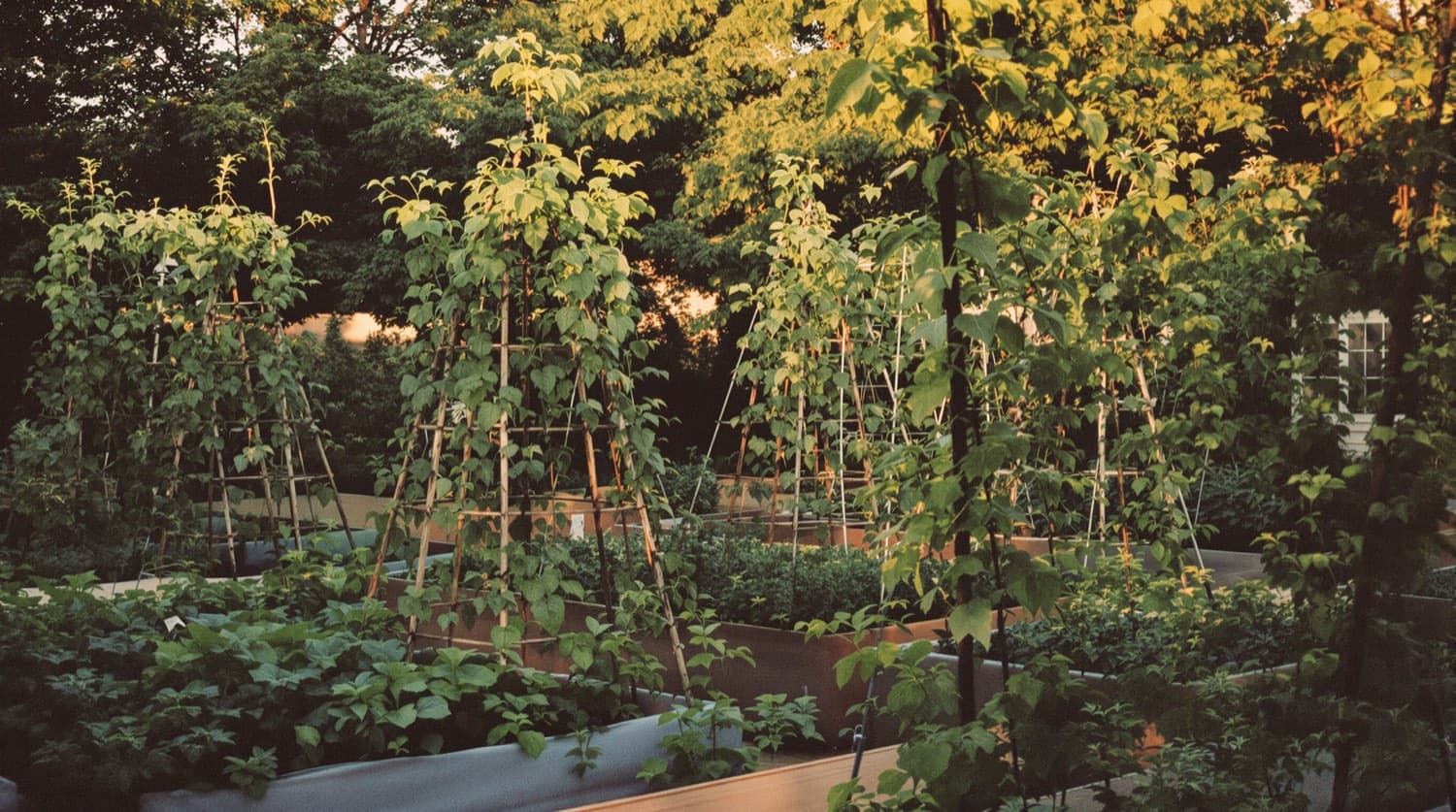
Crop guide · Care
Green bean plant care: do green beans need a trellis?
Bush beans stand without support on cited Illinois notes; pole beans climb supports. Trellis form and height are source-specific. This page does not sell a trellis.
Growing guidance is general information. Timing, spacing, and care depend on cultivar, weather, soil, and local conditions. Check the sources and adjust the plan for your garden.
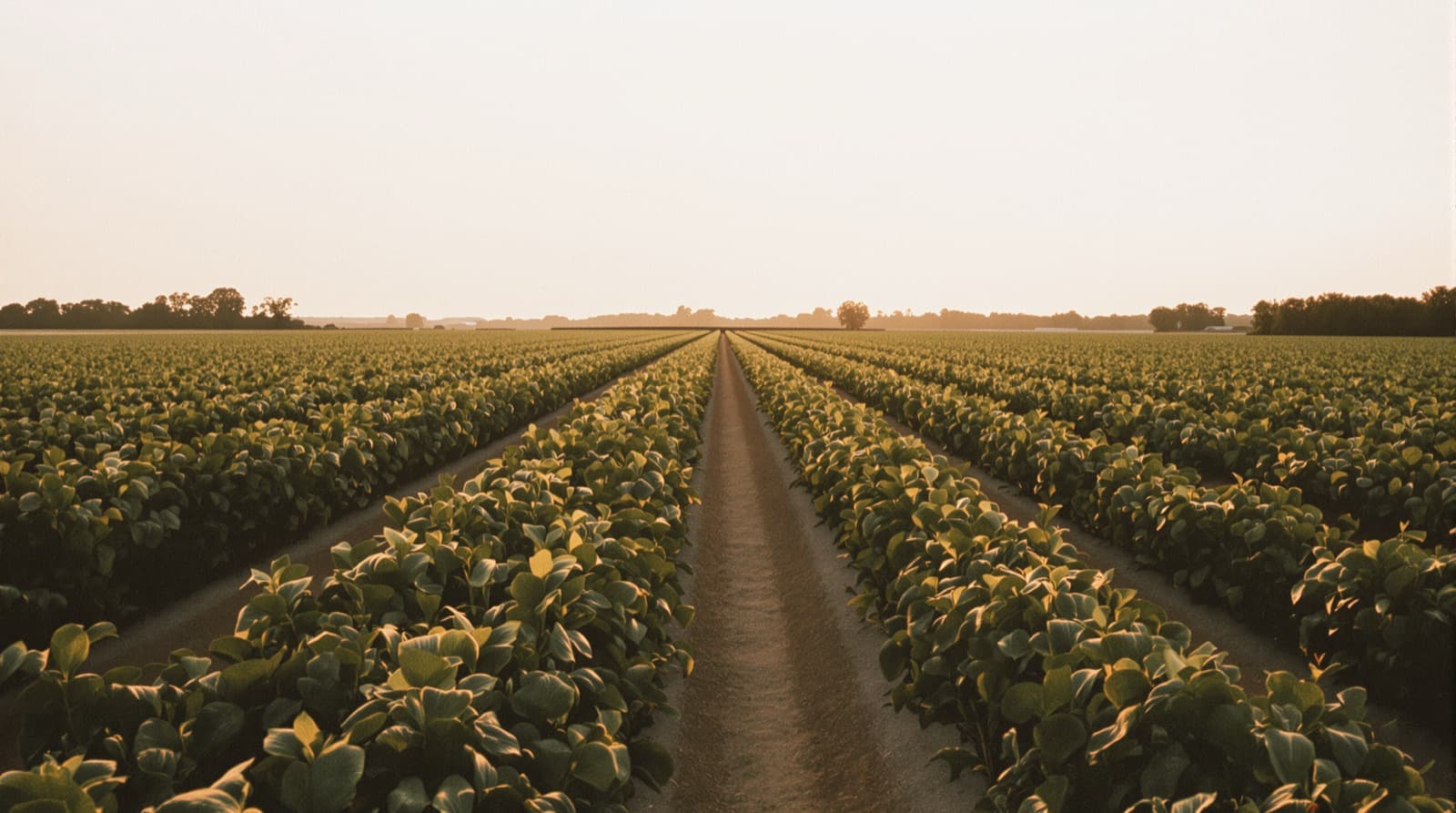
Support notes are habit on a named sheet — not a product ranking.
Planting windows live on when to plant green beans. Fertilizer and harvest timing are not this page.
What the sources say — at a glance
One source per card. Facts are not averaged.
Illinois Extension (Illinois)
Bush beans stand without support; pole beans climb. Bush 2–4 inches in-row, rows 18–24 inches; pole 4–6 inches, rows 30–36 inches.
Details and limits (5)
Habit
Bush beans stand upright without support; pole beans are vining plants and climb supports. Habit on their sheet — not a ranking and not a trellis SKU.
Spacing
Plant seeds of bush beans 2 to 4 inches apart in rows at least 18 to 24 inches apart. Spacing on their sheet — not a BioArva average.
Spacing
Plant seeds of pole beans 4 to 6 inches apart in rows 30 to 36 inches apart; or in hills (four to six seeds per hill) 30 inches apart, with 30 inches between rows. Spacing on their sheet — not a BioArva trellis SKU.
Culture
Their sheet notes bean plants have fairly weak and shallow root systems and lists deep, close cultivation in that root context. Cultural note on their sheet—not a yield promise.
Limit
Illinois snap-bean sheet. Habit is not a product ranking.
Maryland Extension (Maryland)
Pole beans climb but will not interweave through horizontal wires. Trellises 6- to 8-feet tall. Water deeply in dry periods.
Details and limits (5)
Support
Pole beans are natural climbers but will not interweave themselves through horizontal wires. Support note on their sheet — not a BioArva trellis SKU.
Support
Their sheet lists tripods among trellis forms used for pole beans. Support note—not a BioArva product SKU.
Support
Trellises should be 6- to 8-feet tall and sturdy enough to withstand summer storms. Support note on their sheet — not a BioArva product SKU.
Water
Keep the root zone moist by watering deeply and regularly during dry periods; water more frequently when pods begin to develop. Water note on their sheet — not a BioArva irrigation schedule.
Limit
Maryland bean sheet. Height is not averaged with Iowa State.
Iowa State Extension (Iowa)
Pole beans need a fence or stakes about 6 to 7 feet tall. Bush types 1 to 2 feet high. About 1 inch of water per week.
Details and limits (7)
Support
Pole beans are vining plants which must be supported by a fence or stakes. Support note on their sheet — not a BioArva trellis SKU.
Support
The support for pole beans should be approximately 6 to 7 feet tall. Support note on their sheet — not a BioArva product SKU.
Habit
Bush-type beans are low-growing plants that grow 1 to 2 feet in height. Habit note on their sheet — not a ranking.
Spacing
Pole beans may be planted in rows spaced 2 to 3 feet apart; in the row, plant pole bean seeds 3 inches apart. Spacing on their sheet — not a BioArva trellis SKU.
Water
Beans require 1 inch of water per week (from rain or irrigation), especially during blossoming and pod development. Water note on their sheet — not a BioArva irrigation schedule.
Climate
Hot, dry conditions during blossoming may cause many of the flowers to drop off. Source-observed climate/moisture note — not a diagnosis or yield promise.
Limit
Iowa bean sheet. 6 to 7 feet is not Maryland’s 6- to 8-feet note.
UGA Extension (Georgia)
Pole beans can reach 6 feet or more. Bush beans need no external support. Half-runners can grow without support but spread more.
Details and limits (5)
Support
Pole beans can reach heights of 6 feet or more, so the support system should be strong and high enough to accommodate that growth. Support note — not a BioArva product SKU.
Types
Their sheet distinguishes half-runner beans as a cross between pole and bush; half-runners can be grown without support but spread out more than bush beans. Type note only — not a ranking or SKU.
Habit
Bush beans are compact varieties that grow in a bush form and need no external support. Habit on their sheet — not a trellis SKU.
Water
Reduce watering to once every three days after the first week; water as needed after beans become established, their sheet says. Water note — not a BioArva irrigation schedule.
Limit
Georgia bean sheet only.
WVU Extension (West Virginia)
Bush beans will not need support; pole beans will. Install supports at planting. At least an inch of rain per week; twice a week if dry.
Details and limits (4)
Support
Their sheet notes bush beans will not need support and pole beans will, and lists installing supports at planting. Support note — not a BioArva product SKU.
Support
Supports can be as simple as poles with connecting wires or twine for the beans to climb horizontally or fencing panel grids; beans can also climb vertically up tent-like structures or vertical wires. Support note — not a BioArva product SKU.
Water
Typically, beans require at least an inch of rain per week for optimal growth and development; under dry conditions, they need to be watered two times a week. Water note on their sheet — not a BioArva irrigation schedule.
Limit
West Virginia bean sheet only.
Utah State Extension (Utah)
Wooden poles or other fencing materials among supports; plants climb naturally.
Details and limits (2)
Support
Their sheet lists wooden poles or other fencing materials among supports for beans, and notes plants climb naturally. Support note — not a BioArva product SKU.
Limit
Utah bean sheet only.
UMN Extension (Minnesota)
Install pole supports at planting. Six-foot stakes and twine, or a teepee of bamboo. Half-runners usually not more than three feet.
Details and limits (5)
Support
Install pole bean supports in place at planting time; make a simple trellis of six-foot stakes and twine, or set up a teepee of bamboo poles or long branches. Support note — not a BioArva product SKU.
Spacing
Plant seeds in a row in front of the trellis; plant seeds four inches apart or two to four seeds at the base of each pole. Spacing on their sheet — not a BioArva average.
Types
Half-runner vines can benefit from some support, although they usually do not grow to more than three feet tall. Type note — not a BioArva product SKU.
Climate
Their sheet notes extremely hot weather during flowering in the context of bean plants not setting fruit. Source-observed climate context only—not a diagnosis or yield promise.
Limit
Minnesota bean sheet only.
Sources differ
Make it yours
Save the bed in the Field Book so next season is not a guess.
Verified suppliers only
No supplier on this page
When a partner is listed, it will be outbound and disclosed. Nothing to buy here. Fertilizer, soils, and pesticides stay off this slot.
How tall should a trellis be for green beans?
Maryland Extension (Maryland): trellises should be 6- to 8-feet tall and sturdy enough to withstand summer storms. Iowa State (Iowa): the support for pole beans should be approximately 6 to 7 feet tall. Support notes on those sheets — not a BioArva product SKU.
Which type of beans don't require a trellis?
Illinois Extension (Illinois): bush beans stand upright without support; pole beans are vining plants and climb supports. UGA Extension (Georgia): bush beans are compact varieties that grow in a bush form and need no external support. Habit on those sheets — not a ranking and not a trellis SKU.
Should I use a trellis for green beans?
Use the habit on the cited sheet for the type you planted: bush notes list no external support; pole notes list a fence, stakes, or a trellis tall enough for the vine. This page does not sell a trellis.
What can I use instead of trellis?
Iowa State (Iowa): pole beans are vining plants which must be supported by a fence or stakes. Maryland Extension (Maryland): their sheet lists tripods among trellis forms used for pole beans. Support notes — not a BioArva product SKU.
What to record in the Field Book
Save the bed with the crop and the date. You may add a photo and notes. Compare entries you have recorded with each other — not with a diagnosis from this page. If you want an identification, bring the record to local Extension.
How we know — methodology. Ranges and assertions are cited per source, not blended.