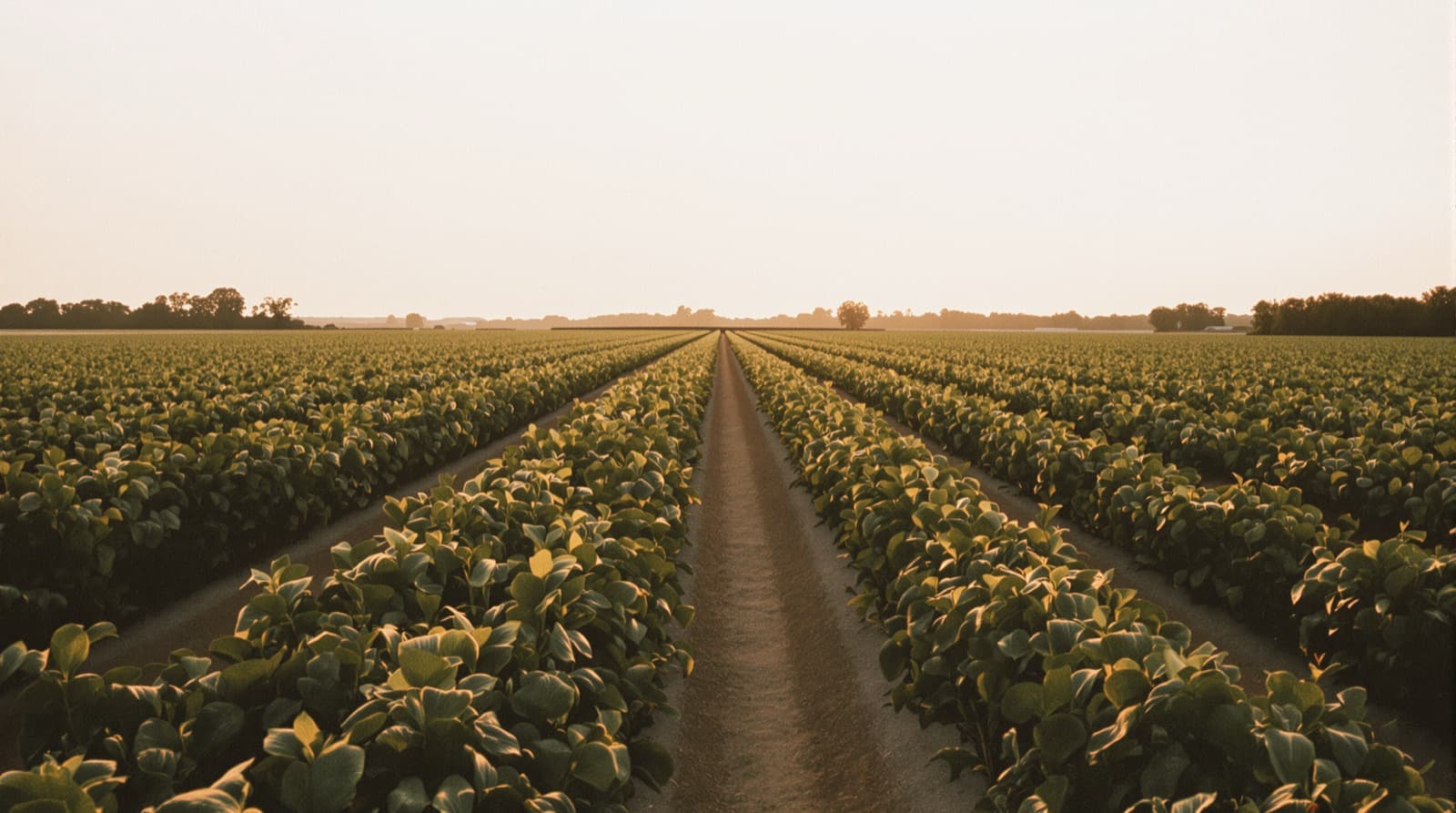
Planting timing · Frost-anchored
When to plant green beans
Plant green beans after frost risk has passed at your location, not on a national calendar month. Succession intervals are source-specific. Harvest timing is not this page.
Growing guidance is general information. Timing, spacing, and care depend on cultivar, weather, soil, and local conditions. Check the sources and adjust the plan for your garden.
Your window
Use your last-spring-frost history — not a national month.
A ZIP calculator is not live on this page. Save the bed to store the window you actually used.
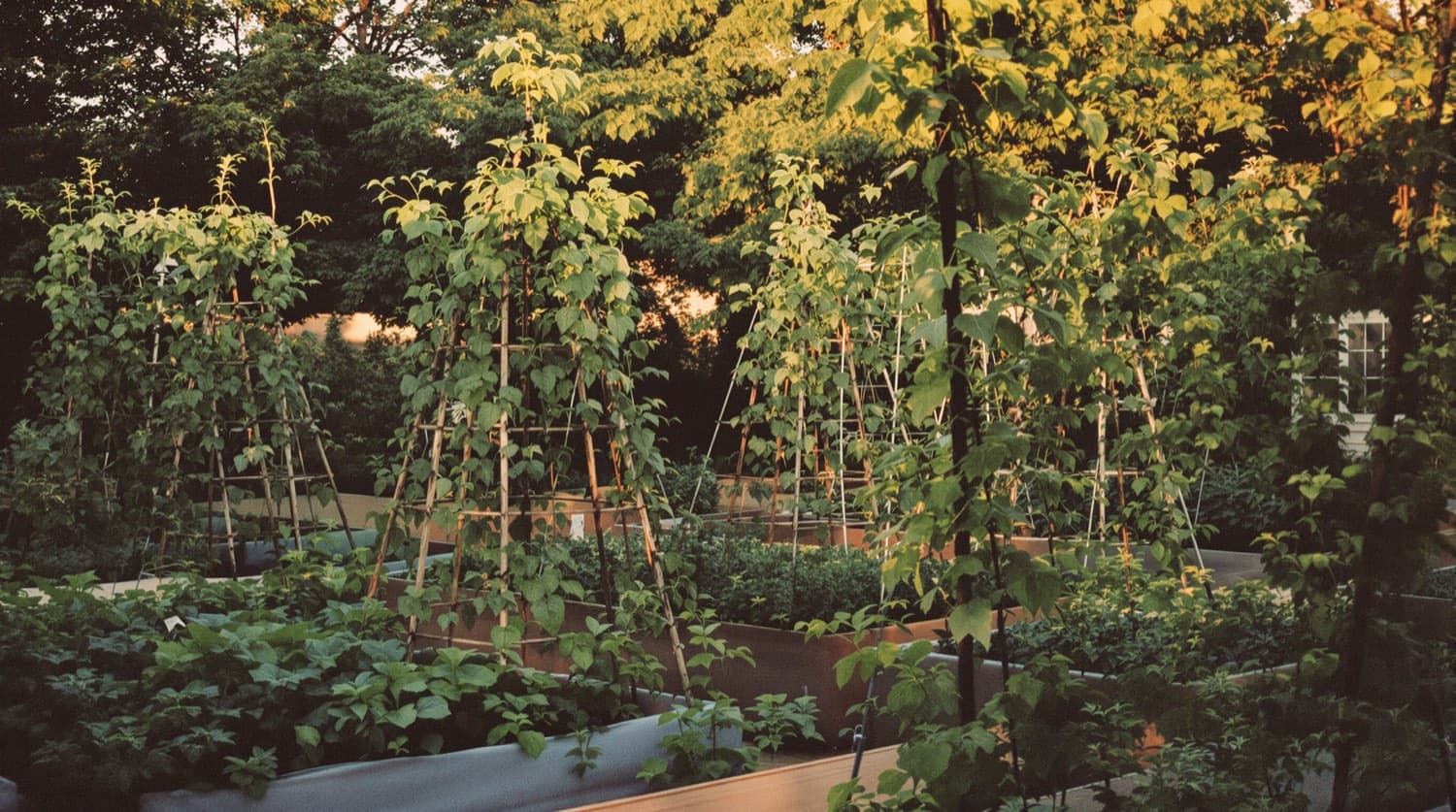
Sow after frost risk at your site. Bush vs pole spacing lives on the care page.
Support and trellis notes live on green bean plant care.
What the sources say — at a glance
One source per card. Facts are not averaged.
Illinois Extension (Illinois)
Plant after frost. If soil has warmed, a week to 10 days before last frost is listed. Succession every 2 to 4 weeks until early August. Never soak seed.
Details and limits (5)
Timing
Beans are sensitive to cold temperatures and frost; they should be planted after all danger of frost has passed in the spring. Timing on their sheet — not a national plant date.
Timing
If the soil has warmed before the average last-frost date, an early planting may be made a week to 10 days before this date. Timing on their sheet — not a national plant date.
Succession
Their sheet lists planting every 2 to 4 weeks until early August. Succession interval on their sheet — not a BioArva calendar and not a yield promise.
Seed
Seeds of most varieties tend to crack and germinate poorly if the soil's moisture content is too high; they say never soak bean seeds before planting. Seed note on their sheet — not a BioArva seed treatment.
Limit
Illinois snap-bean sheet only.
Maryland Extension (Maryland)
Seed after frost danger. Snap beans every 2 to 3 weeks through mid-to-late July. Cover seed 1/4 to 1/2 inch.
Details and limits (5)
Timing
Seed after danger of frost is past. Frost will damage plant tissue. Timing/hardiness on their sheet — not a national plant date.
Succession
Their sheet lists planting snap beans every 2 to 3 weeks from the frost-free date through mid-to-late July. Succession interval on their sheet — not a BioArva calendar and not a yield promise.
Maturity
From direct garden sowing, their sheet lists snap beans 50–60 days and pole beans 60–110 days. Days-to-maturity on their sheet — not a yield promise.
Depth
Cover seed with 1/4 to 1/2 inch of soil or compost. Depth on their sheet — not a BioArva average.
Limit
Maryland bean sheet only. Depth is not averaged with Illinois or Iowa State.
Iowa State Extension (Iowa)
After frost; in central Iowa around May 10. Last practical date August 1. Bush every 2 to 3 weeks. Seed 1 to 1½ inches deep.
Details and limits (6)
Timing
The last practical date for planting snap beans on their sheet is August 1. Iowa calendar — not a national plant date.
Succession
For continuous harvest, plant bush cultivars every 2 to 3 weeks. Succession interval on their sheet — not a BioArva calendar and not a yield promise.
Timing
Beans should be planted after the danger of frost has passed; in central Iowa, they say it is usually safe to begin planting around May 10. Iowa calendar on their sheet — not a national plant date.
Depth
Bean seeds should be planted 1 to 1½ inches deep. Depth on their sheet — not a BioArva average.
Spacing
Bush cultivars are planted in rows 2 feet apart with seeds spaced 1 to 2 inches apart; after seedlings emerge, thin bush snap beans to 3 to 4 inches between plants. Spacing on their sheet — not a BioArva average.
Limit
Iowa bean sheet. May 10 and August 1 are Iowa, not national dates.
WVU Extension (West Virginia)
Warm-weather crop; soil 60°F for germination; cannot tolerate frost. Cool soil can mean poor germination and seed rot. Eight to 10 hours of sun.
Details and limits (4)
Timing
Beans are warm-weather crops, requiring a soil temperature of 60°F for proper germination, and cannot tolerate frost. Timing on their sheet — not a national plant date.
Germination
Planting in soil with a temperature that’s too cool can result in poor germination and seed rot. Source-observed soil-temperature context — not a diagnosis.
Sun
Beans prefer direct sunlight for eight to 10 hours per day. Light note on their sheet — not a site ranking.
Limit
West Virginia bean sheet only.
UGA Extension (Georgia)
Best at 65–85°F air. Soil at least 55°F for germination. Direct seed; six to eight hours or more of sun. Irrigate immediately after planting.
Details and limits (6)
Temperature
Green beans grow best when air temperatures range from 65°F to 85°F. Temperature range on their sheet — not a BioArva climate zone.
Timing
Soil temperatures should be at least 55°F for good seed germination. Timing on their sheet — not a national plant date.
Start
Green beans can be directly seeded in the garden and do not need to be started as transplants. Direct-sow note on their sheet — not a national method ranking.
Sun
Green beans should receive six to eight hours or more of sunlight every day. Light note on their sheet — not a site ranking.
Water
Irrigate beans immediately after planting; keep the seed bed moist, but not soggy, for the first week until germination occurs. Establishment-water note on their sheet — not a BioArva irrigation schedule.
Limit
Georgia bean sheet. 55°F soil is not WVU’s 60°F germination note.
Utah State Extension (Utah)
Start planting one week before the last frost-free date. Seedlings emerge in 7–10 days in soil warmed to 65–85°F.
Details and limits (3)
Timing
Start planting beans one week before the last frost-free date for your area. Timing on their sheet — not a national plant date.
Germination
Seedlings will emerge in 7–10 days when planted in soil that has warmed to 65–85°F. Germination note on their sheet — not a BioArva climate zone.
Limit
Utah bean sheet only.
UMN Extension (Minnesota)
Plant once the soil has warmed; in much of Minnesota, not until late May or even early June.
Details and limits (2)
Timing
Plant beans once the soil has warmed; in much of Minnesota, this is not until late May or even early June. Minnesota calendar on their sheet — not a national plant date.
Limit
Minnesota bean sheet only.
Sources differ
Make it yours
Save the bed in the Field Book so next season is not a guess.
Verified suppliers only
No supplier on this page
When a partner is listed, it will be outbound and disclosed. Nothing to buy here. Fertilizer, soils, and pesticides stay off this slot.
Do green beans like shade or sun?
UGA Extension (Georgia): green beans should receive six to eight hours or more of sunlight every day. Light note on their sheet — not a site ranking.
What to record in the Field Book
Save the bed with the crop and the date. You may add a photo and notes. Compare entries you have recorded with each other — not with a diagnosis from this page. If you want an identification, bring the record to local Extension.
How we know — methodology. Ranges and assertions are cited per source, not blended.