Crop guide
How to grow raspberries
How to grow raspberries means matching cited primocane and floricane notes to your bed, keeping sources separate by geography. There is no single trick.
Growing guidance is general information. Timing, spacing, and care depend on cultivar, weather, soil, and local conditions. Check the sources and adjust the plan for your garden.
Steps (range, not a promise)
- 01Read cited cane notes — primocanes, floricanes, and types stay source-specific.
- 02Match red, black, purple, and yellow notes to the sheet for your geography.
- 03Log the bed so next season is not a guess.
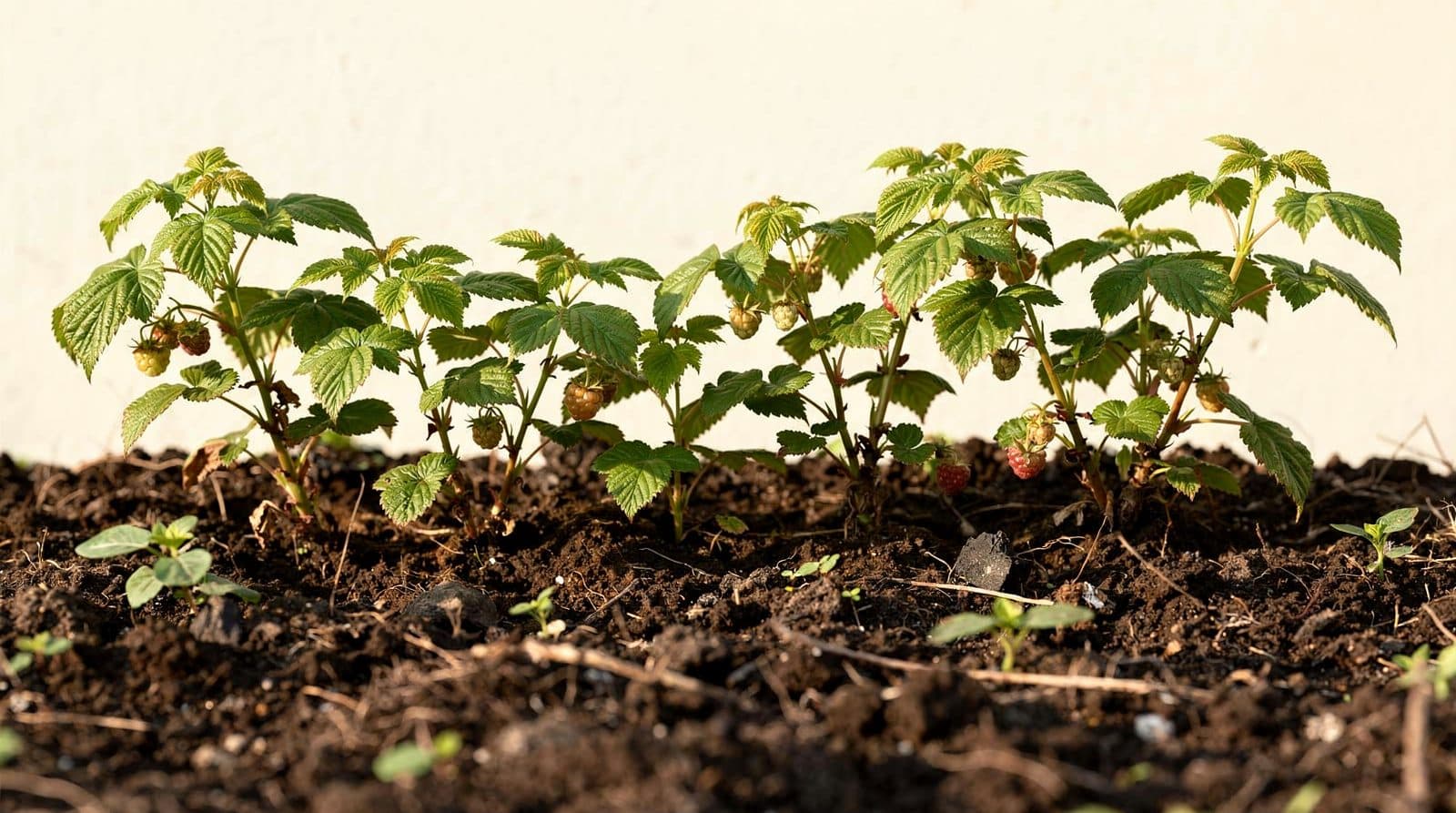
Raspberry plants in a home garden bed.
The season, on your ground
Save this bed — freeWhen to plantPruningHarvestGarden pests
What the sources say — at a glance
One source per card. Facts are not averaged.
Illinois Extension (Illinois)
Rubus. Perennial crown. Biennial canes. Primocane and floricane.
Details and limits (3)
Types
Illinois Extension (Illinois): raspberries belong to the genus Rubus, part of the rose family. Cultivated raspberries have been derived mainly from two species, the wild red raspberry (Rubus idaeus) and black raspberry (Rubus occidentalis). Purple type is a cross between the black and red raspberry, and yellow type is a mutant red raspberry. Underground root stem and crown are perennial; canes from underground buds are biennial — primocanes (first year canes) and floricanes (canes in second year). Receptacle remains on the plant when fruit is harvested, leaving a hole at the bottom of the fruit. Identification.
Types
Illinois Extension (Illinois): almost all raspberries bear fruit on 2-year-old canes, then the cane dies. Both summer bearing and everbearing varieties are available — except in the case of black raspberries. Identification.
Limit
Illinois small-fruits raspberries page. Identification only — not a start calendar.
University of Minnesota Extension (Minnesota)
Brambles. Red, black, purple. Yellow lacks red pigment.
Details and limits (3)
Types
University of Minnesota Extension (Minnesota): raspberries belong to a large group of fruits known as brambles, all in the plant genus Rubus. Three main types that can be grown in the home garden are red, black and purple. Yellow raspberries are red raspberries that don't make red pigment. Raspberry plants have perennial roots and crowns, but their canes live for only two summers. Identification.
Types
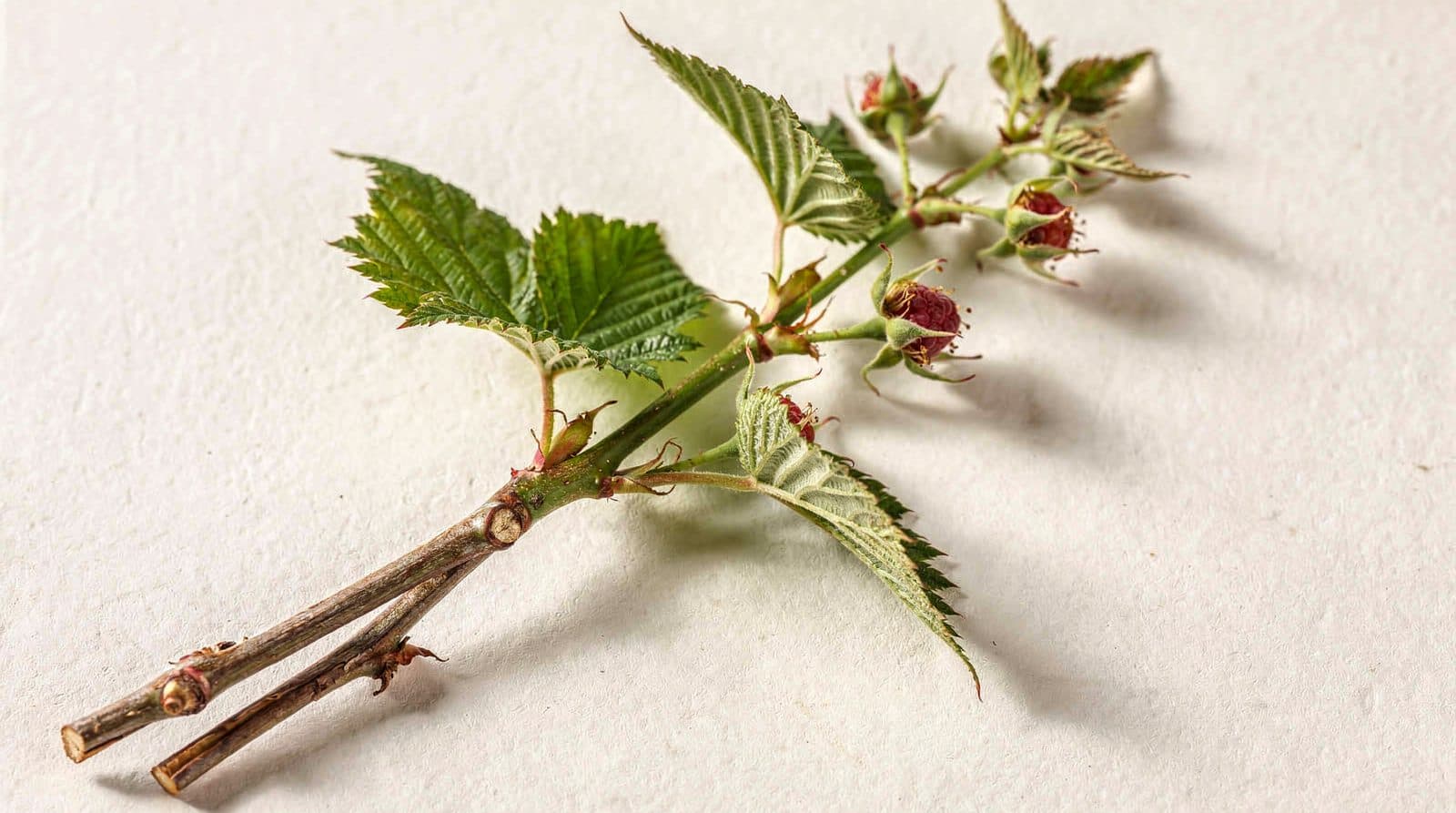
University of Minnesota Extension (Minnesota): primocanes are the green, fleshy stalks that grow each year. During the first year the new primocane develops brown bark, then goes through a dormant period in winter and becomes a floricane during the second growing season. Floricanes are woody and brown; the floricane produces fruit in early to mid summer and then dies. Identification.
Limit
Minnesota growing-raspberries page. Identification only — not harvest.
NC State Extension (North Carolina)
Perennial roots. Two-year canes. Summer fruiting and everbearing.
Details and limits (2)
Types
NC State Extension (North Carolina): the raspberry plant has perennial roots and crowns, but their canes live for 2 years. The first year canes produce only leaves as they emerge from the ground; these canes go dormant in the winter. In the following spring, these second year canes produce flowers and fruit, and after fruiting the cane dies. Summer fruiting types. A second type, everbearing, will produce fruit on the tips of the first year canes. Identification.
Limit
North Carolina raspberries-in-the-home-garden page. Identification only — not harvest.
University of Maine Cooperative Extension (Maine)
Perennial crown. Primocanes then floricanes. Everbearing tip crop.
Details and limits (2)
Types
University of Maine Cooperative Extension (Maine): the crowns and roots of raspberry plants are perennial, but individual canes live for two years. Each spring the plants produce canes (suckers) from buds on the crown and on underground lateral stems. These canes, called primocanes, grow vegetatively during the first season, overwinter, and produce fruit during the summer of the second year. These second-year canes, called floricanes, die shortly after fruiting. Everbearing-type raspberries bear fruit on the tips of the primocanes in the fall, followed by fruit on the lower portion of the same canes in the second year. Identification.
Limit
Maine bulletin 2066 raspberry clauses only — not harvest.
Make it yours
Save the bed in the Field Book so next season is not a guess.
Sources differ
Verified suppliers only
No supplier on this page
When a partner is listed, it will be outbound and disclosed. Nothing to buy here. Fertilizer, soils, and pesticides stay off this slot.
What to record in the Field Book
Save the bed with the crop and the date. You may add a photo and notes. Compare entries you have recorded with each other — not with a diagnosis from this page. If you want an identification, bring the record to local Extension.
How we know — methodology. Ranges and assertions are cited per source, not blended.