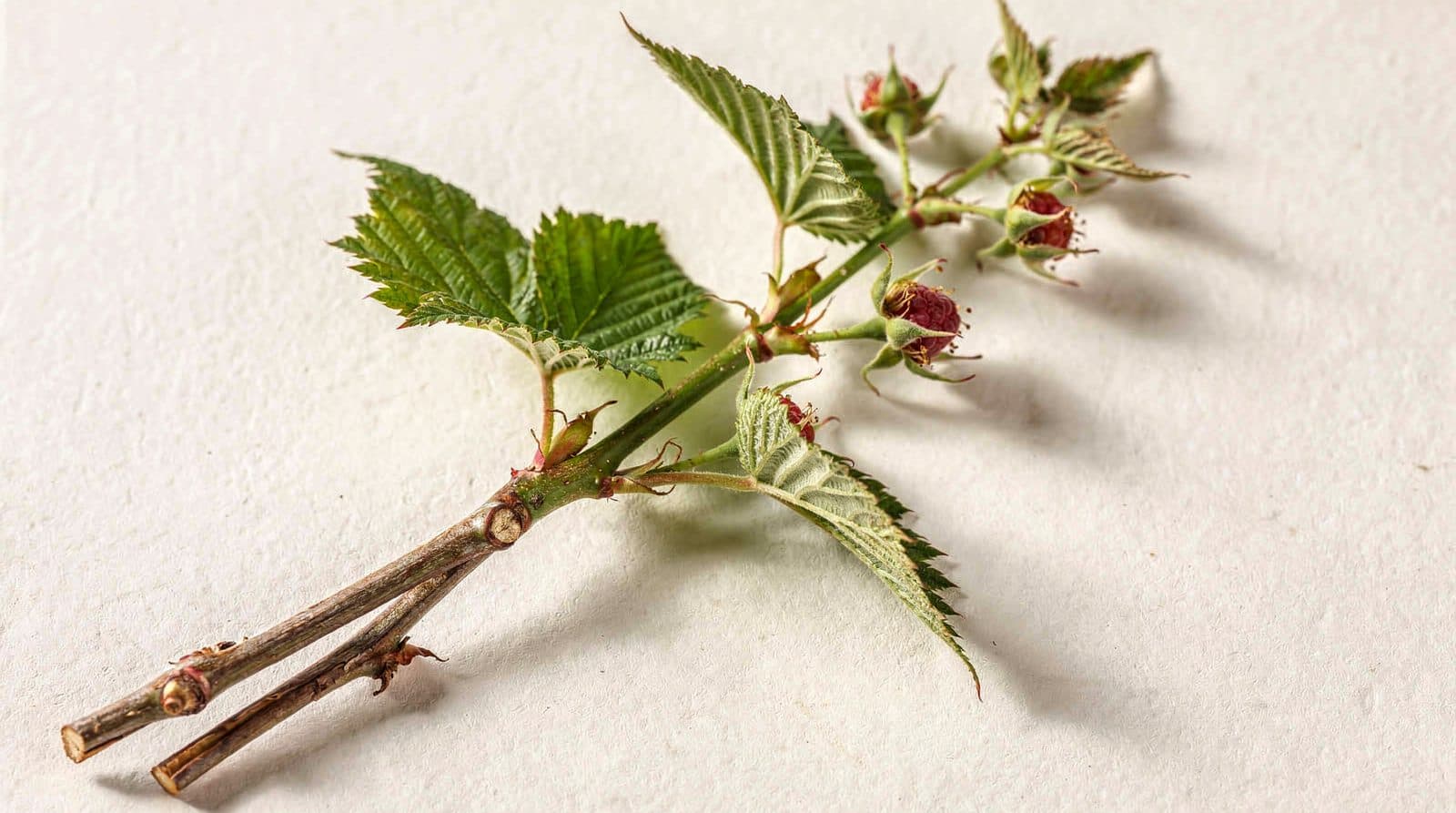
Pruning · Methods, not a promise
Pruning raspberries
Pruning raspberries here is cited cane methods. Those notes are not a harvest cue.
Growing guidance is general information. Timing, spacing, and care depend on cultivar, weather, soil, and local conditions. Check the sources and adjust the plan for your garden.
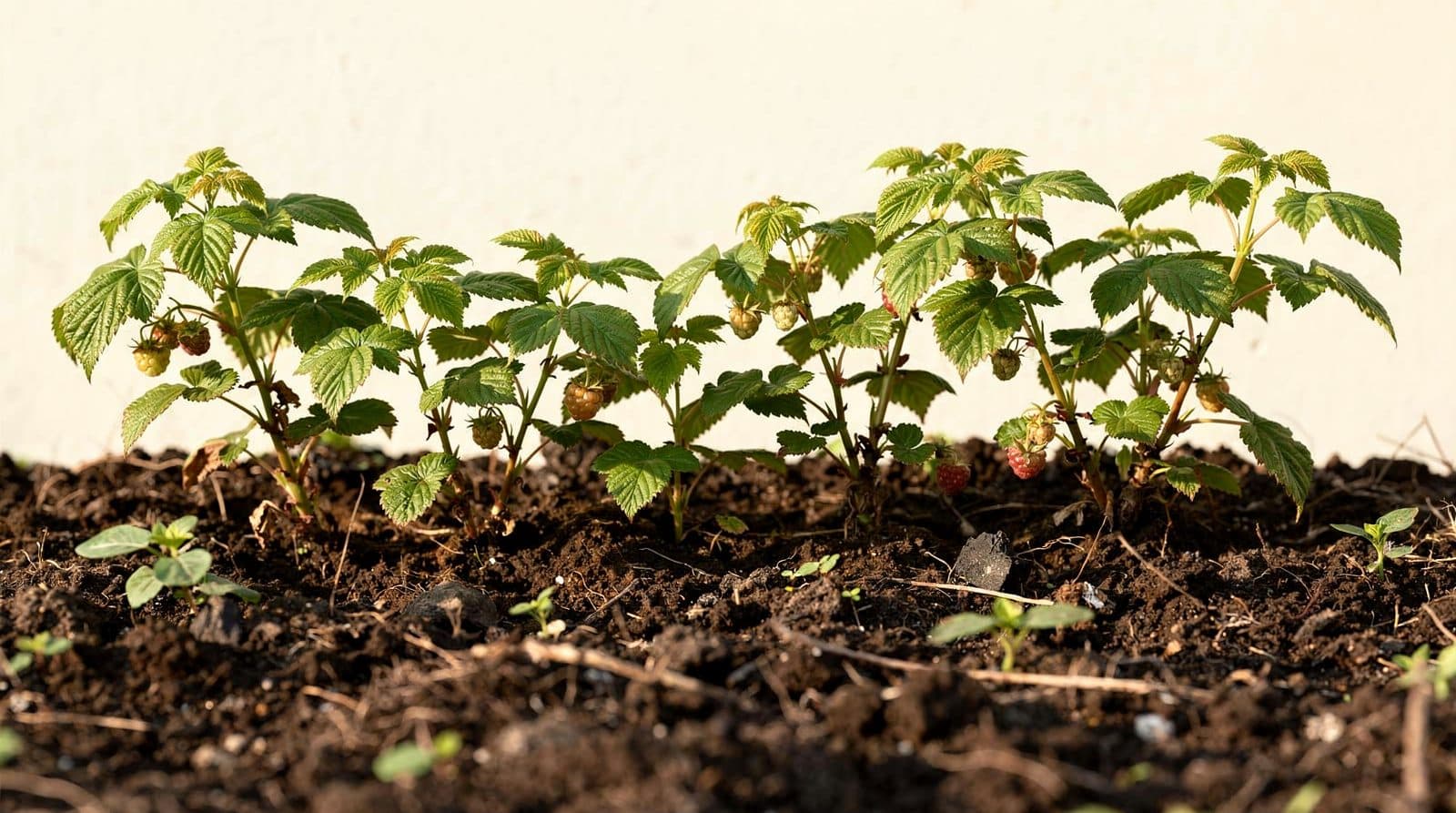
Illustrative photograph — cane methods stay on the cited sheets.
Primocane and floricane notes live on how to grow raspberries.
What the sources say — at a glance
One source per card. Facts are not averaged.
Illinois Extension (Illinois)
Summer-bearing twice a year. Everbearing fall-only option. Purple and black topping.
Details and limits (4)
Method
Illinois Extension (Illinois): the basic rule in summer bearing raspberries is that fruit is produced on the cane in the second year of the cane's growth, then that cane dies and should be removed. Red and yellow raspberries should be pruned twice a year. Early spring pruning should remove weak canes and then a second pruning should be done right after harvest to remove canes that have fruited. Do not summer prune, or what's often called topping, red or yellow raspberries. Method.
Method
Illinois Extension (Illinois): another option with everbearing cultivars is to grow them for a fall crop only. All canes can be removed in late fall so only the fall crop is used. Method.
Method
Illinois Extension (Illinois): purple and black raspberries require pruning three times a year. In addition to spring and after-harvest pruning, they also require summer topping. All new shoots should be pinched back in summer 3 to 4 inches once they have reached desired height. Method.
Limit
Illinois caring-for-raspberries page. Cane-cutting methods only.
University of Minnesota Extension (Minnesota)
Cut fruiting canes to ground. Fall-bearing mow. Black and purple pinch.
Details and limits (4)
Method
University of Minnesota Extension (Minnesota): summer-bearing red and yellow: after the last harvest, cut all canes that have produced fruit to ground level and remove them. Thin primocanes to 4 to 5 sturdy canes per foot of row. Before growth starts in spring, cut the canes to about 12 inches above the support. Method.
Method
University of Minnesota Extension (Minnesota): fall-bearing: if only a fall crop is desired, cut all canes off at the base before growth begins in spring. Method.
Method
University of Minnesota Extension (Minnesota): black and purple: when primocanes are between 24 to 30 inches in height, pinch out the tip of each shoot. After harvest, cut down all canes that bore fruit to ground level. Before growth begins the following spring, cut back all side branches so they are 12 to 18 inches long. Select 4 to 5 canes per hill. Method.
Limit
Minnesota growing-raspberries page. Cane-cutting methods only.
NC State Extension (North Carolina)
Thin 4–6 inches. Everbearing mow. Black raspberry pinch.
Details and limits (3)
Method
NC State Extension (North Carolina): thin fruiting canes in late winter or early spring before they start to grow. Remove all weak canes and thin the strong canes so they are 4–6 inches apart over the width of the row; narrow rows if necessary to 15–18 inches wide. Remove fruiting canes at the end of harvest. Make cuts close to the ground; leave 3 or 4 of the sturdiest canes per ft of row. Method.
Method
NC State Extension (North Carolina): everbearing types may be annually pruned by mowing or cutting off all canes at or slightly below the soil surface late each fall. Black raspberries: summer prune by pinching back in June when new shoots reach 18 to 24 inches. After harvest, remove canes that have just fruited. In winter before growth starts, cut back side branches, leaving two to six buds (8 to 12 inches long) per cane. Method.
Limit
North Carolina raspberries-in-the-home-garden page. Cane-cutting methods only.
University of Maine Cooperative Extension (Maine)
Remove old canes. Thin four to five per foot. Everbearing mow.
Details and limits (3)
Method
University of Maine Cooperative Extension (Maine): in the late winter or early spring, before the buds break, remove all of the old canes that fruited the previous year. These have gray, peeling bark and branches. Maintain a 12- to 18-inch row width. Continue thinning until only four to five canes per foot of row length remain. Method.
Method
University of Maine Cooperative Extension (Maine): everbearing raspberries can be managed to produce only the fall crop. Simply mow all the canes down early each spring. During the summer, cut down any new canes that develop outside the 12- to 18-inch row width and thin the remaining canes to about six inches apart, leaving the sturdiest. Method.
Limit
Maine bulletin 2066 raspberry clauses only. Cane-cutting methods only.
Sources differ
Make it yours
Save the bed in the Field Book so next season is not a guess.
Verified suppliers only
No supplier on this page
When a partner is listed, it will be outbound and disclosed. Nothing to buy here. Fertilizer, soils, and pesticides stay off this slot.
What to record in the Field Book
Save the bed with the crop and the date. You may add a photo and notes. Compare entries you have recorded with each other — not with a diagnosis from this page. If you want an identification, bring the record to local Extension.
How we know — methodology. Ranges and assertions are cited per source, not blended.