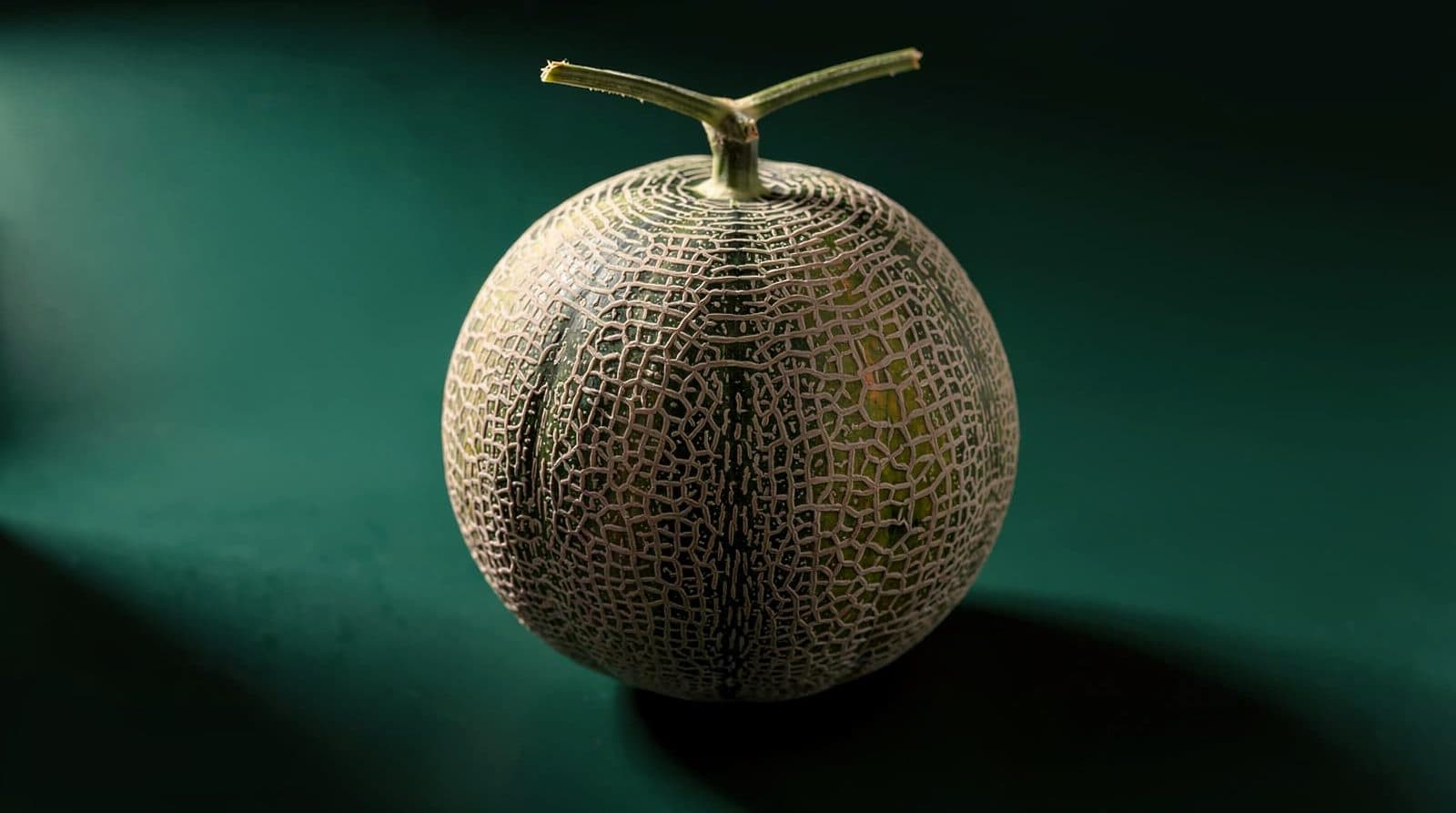
Crop guide
Growing melons
Growing melons here means cantaloupe and honeydew on the cited sheets. Watermelon is a separate crop. There is no single national planting date.
Growing guidance is general information. Timing, spacing, and care depend on cultivar, weather, soil, and local conditions. Check the sources and adjust the plan for your garden.
Steps (range, not a promise)
- 01Know the type on the cited sheet. Cantaloupe and honeydew stay source-specific.
- 02Plant on the cited sheet’s timing. Regional dates stay on their own cards.
- 03Use in-row depth and spacing from one cited source.
- 04Log the bed so next season is not a guess.
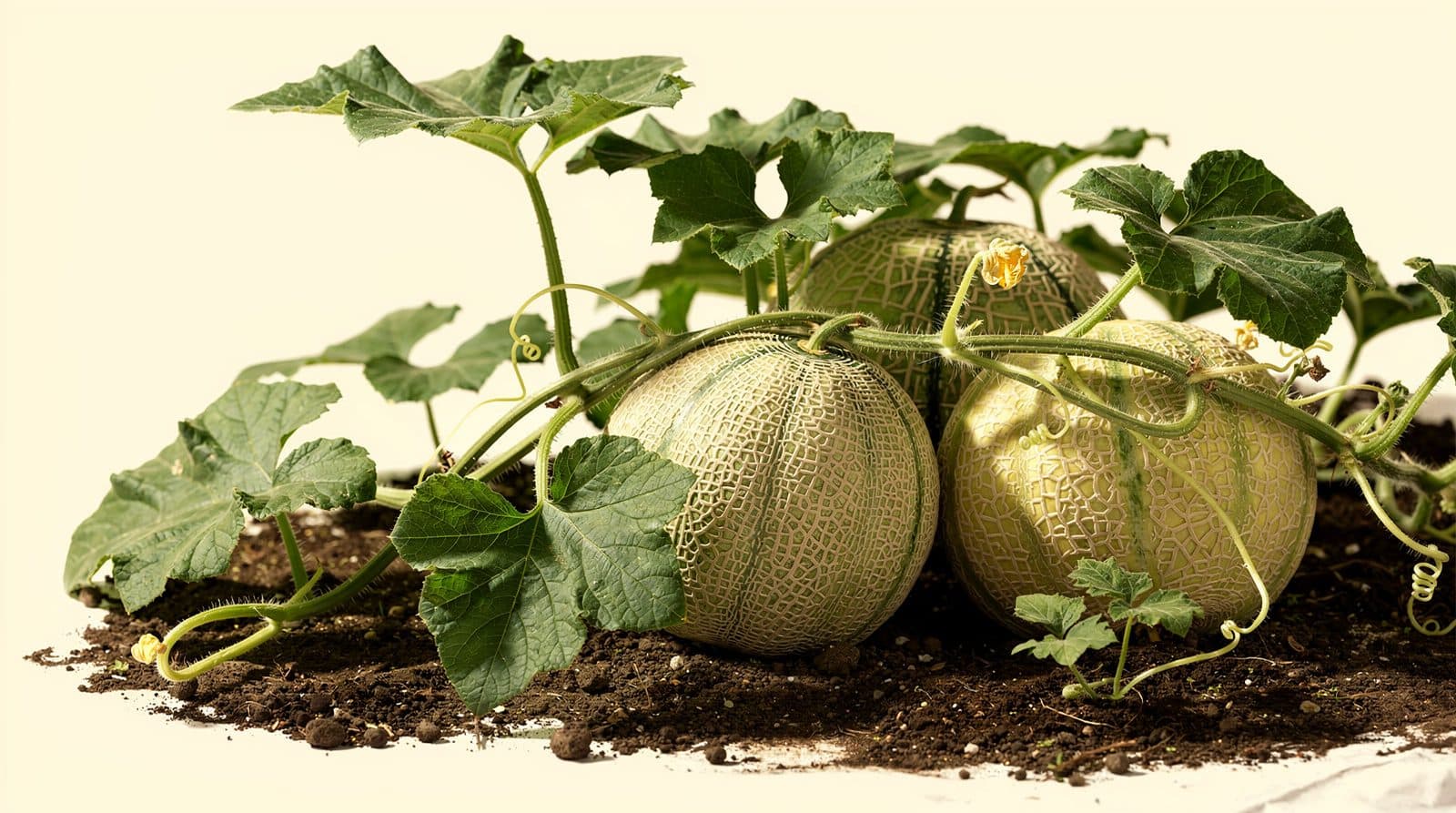
Illustrative photograph — types, timing, and spacing stay on the cited sheets.
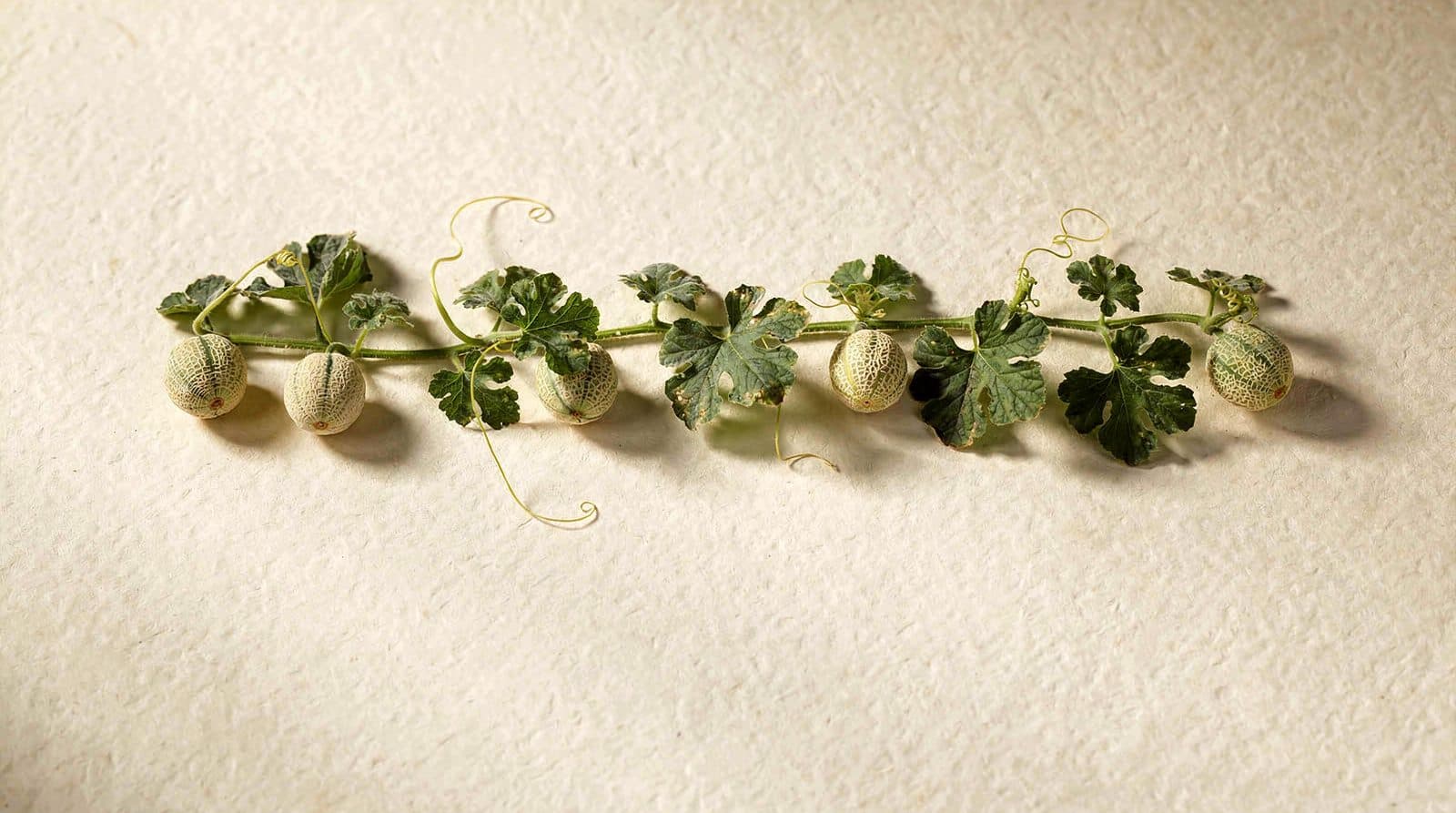
The season, on your ground
Save this bed — freeWhen to plantCareWhen to harvestGarden pests
What the sources say — at a glance
One source per card. Facts are not averaged.
Clemson HGIC 1304 (South Carolina)
Cantaloupe (Cucumis melo) commonly called muskmelon; honeydew another group. Warm-season 65–75 °F. Soil 60–65 °F. After last frost. Rows 6–8 ft; 18–24 in.
Details and limits (4)
Types
Clemson HGIC 1304 (South Carolina): cantaloupe (Cucumis melo) is commonly called muskmelon. In America “cantaloupe” has become the generic name of all netted, musk-scented melons. Honeydew is another group; honeydew melons usually have green or white flesh, although some newer varieties may have orange or pink flesh. Type notes on their sheet — not a cultivar mill.
Timing
Clemson HGIC 1304 (South Carolina): cantaloupe and honeydew are warm-season crops. Average air temperatures between 65 and 75 °F. Clemson lists soil at least 60–65 °F and after-last-frost timing. These melons are very tender. Timing on their sheet — not a national plant date.
Spacing
Clemson HGIC 1304 (South Carolina): plant the melons in rows 6 to 8 feet apart. Transplants or seed should be planted in the rows 18 to 24 inches apart. If starting from seed, plant the seed about ½ to ¾ inch deep. Spacing on their sheet — not a BioArva average.
Limit
South Carolina HGIC 1304. Cantaloupe and honeydew stay on this sheet. Not watermelon and not fertilizer.
Maryland Extension (Maryland)
Very tender. Cucumis melo except watermelon. Muskmelon Reticulatus Group. After frost, soil warm. Indoor 3 weeks. DTM 80–100. 24 in × 60–72 in.
Details and limits (4)
Types
Maryland Extension (Maryland): very tender warm-season annual. Frost will injure top growth; needs warm weather to grow. Melons grown in Maryland, except watermelon, are in the species Cucumis melo. Most of the “cantaloupes” grown in Maryland are actually muskmelons—C. melo (Reticulatus Group). These melons are netted and usually slip from their stems when ripe. Type notes on their sheet — not a cultivar mill. Maryland’s attributed hardiness wording — not a planting-safety promise.
Timing
Maryland Extension (Maryland): direct sow when all danger of frost is past and the soil is warm. Start seeds indoors 3 weeks prior to transplanting. Days to maturity 80 to 100 from transplanting. Maryland timing — not a national plant date.
Spacing
Maryland Extension (Maryland): muskmelon (cantaloupe) 24 inches in-row by 60 to 72 inches between rows. Or plant 2 to 3 plants in hills spaced 6 to 8 feet apart. Spacing on their sheet — not a BioArva average.
Limit
Maryland melons garden page. Muskmelon spacing stays Maryland. Watermelon spacing is not on this hub.
UMN Extension (Minnesota)
Cantaloupe/muskmelon netted, usually orange. Honeydew more cold-sensitive. Mid-May to late June. Soil 65 °F. Seed ½–1 in; 18–24 in; rows 5–6 ft.
Details and limits (4)
Types
UMN Extension (Minnesota): cantaloupe and muskmelon have netted skin, a strong aroma and moist fruit that is usually orange, but may also be green. Watermelon and honeydew are more cold-sensitive than cantaloupe. Type notes on their sheet — not a cultivar mill.
Timing
UMN Extension (Minnesota): you can direct seed or transplant between mid-May in southern Minnesota and late June in northern Minnesota. Plant melon seeds 1 week to 10 days before the last spring frost date; wait until the soil is warm enough. Melon seed germination is best between 70 and 90 °F. Plant only after the soil temperature has reached 65 °F. Minnesota timing — not a national plant date.
Spacing
UMN Extension (Minnesota): plant the seeds ½ to one inch deep. Sow 2 or 3 seeds in groups 18 to 24 inches apart. Space rows 5 to 6 feet apart. After the seedlings emerge, choose the strongest plant in each group and remove the others. Transplants about two feet apart, in rows five feet apart. Spacing on their sheet — not a BioArva average.
Limit
Minnesota melons sheet. Mid-May to late June and 18–24 in stay Minnesota. Not fertilizer.
Illinois Extension (Illinois)
Muskmelon, also cantaloupe: tender, heat-loving. After frost; soil warmed and dried. Indoor 3–4 weeks. Seed 1 in; thin 18–24 in; rows at least 5 ft.
Details and limits (4)
Types
Illinois Extension (Illinois): muskmelon, also known as cantaloupe, is a tender, heat-loving vegetable. Most varieties of muskmelon have a musk smell. Type notes on their sheet — not a cultivar mill. Illinois’s attributed hardiness wording — not a planting-safety promise. Honeydew is not named on this sheet.
Timing
Illinois Extension (Illinois): plant after the danger of frost has passed and the soil has warmed and dried. Start seed for transplants 3 to 4 weeks before planting time. Illinois timing — not a national plant date.
Spacing
Illinois Extension (Illinois): plant seeds one inch deep and thin the seedlings 18 to 24 inches apart or the equivalent (two plants every 36 inches or three plants every 48 inches in the hill system). Space rows at least 5 feet apart. Spacing on their sheet — not a BioArva average.
Limit
Illinois muskmelon page. After-frost timing and 18–24 in stay Illinois. Honeydew is not named here.
Make it yours
Save the bed in the Field Book so next season is not a guess.
Sources differ
When do you plant cantaloupe and honeydew?
Compare timing on the cited sheets. Clemson HGIC 1304 (South Carolina): soil at least 60 to 65 °F and after last frost. Maryland: after frost, soil warm; indoor three weeks before transplant. Minnesota: mid-May south to late June north; soil 65 °F. Illinois: after frost, soil warmed and dried. Not a national plant date.
How far apart do you plant melons?
The sheets do not agree on one grid. Clemson: rows 6 to 8 feet, 18 to 24 inches in-row. Maryland: muskmelon 24 inches by 60 to 72 inches, or hills 6 to 8 feet. Minnesota: 18 to 24 inches, rows 5 to 6 feet. Illinois: 18 to 24 inches, rows at least 5 feet.
What to record in the Field Book
Save the bed with the crop and the date. You may add a photo and notes. Compare entries you have recorded with each other — not with a diagnosis from this page. If you want an identification, bring the record to local Extension.
Verified suppliers only
No supplier on this page
When a partner is listed, it will be outbound and disclosed. Nothing to buy here. Fertilizer, soils, and pesticides stay off this slot.
How we know — methodology. Ranges and assertions are cited per source, not blended.