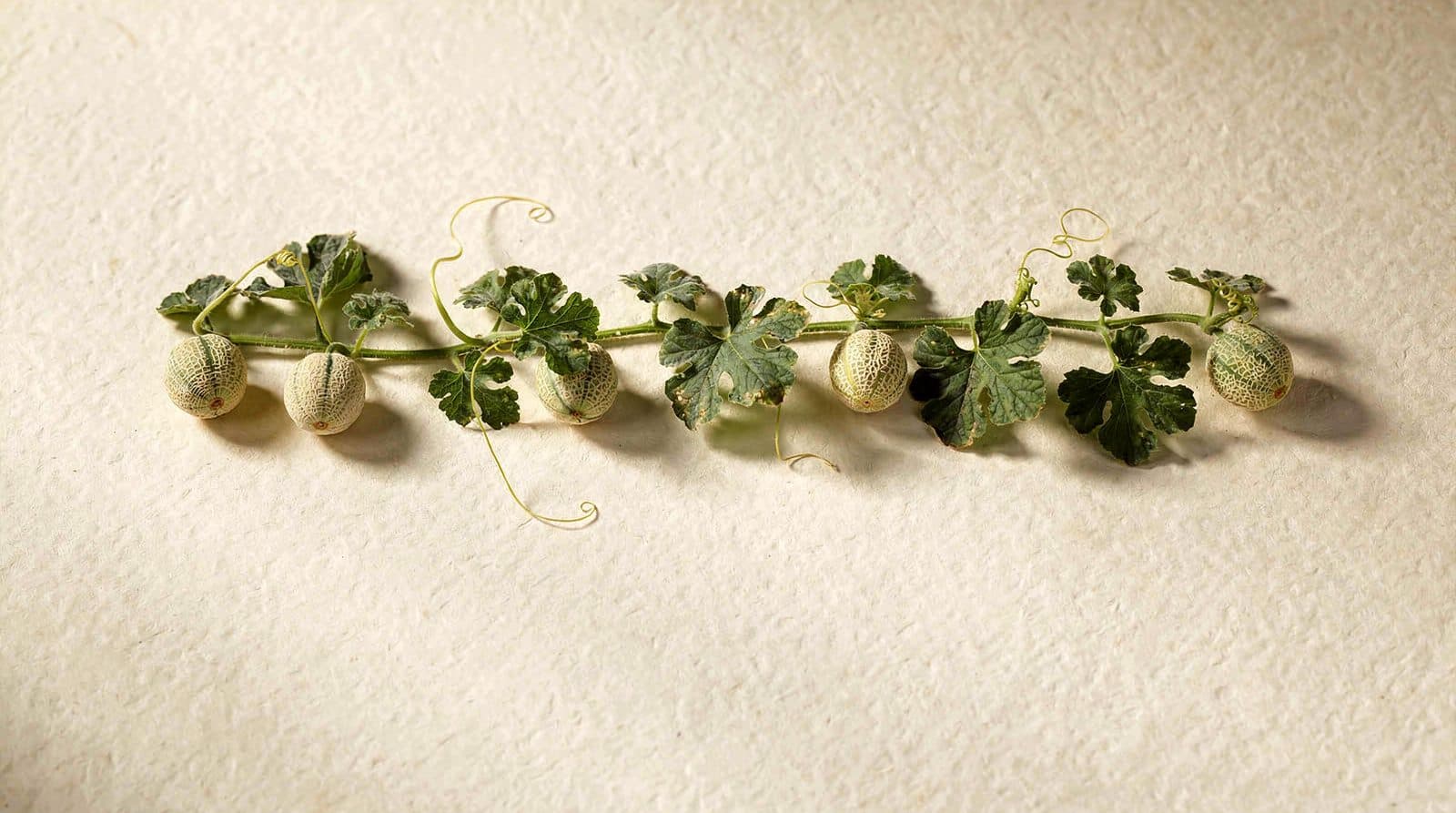
Harvest · Signals, not a promise
When to harvest melons
When to harvest cantaloupe and honeydew here is cited harvest signals. Slip and color cues stay on their own sheets. Those notes are not how long yours keeps. Watermelon is a separate crop.
Growing guidance is general information. Timing, spacing, and care depend on cultivar, weather, soil, and local conditions. Check the sources and adjust the plan for your garden.
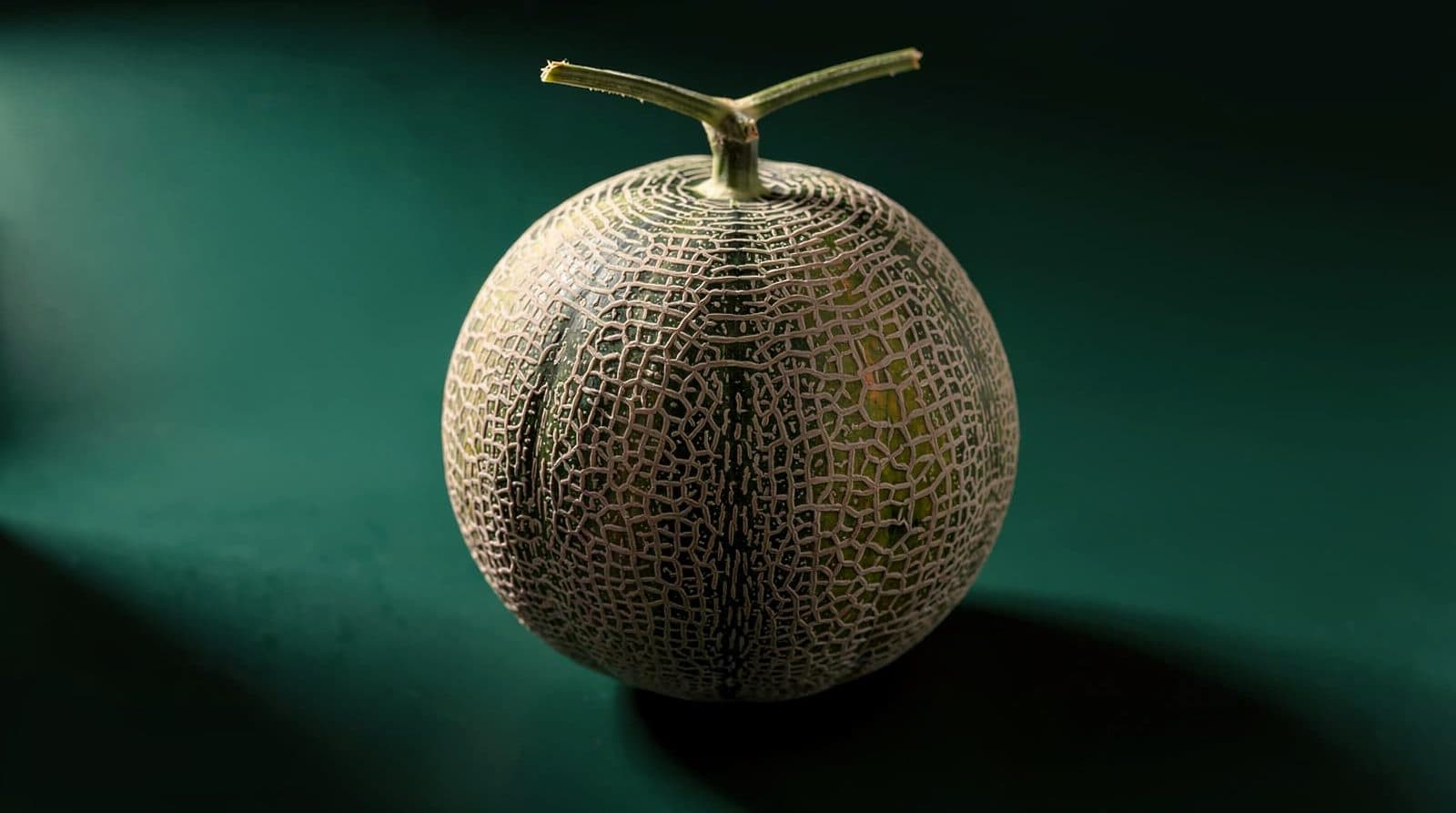
Illustrative photograph — harvest signals stay on the cited sheets.
Growing lives on growing melons. Timing lives on when to plant melons. Care lives on melon plant care.
What the sources say — at a glance
One source per card. Facts are not averaged.
Clemson HGIC 1304 (South Carolina)
Cantaloupe: 30–35 days from pollination. Full slip. Honeydew takes a little longer. Some varieties will not slip; become paler. Cue — not a keeping promise.
Details and limits (3)
Harvest
Clemson HGIC 1304 (South Carolina): about 30 to 35 days are required from fruit pollination to harvest for most cantaloupe varieties. When the stem separates completely, called “full slip,” the cantaloupe fruit has achieved its maximum sugar development. Cue — not a keeping promise.
Harvest
Clemson HGIC 1304 (South Carolina): most honeydew varieties take a little longer. Some honeydew varieties will not slip but will become paler in color. Cue — not a keeping promise.
Limit
South Carolina HGIC 1304. Full-slip and honeydew-paler cues stay on this sheet. Not storage.
Maryland Extension (Maryland)
Netted muskmelons usually slip from their stems when ripe. Cue — not a keeping promise.
Details and limits (2)
Harvest
Maryland Extension (Maryland): most of the “cantaloupes” grown in Maryland are actually muskmelons. These melons are netted and usually slip from their stems when ripe. Cue — not a keeping promise.
Limit
Maryland melons garden page. Slip-when-ripe cue stays Maryland. Watermelon harvest is not on this page.
UMN Extension (Minnesota)
Cantaloupe 35–45 days after flowering. Coarse netting. Green to yellow. Tendrils brown. Twist gently. Honeydew does not slip. Cue — not a keeping promise.
Details and limits (4)
Harvest
UMN Extension (Minnesota): cantaloupe requires 35 to 45 days to mature after flowering, depending on the temperature. The netting on the skin surface becomes coarse and rough. The background color of the fruit turns from green to yellow and loses its shine. The tendrils on the stem dry and turn brown. Cue — not a keeping promise.
Method
UMN Extension (Minnesota): harvest by twisting the fruit gently. At full maturity the fruit breaks away from the vine easily if slightly twisted. Do not wait for the melons to separate from the vine on their own. Method on their sheet — not a keeping promise.
Harvest
UMN Extension (Minnesota): identifying ripe honeydew is more difficult, since they do not slip from the vine. Tendrils near the fruit stem become brown and dry. The fruit surface becomes rough to the touch. The fruit color becomes dull. Cue — not a keeping promise.
Limit
Minnesota melons sheet. Slip, twist, and honeydew cues stay Minnesota. Not storage.
Sources differ
Make it yours
Save the bed in the Field Book so next season is not a guess.
Verified suppliers only
No supplier on this page
When a partner is listed, it will be outbound and disclosed. Nothing to buy here. Fertilizer, soils, and pesticides stay off this slot.
How do you know when a cantaloupe is ready to harvest?
Compare harvest signals on the cited sheets. Clemson HGIC 1304 (South Carolina): 30 to 35 days from pollination; full slip. Maryland: netted muskmelons usually slip when ripe. Minnesota: 35 to 45 days after flowering; coarse netting; green to yellow; brown tendrils; twist gently.
Do honeydew and cantaloupe use the same cue?
No. Clemson says some honeydew varieties will not slip but become paler. Minnesota says honeydew does not slip; brown tendrils, dull color, rough surface. Cantaloupe slip stays on the cards that name it. Three cards — not averaged.
How we know — methodology. Ranges and assertions are cited per source, not blended.