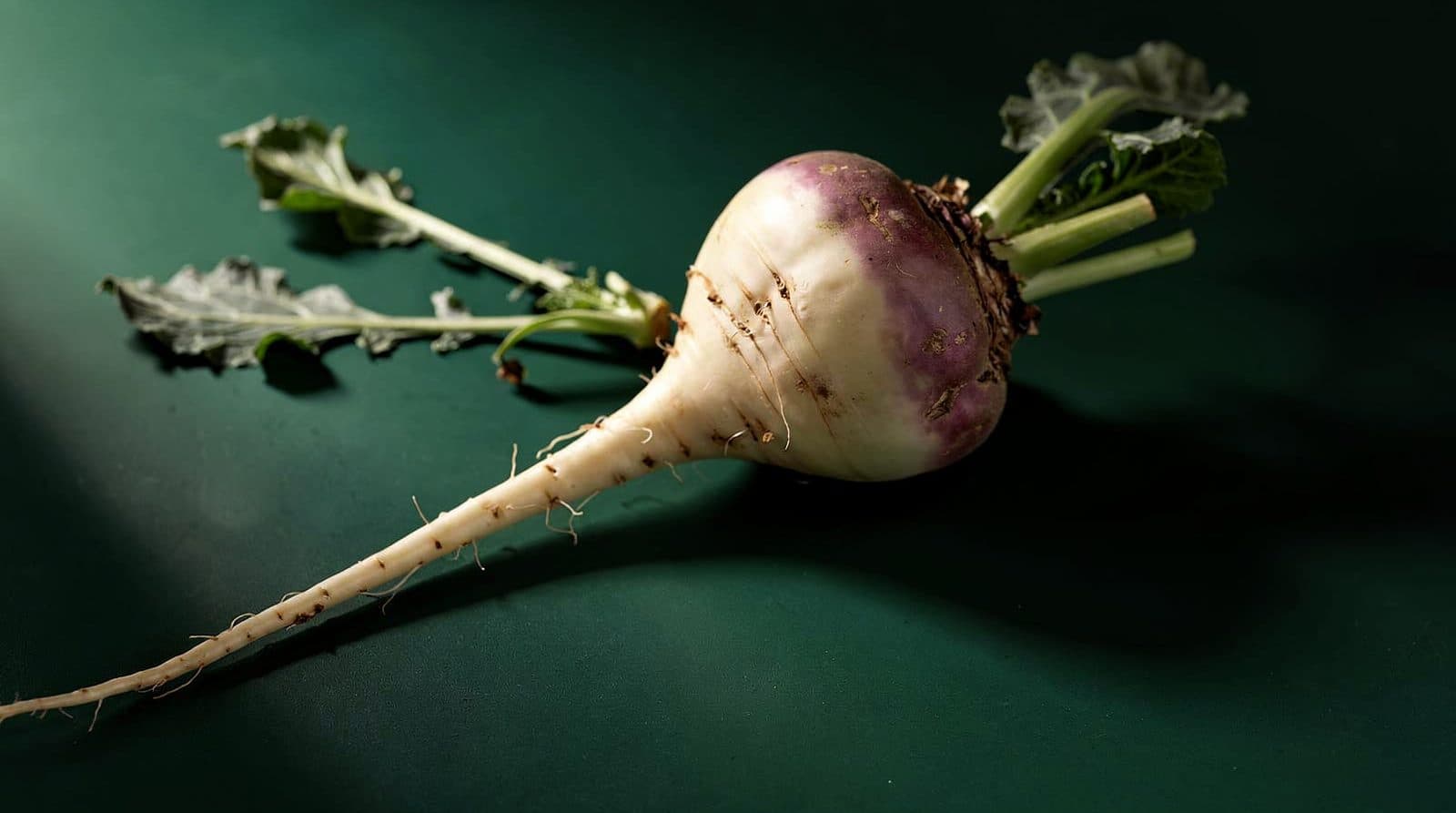
Crop guide
How to grow rutabaga
How to grow rutabaga means matching cited spacing notes to your bed, keeping sources separate by geography. There is no single trick.
Growing guidance is general information. Timing, spacing, and care depend on cultivar, weather, soil, and local conditions. Check the sources and adjust the plan for your garden.
Steps (range, not a promise)
- 01Read cited spacing notes — they are not one BioArva average.
- 02Match depth notes to the sheet for your geography.
- 03Log the bed so next season is not a guess.
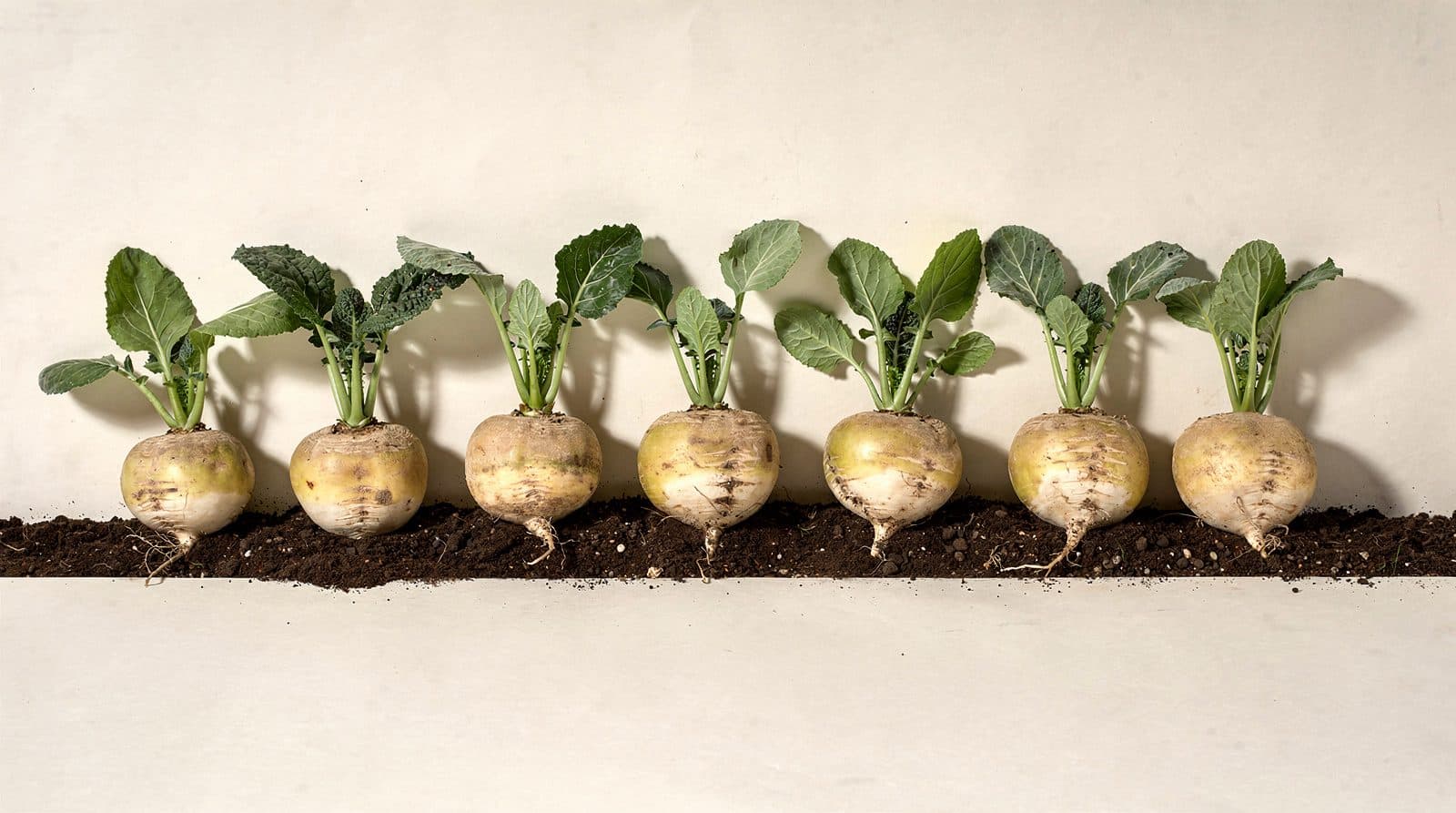
Rutabaga in a home garden bed.
The season, on your ground
Save this bed — freeWhat the sources say — at a glance
One source per card. Facts are not averaged.
UMN Extension (Minnesota)
Brassica napus. One to two inches. Thin to eight inches.
Details and limits (3)
Types
UMN Extension (Minnesota): rutabaga (Brassica napus).
Spacing
UMN Extension (Minnesota): plant seeds one to two inches apart in rows 18 to 30 inches apart. Thin rutabagas to an eight-inch spacing.
Limit
Minnesota rutabaga clauses only.
Clemson HGIC 1324 (South Carolina)
¼ to ½ inch deep. Space 2 to 3 inches.
Details and limits (2)
Spacing
Clemson HGIC 1324 (South Carolina): sow rutabaga seed ¼ to ½ inch deep. Space plants 2 to 3 inches apart in the row. Source-bound depth and spacing.
Limit
South Carolina HGIC 1324. Rutabaga depth and spacing only.
Make it yours
Save the bed in the Field Book so next season is not a guess.
Sources differ
Verified suppliers only
No supplier on this page
When a partner is listed, it will be outbound and disclosed. Nothing to buy here. Fertilizer, soils, and pesticides stay off this slot.
What to record in the Field Book
Save the bed with the crop and the date. You may add a photo and notes. Compare entries you have recorded with each other — not with a diagnosis from this page. If you want an identification, bring the record to local Extension.
How we know — methodology. Ranges and assertions are cited per source, not blended.