Crop guide
How to grow dill
How to grow dill means matching cited annual and taproot notes to your bed, keeping sources separate by geography. There is no single trick.
Growing guidance is general information. Timing, spacing, and care depend on cultivar, weather, soil, and local conditions. Check the sources and adjust the plan for your garden.
Steps (range, not a promise)
- 01Read cited annual notes — feathery foliage and taproot stay source-specific.
- 02Match height and transplant notes to the sheet for your geography.
- 03Log the bed so next season is not a guess.
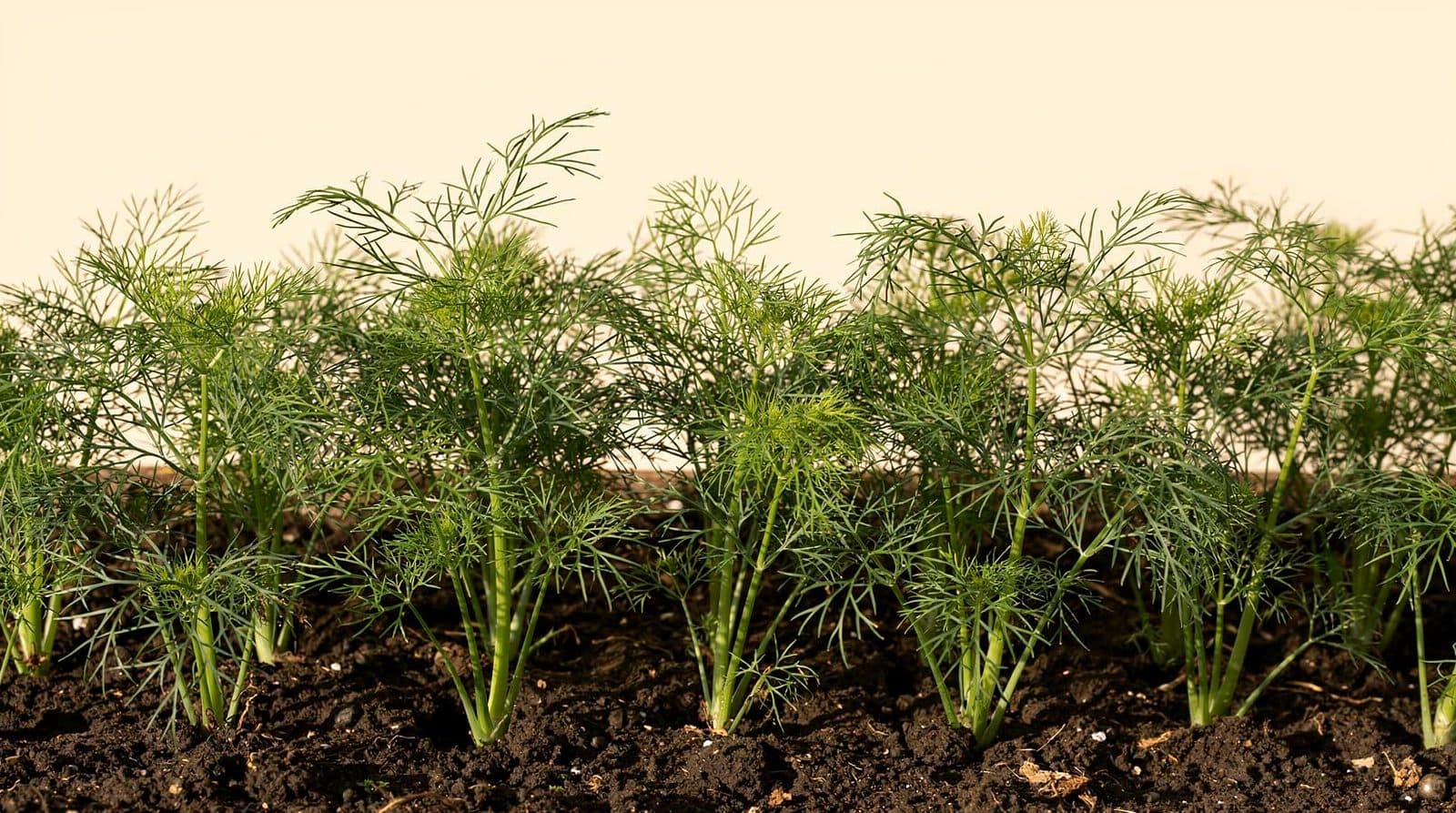
Dill plants in a home garden bed.
The season, on your ground
Save this bed — freeWhen to plantHarvestGarden pests
What the sources say — at a glance
One source per card. Facts are not averaged.
Illinois Extension (Illinois)
Tall annual. Feathery foliage. Taproot hard to transplant.
Details and limits (3)
Types
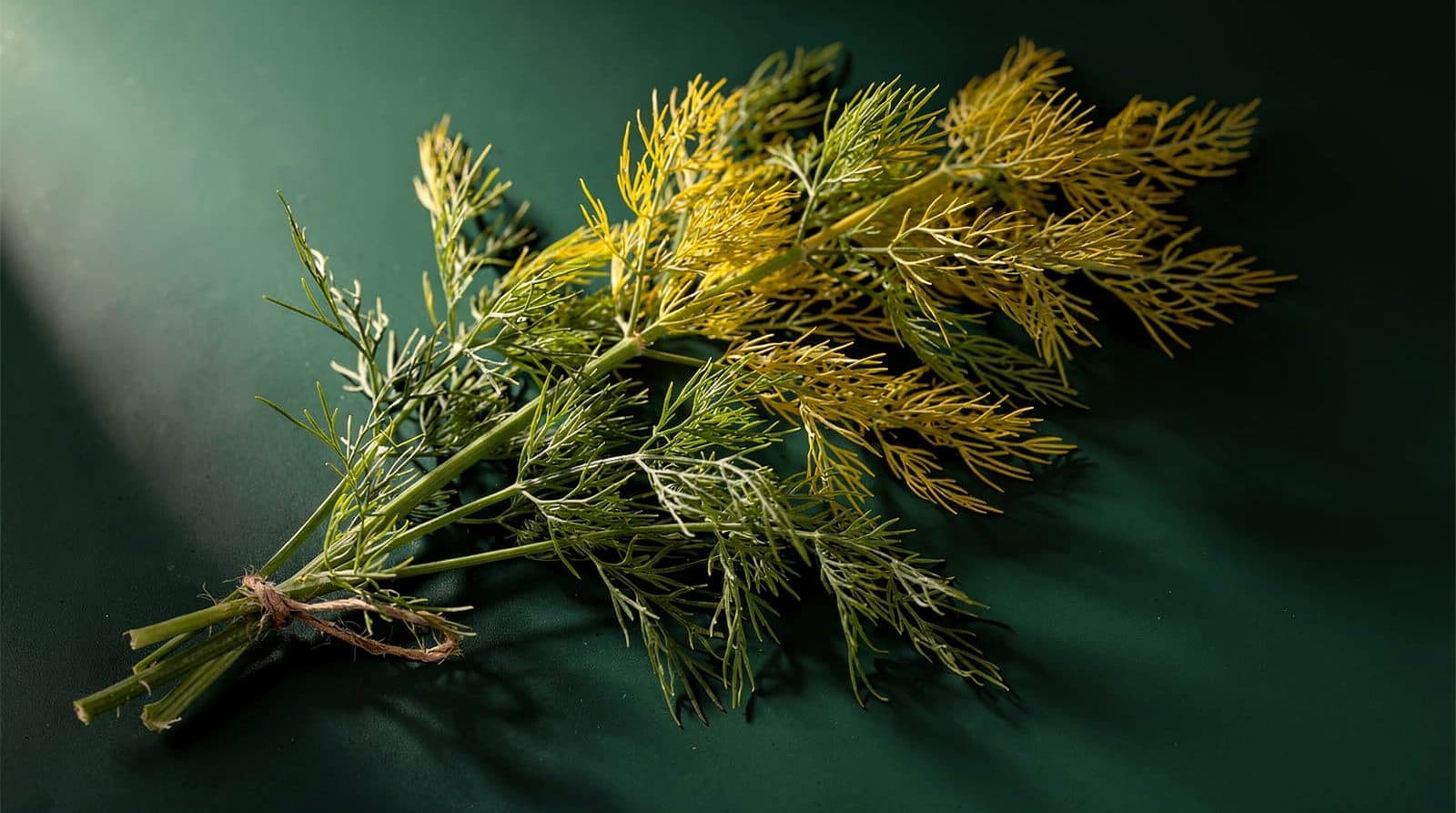
Illinois Extension (Illinois): dill is a tall herb with fine, feathery foliage. Foliage color can range from dark green to a blue-green. In mid-summer, dill will produce large, flat topped yellow flower clusters. Identification.
Types
Illinois Extension (Illinois): annual. The taproot system makes it difficult to transplant successfully. Identification.
Limit
Illinois herbs dill page. Identification only — not a start calendar.
Maryland Extension (Maryland)
Annual. Bluish-green stems. 2 to 3 feet.
Details and limits (2)
Types
Maryland Extension (Maryland): dill (Anethum graveolens) has bluish-green stems, finely divided yellow-green plume-like leaves, and yellowish flowers. Dill grows about 2 to 3 feet tall. Identification.
Limit
Maryland dill page. Identification only — not harvest.
University of Minnesota Extension (Minnesota)
Tender annual. Carrot family. Does not transplant easily.
Details and limits (2)
Types
University of Minnesota Extension (Minnesota): dill, Anethum graveolens, is a tender annual in the carrot family (Apiaceae). Dill does not transplant easily. Identification.
Limit
Minnesota growing-dill page. Identification only — not harvest.
Clemson HGIC (South Carolina)
Cool-weather annual. Readily self-seeds.
Details and limits (2)
Types
Clemson HGIC (South Carolina): dill is a cool-weather annual that readily self-seeds. Identification.
Limit
South Carolina combined herbs sheet. Dill identification only — not harvest.
Make it yours
Save the bed in the Field Book so next season is not a guess.
Sources differ
Verified suppliers only
No supplier on this page
When a partner is listed, it will be outbound and disclosed. Nothing to buy here. Fertilizer, soils, and pesticides stay off this slot.
What to record in the Field Book
Save the bed with the crop and the date. You may add a photo and notes. Compare entries you have recorded with each other — not with a diagnosis from this page. If you want an identification, bring the record to local Extension.
How we know — methodology. Ranges and assertions are cited per source, not blended.