Crop guide · Care
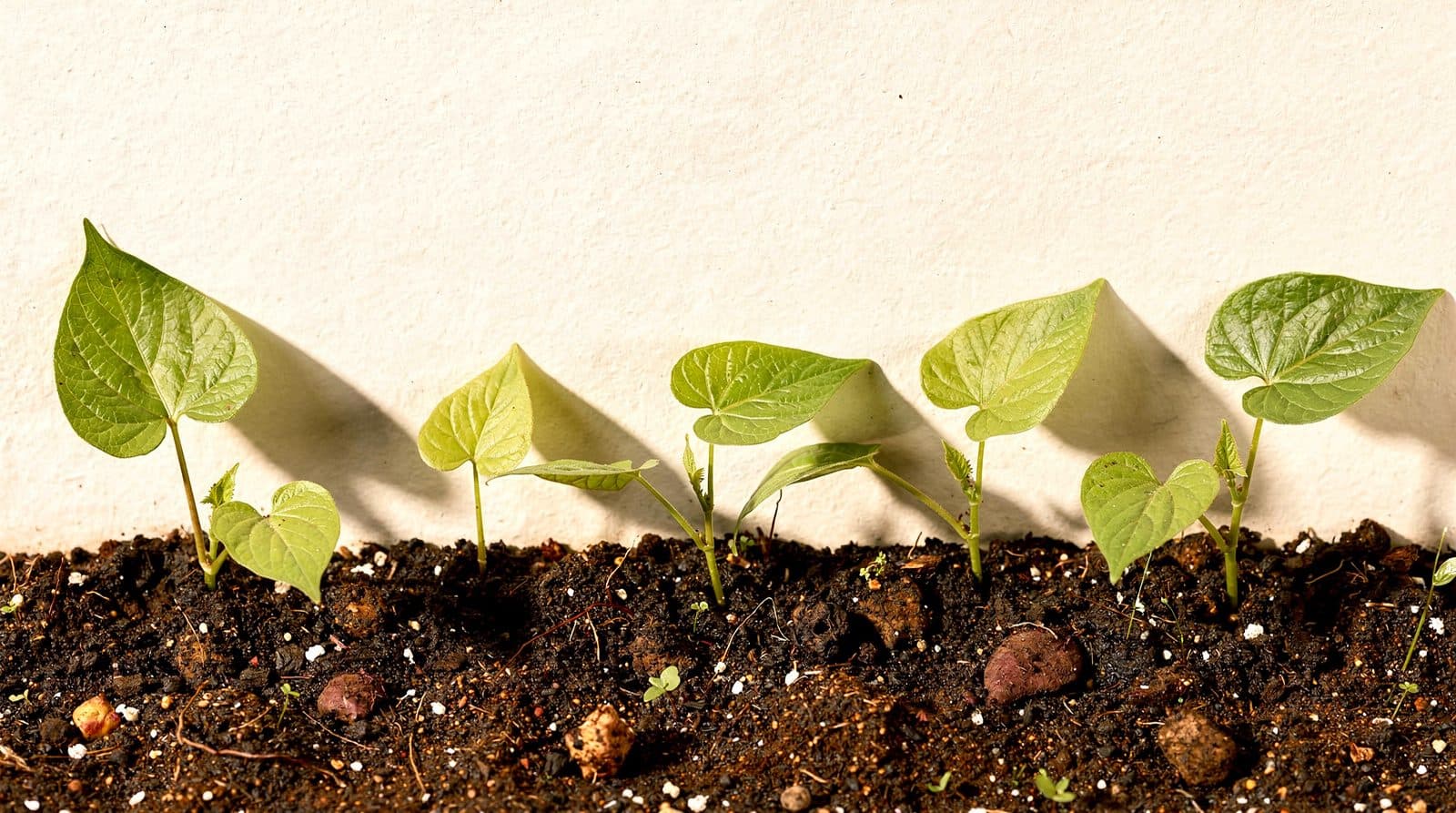
Sweet potato plant care
In-season sweet potato care here is water and method notes — not a fertilizer program. Cited amounts and methods stay on their own sheets.
Growing guidance is general information. Timing, spacing, and care depend on cultivar, weather, soil, and local conditions. Check the sources and adjust the plan for your garden.
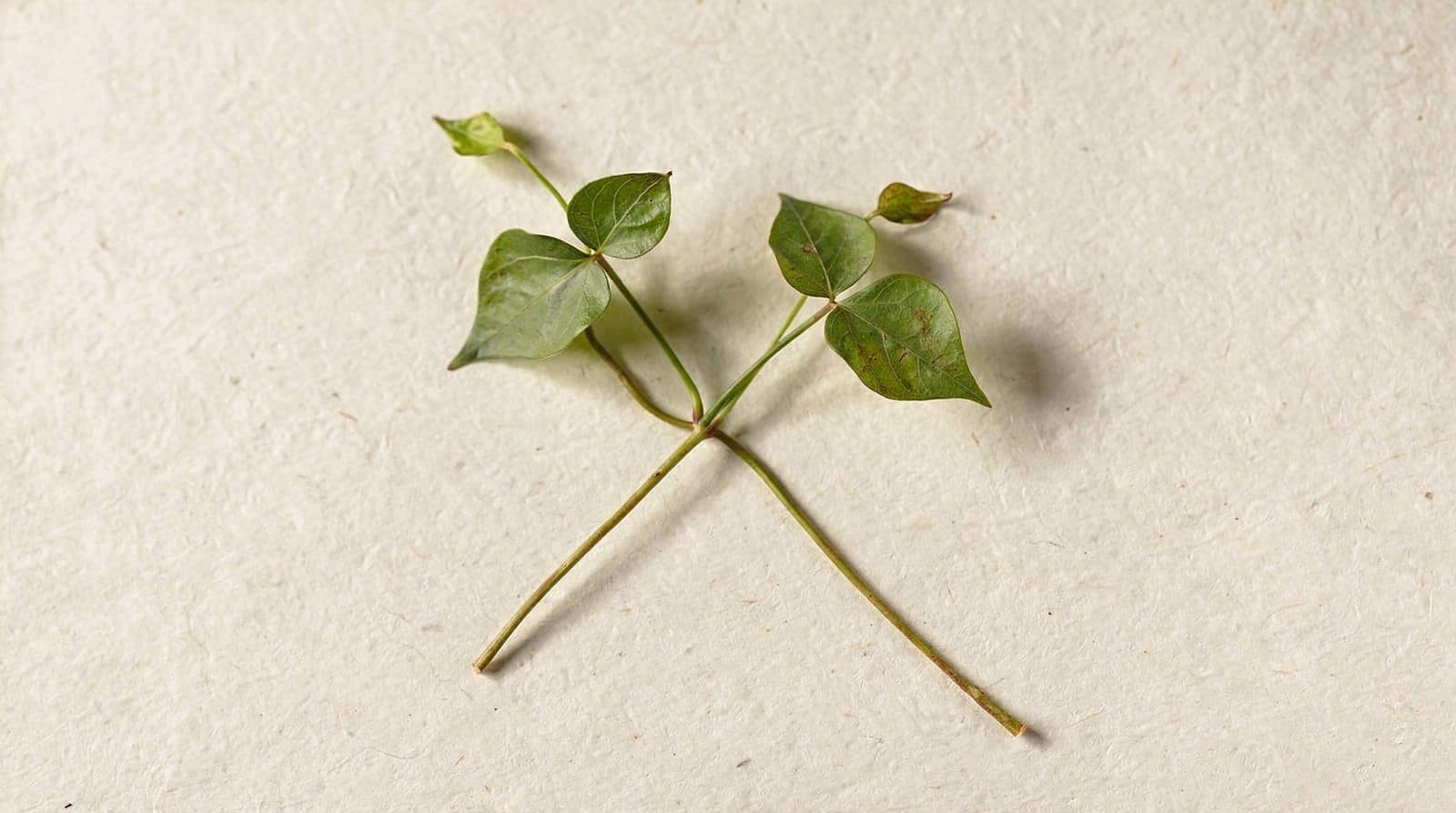
Water notes are source-specific — not a BioArva schedule.
Types and spacing live on growing sweet potatoes.
What the sources say — at a glance
One source per card. Facts are not averaged.
Clemson HGIC 1322 (South Carolina)
At least 1 in per week. Moisten to at least 6 in. Ridges in Coastal and Piedmont. Do not ridge if sandy in Central. Cultivate shallowly.
Details and limits (3)
Water
Clemson HGIC 1322 (South Carolina): uniform watering with at least 1 inch of rainfall or irrigation water per week. Water sufficiently to moisten the soil to a depth of at least 6 inches. Water is especially vital during transplant establishment and root development. Clemson watering — not a BioArva schedule.
Method
Clemson HGIC 1322 (South Carolina): plant on ridges in the Coastal and Piedmont areas. In the Central part of the state, do not plant in ridges if the soil is sandy. Cultivate shallowly. Method on their sheet — not a quality promise.
Limit
South Carolina HGIC 1322. Watering and ridges stay Clemson. Clemson’s sheet does not provide a mulch note for this page. Not fertilizer.
Maryland Extension (Maryland)
Uniform moisture. Deeply during dry periods. Do not keep soil saturated. Hand or hoe until the plant begins to grow.
Details and limits (3)
Water
Maryland Extension (Maryland): keep plants uniformly supplied with moisture. Water deeply and regularly during dry periods. Do not keep the soil saturated. Maryland watering — not a BioArva schedule.
Method
Maryland Extension (Maryland): remove weed seedlings by hand or with a hoe until the plant begins to grow. Method on their sheet — not a weed-control outcome. Maryland’s sheet does not provide a mulch note for this page.
Limit
Maryland growing-sweet-potatoes sheet. Uniform moisture stays Maryland. Not fertilizer.
Illinois Extension (Illinois)
Irrigate if an extended drought occurs. Black plastic as soil-heat method.
Details and limits (3)
Water
Illinois Extension (Illinois): irrigate if an extended drought occurs. Illinois watering — not a BioArva schedule.
Method
Illinois Extension (Illinois): black plastic mulch can be a good way to capture and store more of the sun’s heat in the soil under the plastic cover. Method on their sheet — not a quality promise.
Limit
Illinois sweet-potato page. Drought irrigation and black plastic stay Illinois. Not fertilizer.
Sources differ
Make it yours
Save the bed in the Field Book so next season is not a guess.
Verified suppliers only
No supplier on this page
When a partner is listed, it will be outbound and disclosed. Nothing to buy here. Fertilizer, soils, and pesticides stay off this slot.
What to record in the Field Book
Save the bed with the crop and the date. You may add a photo and notes. Compare entries you have recorded with each other — not with a diagnosis from this page. If you want an identification, bring the record to local Extension.
How we know — methodology. Ranges and assertions are cited per source, not blended.