
Planting timing · Frost-anchored
When to plant sweet corn
Plant sweet corn when soil has warmed on the cited sheets — not on a national calendar month. Regional dates stay source-specific.
Growing guidance is general information. Timing, spacing, and care depend on cultivar, weather, soil, and local conditions. Check the sources and adjust the plan for your garden.
Your window
Use your last-spring-frost history — not a national month.
A ZIP calculator is not live on this page. Save the bed to store the window you actually used.
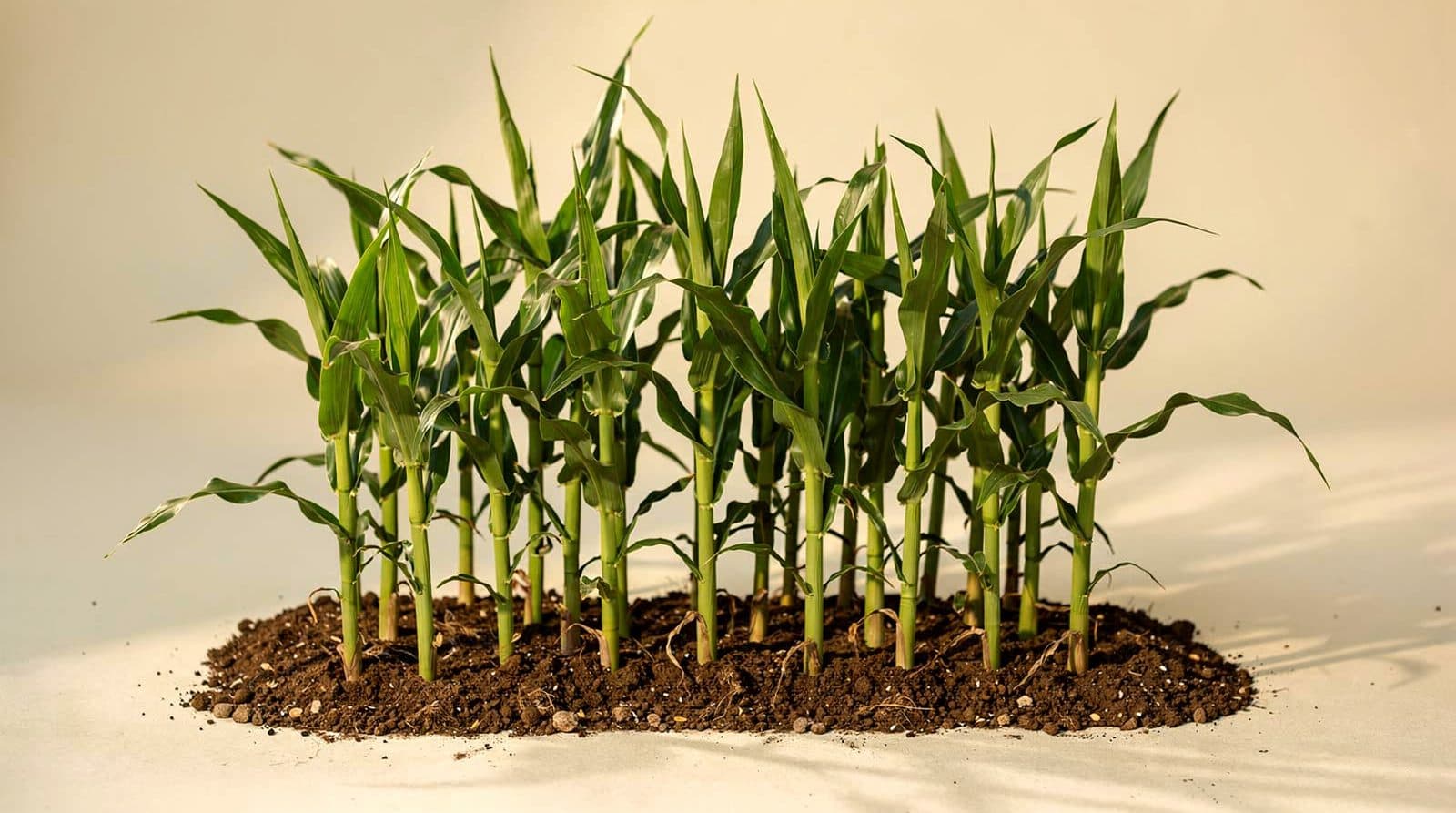
Sow after frost risk at your site. Spacing lives on the sweet corn hub.
Types and spacing live on growing sweet corn.
What the sources say — at a glance
One source per card. Facts are not averaged.
Clemson HGIC 1308 (South Carolina)
Warm-season 60–80 °F. Soil ≥50 °F at 4 in; extra-sweet 65 °F. Piedmont Mar 30–May 31; Coastal Mar 1–Apr 15. Early/mid/late or every 10–14 days.
Details and limits (4)
Timing
Clemson HGIC 1308 (South Carolina): warm-season crop that grows best at 60 to 80 °F. Do not plant before the soil temperature at the 4-inch depth is at least 50 °F. Wait to plant extra-sweet varieties until soil temperatures reach 65 °F. Timing on their sheet — not a national plant date.
Regions
Clemson HGIC 1308 (South Carolina): spring planting dates on their sheet — Piedmont March 30 to May 31; Coastal March 1 to April 15. South Carolina gardening regions — not a national plant date.
Succession
Clemson HGIC 1308 (South Carolina): plant early, mid-, and late season varieties or make successive plantings of the same variety every 10 to 14 days. Clemson succession — not a BioArva calendar.
Limit
South Carolina HGIC 1308. Soil temps, Piedmont/Coastal dates, and 10–14 day succession stay on this sheet. Not a ZIP calendar.
Maryland Extension (Maryland)
Very tender. After frost; super-sweet soil 65 °F. DTM 63–100. Early/mid/late; every 2 weeks or 3–4 leaves. July = quickest-maturing.
Details and limits (4)
Timing
Maryland Extension (Maryland): very tender warm-season annual. Frost will injure top growth; needs warm weather to grow. Seed after the danger of frost is past; super-sweet varieties should be planted when soil temperatures reach 65 °F. Timing on their sheet — not a national plant date.
Maturity
Maryland Extension (Maryland): days to maturity 63 to 100. Source range — not how long yours takes.
Succession
Maryland Extension (Maryland): plant early-, mid-, and late-season varieties. Successive plantings of the same variety can be made every two weeks or when the previous planting has three to four leaves. Use only the quickest maturing cultivars for July plantings. Maryland succession — not a national plant date.
Limit
Maryland sweet corn garden page. Frost wording, 63–100 days, and succession stay Maryland. Not a ZIP calendar.
UMN Extension (Minnesota)
After soil warms. ~60 °F; untreated ≥65 °F. Isolate by time ≥2 weeks vs listed DTM, or plant one variety earlier. Minnesota — not a national date.
Details and limits (3)
Timing
UMN Extension (Minnesota): direct seed after the soil has warmed. Seeds germinate best when soil temperatures are close to 60 °F. If you use untreated seed, be sure garden soil is at least 65 °F. Minnesota timing — not a national plant date.
Isolation
UMN Extension (Minnesota): do not isolate types by time with less than two weeks until the given days to maturity in the variety description. You can also plant one variety earlier than another. Minnesota’s isolation-by-time note — source-specific, not a BioArva calendar.
Limit
Minnesota sweet corn sheet. Soil-warmed, 60/65 °F, and two-week isolation stay Minnesota. Not a ZIP calendar.
Illinois Extension (Illinois)
Standard >55 °F; supersweet ~65. Mean frost-free date. Early + second-early + main-crop; successive at 3–4 leaves; to first week of July.
Details and limits (3)
Timing
Illinois Extension (Illinois): warm soil for germination — above 55 °F for standard varieties and about 65 °F for supersweet. Early plantings of standard sweet corn at, or just before, the mean frost-free date. Illinois timing on their sheet — not a national plant date.
Succession
Illinois Extension (Illinois): plant an early variety, a second early variety, and a main-crop variety in the first planting. Make a second planting and successive plantings of a main-crop or late variety when three to four leaves have appeared on the seedlings in the previous planting. Plantings can be made as late as the first week of July. Illinois succession on their sheet — not a national plant date.
Limit
Illinois corn page. Frost-free date and first week of July stay Illinois. Not a ZIP calendar.
Sources differ
Make it yours
Save the bed in the Field Book so next season is not a guess.
Verified suppliers only
No supplier on this page
When a partner is listed, it will be outbound and disclosed. Nothing to buy here. Fertilizer, soils, and pesticides stay off this slot.
When do you plant sweet corn?
Compare soil and frost cues on the cited sheets. Clemson HGIC 1308 (South Carolina): soil at 4 inches at least 50 °F; extra-sweet 65 °F; Piedmont March 30 to May 31; Coastal March 1 to April 15. Maryland: after frost danger; super-sweet soil 65 °F. Minnesota: after the soil has warmed; about 60 °F. Illinois: standard above 55 °F, supersweet about 65 °F; mean frost-free date.
How late can you plant sweet corn?
Compare succession on the cited sheets. Clemson: early, mid-, and late season, or every 10 to 14 days. Maryland: every two weeks or when the previous planting has three to four leaves; July plantings, quickest-maturing only. Illinois: as late as the first week of July on that sheet — not a national date. Maryland days to maturity 63 to 100 is a source range, not how long yours takes.
What to record in the Field Book
Save the bed with the crop and the date. You may add a photo and notes. Compare entries you have recorded with each other — not with a diagnosis from this page. If you want an identification, bring the record to local Extension.
How we know — methodology. Ranges and assertions are cited per source, not blended.