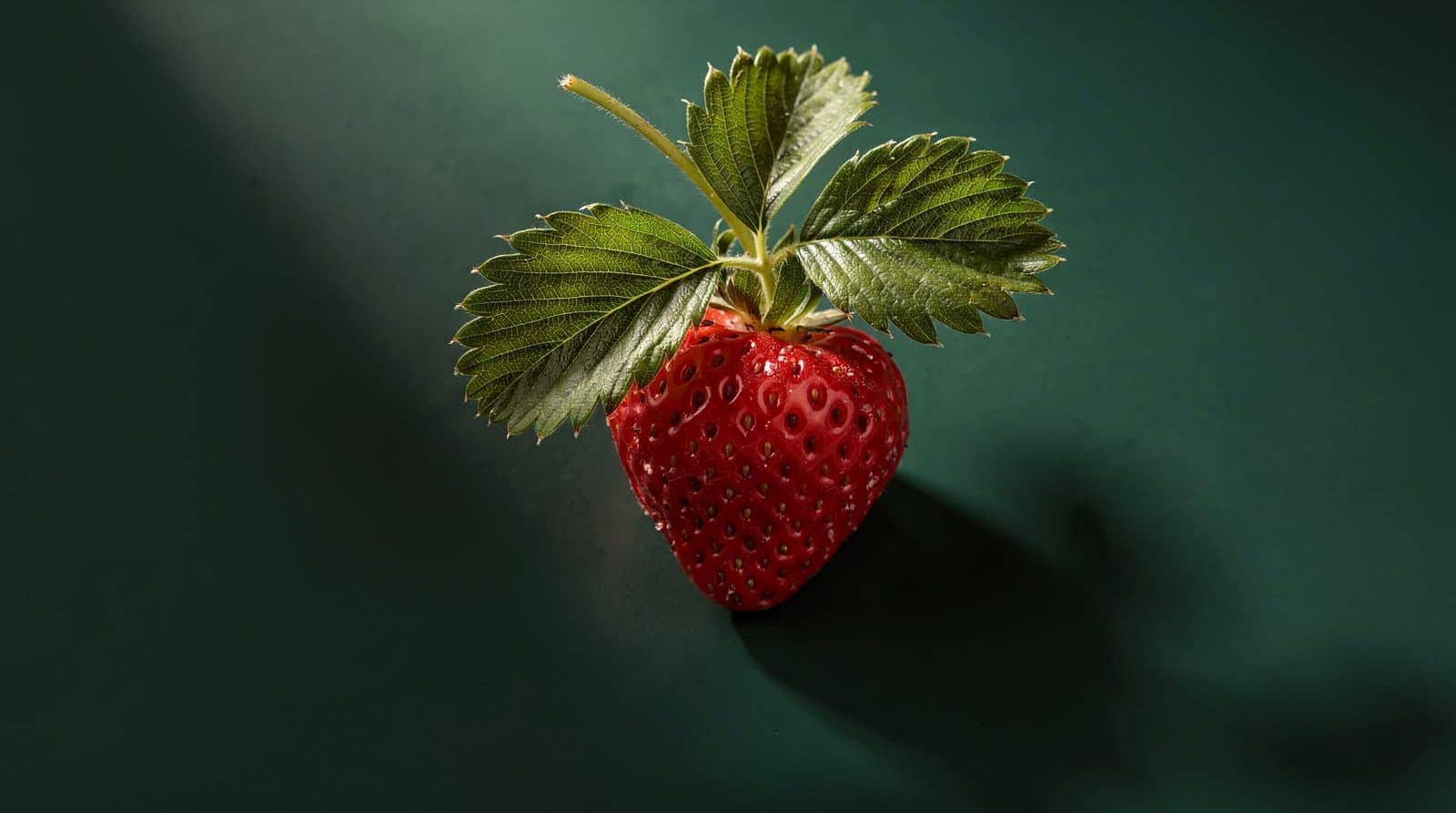
Harvest · Signals, not a promise
When to harvest strawberries
When to harvest strawberries here is cited pick-stage cues, then source-separated bird and frost methods. Those methods are not a protection guarantee.
Growing guidance is general information. Timing, spacing, and care depend on cultivar, weather, soil, and local conditions. Check the sources and adjust the plan for your garden.
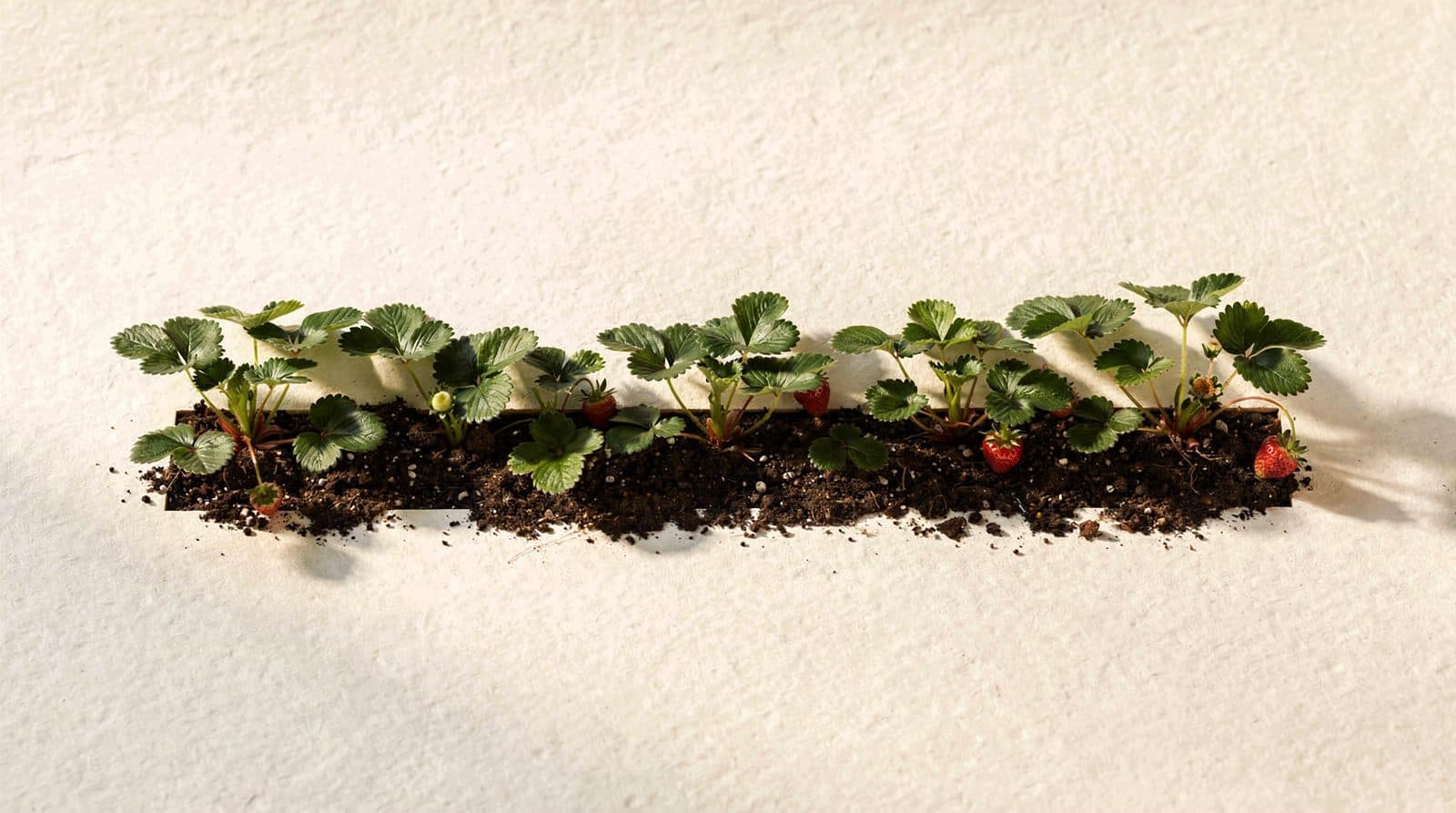
Illustrative photograph — harvest cues stay on the cited sheets.
Plant and type notes live on how to grow strawberries.
What the sources say — at a glance
One source per card. Facts are not averaged.
Maryland Extension (Maryland)
Fully red, then 1 to 2 days. Late-fall straw mulch.
Details and limits (3)
Harvest
Maryland Extension (Maryland): strawberries should be left on the plant 1 to 2 days after turning fully red. Twist the stem and fruit from the vine. Harvest cue — not a keeping promise.
Method
Maryland Extension (Maryland): mulch plants with straw or mower-shredded tree leaves in late fall when night temperatures approach 20°F. Frost method — not a freeze-proof claim and not a ZIP tool.
Limit
Maryland strawberry garden page. Harvest cue and named frost method only.
Clemson HGIC 1405 (South Carolina)
Totally red. Bird netting, stakes every 2 feet.
Details and limits (3)
Harvest
Clemson HGIC 1405 (South Carolina): harvest strawberries every other day or three times per week. The ideal time to harvest is early in the morning while berries are still cool. Pick only those that are totally red. Harvest cue.
Method
Clemson HGIC 1405 (South Carolina): cover the planting with bird netting. Anchor the net around the entire planting. Place 6- to 8-inch stakes every 2 feet around the planting to anchor the net. Bird method — not an efficacy claim.
Limit
South Carolina HGIC 1405. Harvest cue and named netting method only.
Sources differ
Make it yours
Save the bed in the Field Book so next season is not a guess.
Verified suppliers only
No supplier on this page
When a partner is listed, it will be outbound and disclosed. Nothing to buy here. Fertilizer, soils, and pesticides stay off this slot.
What to record in the Field Book
Save the bed with the crop and the date. You may add a photo and notes. Compare entries you have recorded with each other — not with a diagnosis from this page. If you want an identification, bring the record to local Extension.
How we know — methodology. Ranges and assertions are cited per source, not blended.