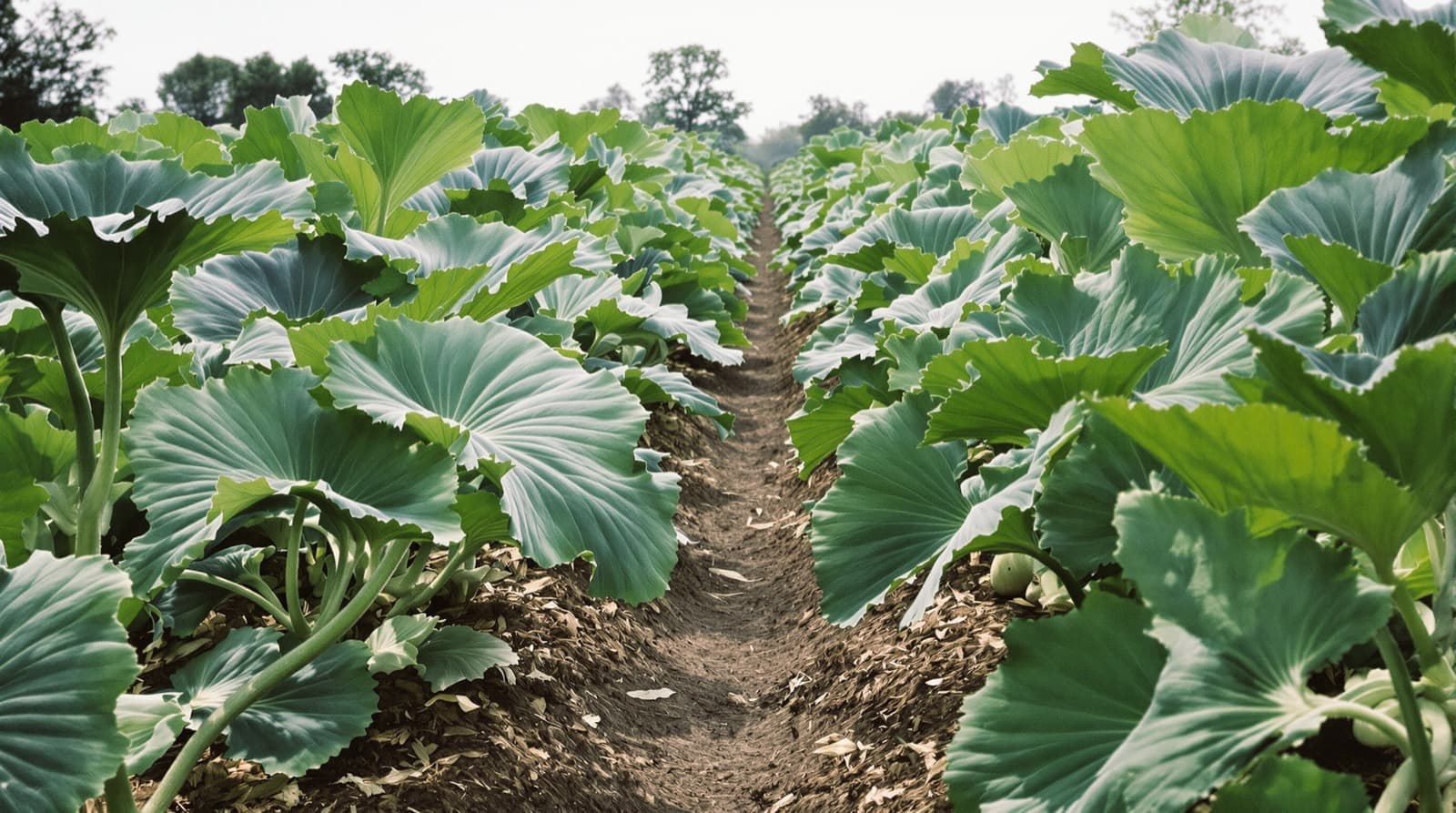
Planting timing · Frost-anchored
When to plant squash
When to plant squash here is cited summer-squash frost and soil-temperature context — not a national calendar month. Winter-squash timing is reserved. There is no single trick.
Growing guidance is general information. Timing, spacing, and care depend on cultivar, weather, soil, and local conditions. Check the sources and adjust the plan for your garden.
Your window
Use your last-spring-frost history — not a national month.
A ZIP calculator is not live on this page. Save the bed to store the window you actually used.
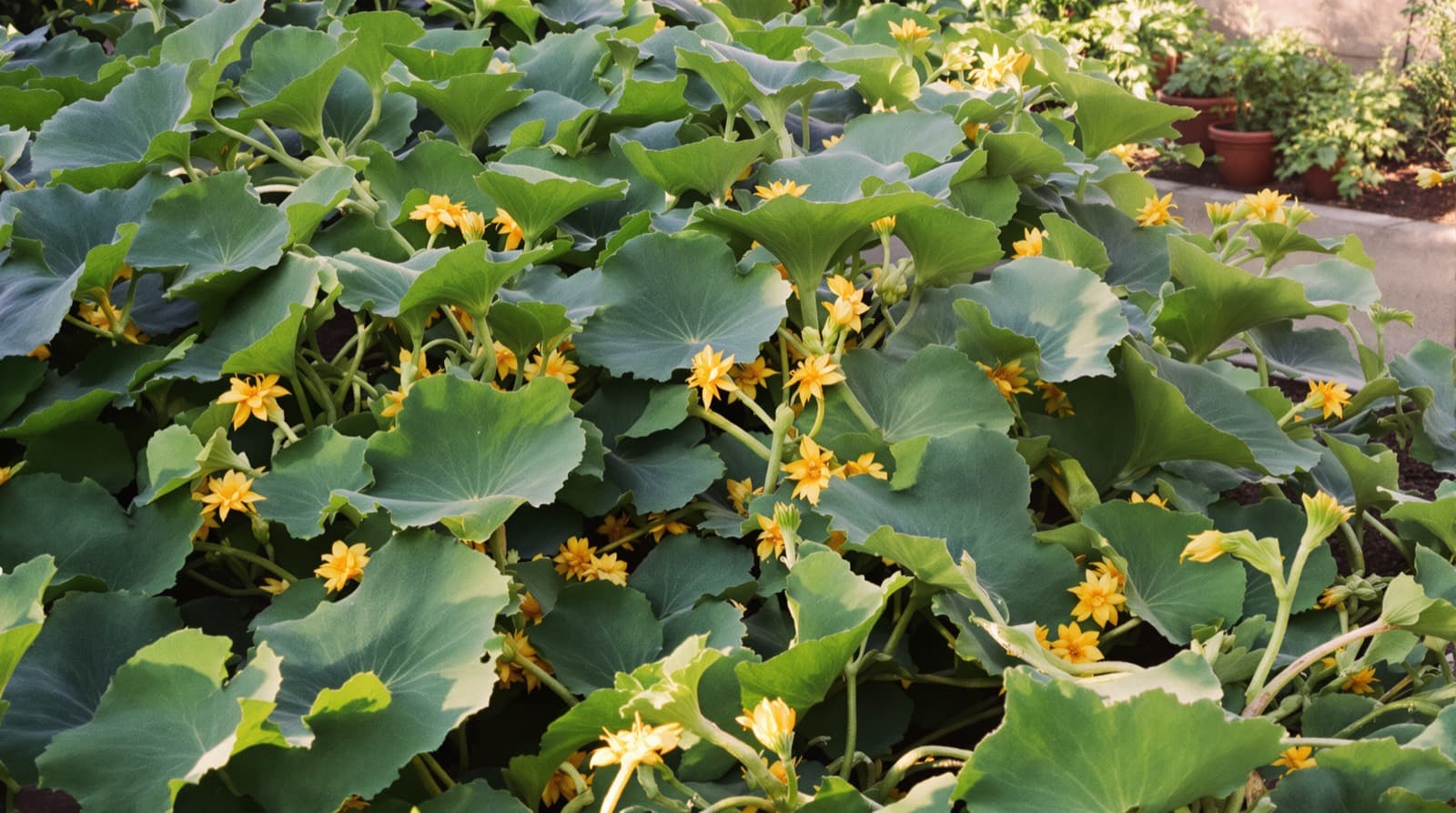
Soil temperature and frost notes are source-specific — not a national month.
Types live on the squash hub. In-season water and mulch live on squash plant care.
What the sources say — at a glance
One source per card. Facts are not averaged.
Clemson HGIC 1321 (South Carolina)
Do not plant until after last frost and soil is 60°F, 4 inches down. Seeds ½ inch deep, 4 to 6 inches in-row.
Details and limits (9)
Timing
Squash seeds do not germinate well in cold soil; in the spring, do not plant until after the last chance of frost has passed and the soil temperature is 60°F, 4 inches below the surface. Timing on their sheet — not a BioArva calendar.
Cover
Their sheet lists row covers and black plastic mulch in early-squash context. Cover/mulch note on their sheet — not a product ranking, frost-protection claim, or universal instruction.
Temperature
Summer squash is a warm-season crop that grows best at average temperatures between 65 and 75°F. Temperature on their sheet — not a BioArva climate zone.
Timing
Their sheet lists Piedmont spring planting Apr 15 to Jul 31 and Coastal spring Mar 15 to Jul 31. Timing on their sheet — not a BioArva calendar.
Start
Squash plants can be planted from seed or transplants. Starting-stock note on their sheet — not a ranking.
Depth
Plant the seeds ½ inch deep and 4 to 6 inches apart in the row. Seed-depth on their sheet — not a BioArva how-to.
Timing
Their sheet lists Piedmont fall planting July 15 to Aug 15 and Coastal fall Aug 1 to Aug 31. Timing on their summer-squash sheet — not winter-squash timing and not a BioArva calendar.
Cover
Remove row-cover materials before temperatures get above 75°F. Cover-timing on their sheet — not a BioArva calendar.
Limit
South Carolina summer-squash sheet. Not winter-squash timing.
UMN Extension (Minnesota)
Sow after last frost once soil is at least 70°F at two inches. In most of Minnesota, late May, or early June in the north.
Details and limits (11)
Timing
Use a soil thermometer and sow seeds after the last frost date, once soil temperatures are at least 70°F at the two-inch depth; in most of Minnesota, this will be sometime in late May, or early June in the north. Timing on their sheet — not a BioArva calendar.
Timing
Sow seed directly in the garden after the soil has warmed, in late May to early June. Timing on their sheet — not a BioArva calendar.
Succession
Their sheet lists split squash seeding, with the final planting three weeks later. Succession interval on their sheet — not a BioArva calendar or harvest promise.
Mulch
Earlier planting is possible with black plastic mulch, which raises soil temperature. Timing/mulch context on their sheet — not a BioArva calendar.
Timing
Squash seeds will not germinate in cold soil; plants started indoors and set out into cold soil will also not grow very well. Timing on their sheet — not a BioArva climate zone.
Cover
Plastic mulch and row covers allow earlier planting. Timing context on their sheet — not a BioArva calendar.
Start
Direct seeding is preferred for starting squash. Starting-stock note on their sheet — not a ranking.
Depth
Sow seeds about a half-inch deep. Seed-depth on their sheet — not a BioArva how-to.
Cover
Their sheet lists removing row covers once flowering begins so pollinators can reach the flowers. Cover-timing on their sheet — not a BioArva calendar, pest-control method, or cold-protection claim.
Start
Their sheet notes damage during transplanting in the context of indoor-started squash plants. Starting-stock context on their sheet — not a failure diagnosis or a ranking of direct-seed versus transplant.
Limit
Minnesota summer-squash sheet. 70°F at two inches is not Clemson’s 60°F at four inches.
Maryland Extension (Maryland)
Very tender warm-season annual; sow after frost danger and soil has warmed. Plant a second crop July 1–15.
Details and limits (7)
Hardiness
Summer squash is a very tender warm-season annual; frost will injure top growth; needs warm weather to grow. Hardiness on their sheet — not a BioArva climate zone.
Succession
Plant a second crop July 1–15. Succession interval on their sheet — not a BioArva calendar.
Start
Their sheet lists starting seed indoors in 3-inch diameter containers 3 weeks prior to planting time. Indoor-start interval and container size on their sheet — not a BioArva how-to.
Timing
Sow seed directly into the garden after the danger of frost has passed and soil has warmed. Timing on their sheet — not a BioArva calendar.
Mulch
Their sheet lists seed or transplants through black plastic or landscape fabric. Timing/mulch context on their sheet — not a product ranking or maturity claim.
Succession
Plant summer squash 2–3 times during the growing season. Succession interval on their sheet — not a BioArva calendar.
Limit
Maryland summer-squash sheet. July 1–15 is Maryland, not a national date.
Sources differ
Make it yours
Save the bed in the Field Book so next season is not a guess.
Verified suppliers only
No supplier on this page
When a partner is listed, it will be outbound and disclosed. Nothing to buy here. Fertilizer, soils, and pesticides stay off this slot.
What month can you plant squash?
This guide does not name a US month. Clemson HGIC 1321 (South Carolina): do not plant until after the last chance of frost has passed and the soil temperature is 60°F, 4 inches below the surface. Timing on their sheet — not a BioArva calendar.
Is July too late to plant summer squash?
This guide does not set a July cutoff. It covers frost and soil-temperature context on cited sheets — not a national calendar.
What are the secrets to growing squash?
There is no single trick. UMN Extension (Minnesota): sow seeds after the last frost date, once soil temperatures are at least 70°F at the two-inch depth. Timing on their sheet — not a BioArva calendar.
What should you not plant next to squash?
This guide does not provide companion-planting guidance.
What not to plant next to summer squash?
This guide does not provide companion-planting guidance.
Can I plant squash in September?
This guide does not set a September date and does not cover winter-squash timing.
What to record in the Field Book
Save the bed with the crop and the date. You may add a photo and notes. Compare entries you have recorded with each other — not with a diagnosis from this page. If you want an identification, bring the record to local Extension.
How we know — methodology. Ranges and assertions are cited per source, not blended.