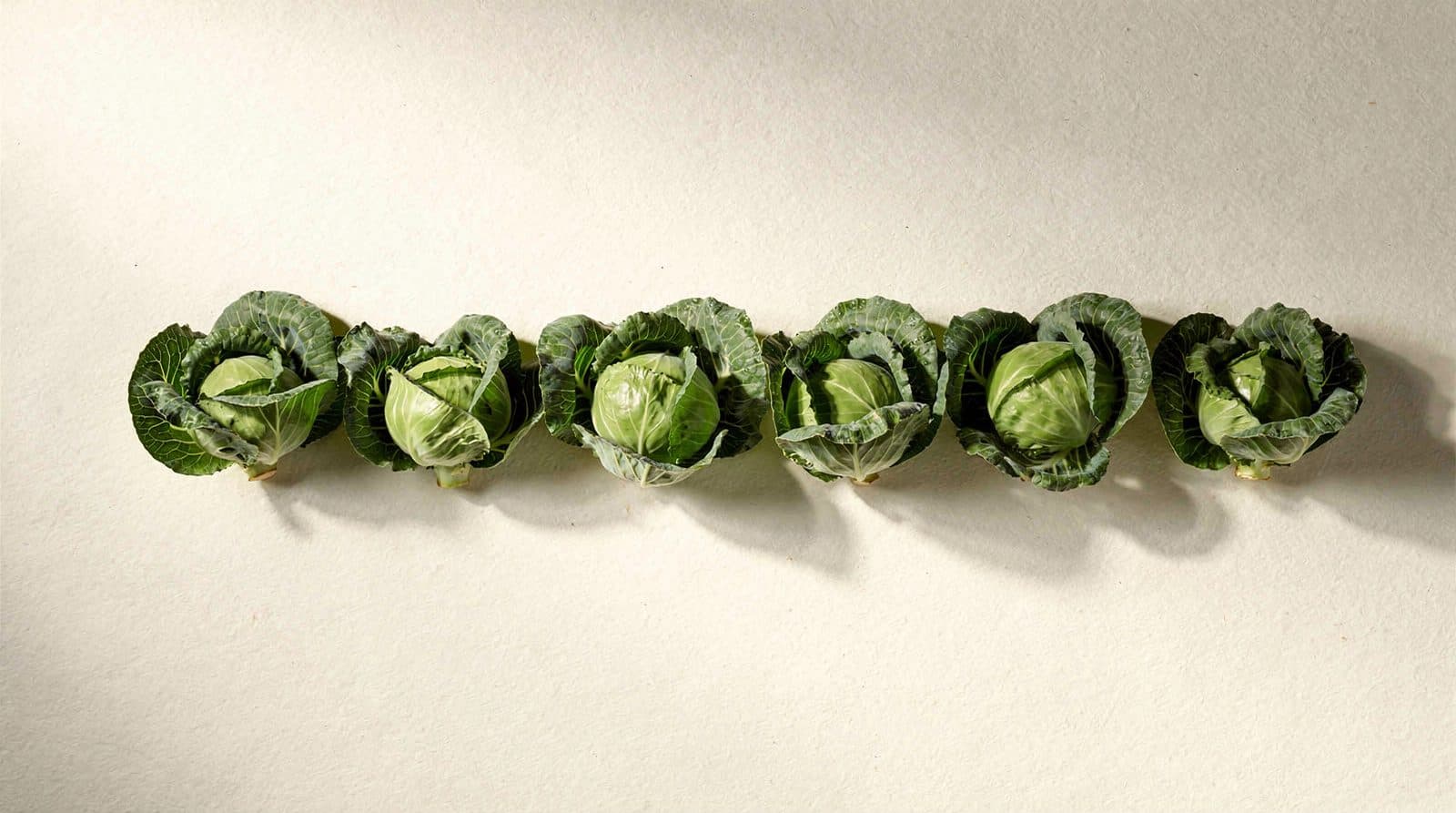
Harvest · Signals, not a promise
When to harvest cabbage
When to harvest cabbage here is cited harvest signals. Firmness cues stay on their own sheets. Those notes are not how long yours keeps.
Growing guidance is general information. Timing, spacing, and care depend on cultivar, weather, soil, and local conditions. Check the sources and adjust the plan for your garden.
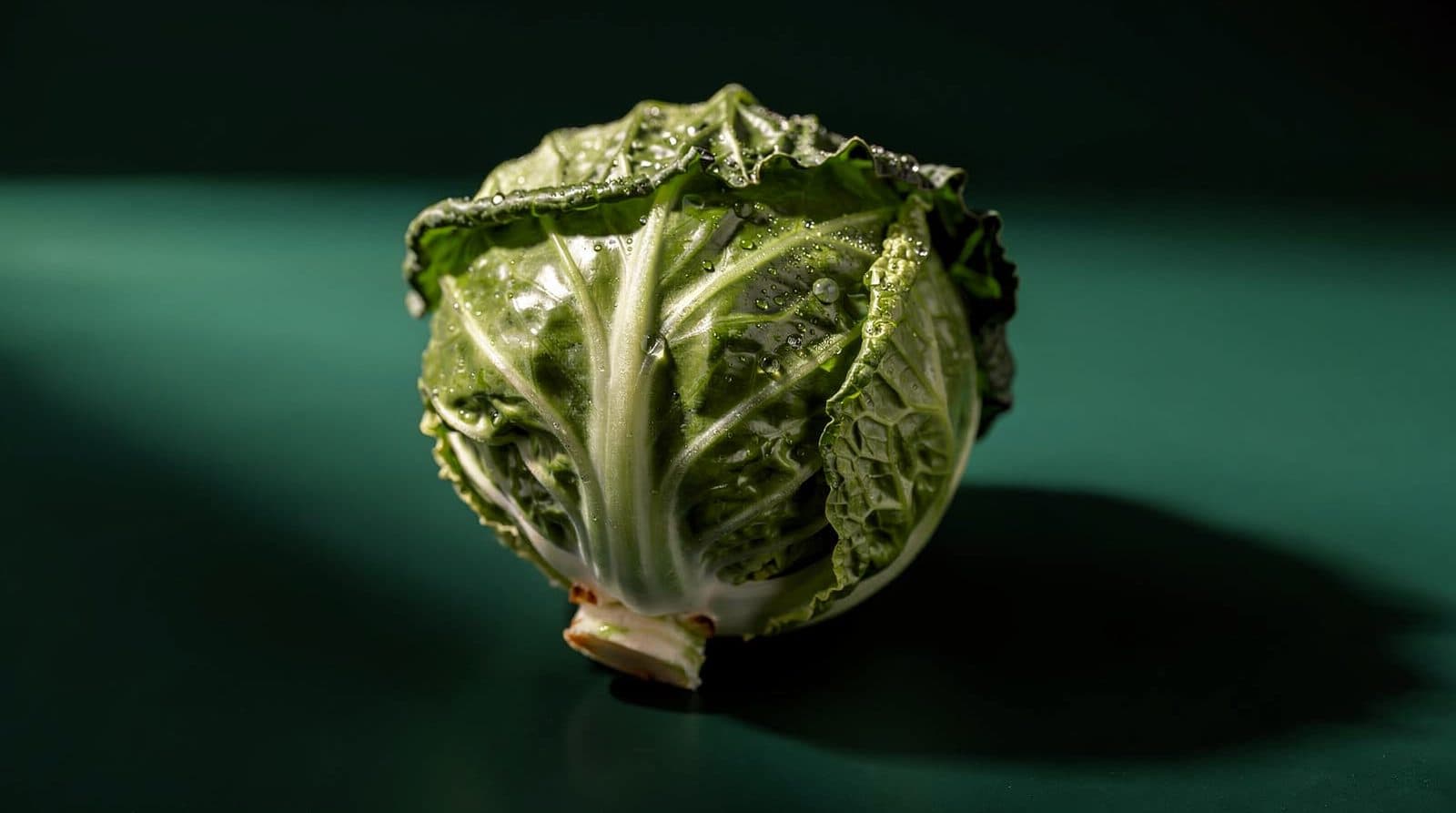
Illustrative photograph — harvest signals stay on the cited sheets.
Growing lives on growing cabbage. Timing lives on when to plant cabbage. Care lives on cabbage plant care.
What the sources say — at a glance
One source per card. Facts are not averaged.
Clemson HGIC 1303 (South Carolina)
Firm head; adequate size for the variety. Once cut, move out of the sun. Cue — not a keeping promise.
Details and limits (2)
Harvest
Clemson HGIC 1303 (South Carolina): harvest cabbage when the head is firm and has reached adequate size depending on the variety and growing conditions. Once cut, move it out of the sun as soon as possible. Cue — not a keeping promise.
Limit
South Carolina HGIC 1303. Firm-head cue stays on this sheet. Not storage.
Maryland Extension (Maryland)
Heads firm; size varies with variety, fertility, and spacing. If unable to harvest at maturity, bend the stem to break part of the roots.
Details and limits (3)
Harvest
Maryland Extension (Maryland): harvest when heads become firm; size will vary with variety, fertility, and spacing. Cue — not a keeping promise.
Method
Maryland Extension (Maryland): if unable to harvest at maturity, bend the stem over to break part of the roots. Method on their sheet — not a keeping promise.
Limit
Maryland cabbage garden page. Firm-head cue and stem-bend method stay Maryland. Not storage.
UMN Extension (Minnesota)
Usable size. Cut the head off above the outer leaves. Twist a quarter turn or shear one side of the roots with a spade.
Details and limits (3)
Harvest
UMN Extension (Minnesota): harvest cabbage when the heads reach a usable size. To harvest, cut the head off above the outer leaves. Cue — not a keeping promise.
Method
UMN Extension (Minnesota): twist the head a quarter turn or shear one side of the roots with a spade. Method on their sheet — not a keeping promise.
Limit
Minnesota cabbage sheet. Usable-size cue and twist or shear method stay Minnesota. Not storage.
Illinois Extension (Illinois)
Any time after heads form. Cut when solid, before they crack or split. Salvage split heads promptly. Sprouts on cut-stem stumps are a sheet note — not a harvest instruction.
Details and limits (3)
Harvest
Illinois Extension (Illinois): cabbage can be harvested any time after the heads form. Cut the cabbage heads when they are solid (firm to hand pressure) but before they crack or split. Cue — not a keeping promise.
Method
Illinois Extension (Illinois): harvest and salvage split heads as soon as possible after they are discovered. Cut as close to the lower surface of the head as possible, leaving the loose outer leaves intact. Sprouts on cut-stem stumps are an Illinois sheet note — not a harvest instruction. Method on their sheet — not a yield promise.
Limit
Illinois cabbage page. Firm-to-hand-pressure cue and split-head salvage stay Illinois. Not storage.
Sources differ
Make it yours
Save the bed in the Field Book so next season is not a guess.
Verified suppliers only
No supplier on this page
When a partner is listed, it will be outbound and disclosed. Nothing to buy here. Fertilizer, soils, and pesticides stay off this slot.
How do you know when cabbage is ready to harvest?
Compare harvest signals on the cited sheets. Clemson HGIC 1303 (South Carolina): firm head, adequate size for the variety. Maryland: when heads become firm. Minnesota: usable size. Illinois: solid to hand pressure, before they crack or split.
Do the sheets agree on a size?
No. Clemson lists adequate size for the variety. Maryland says size varies with variety, fertility, and spacing. Minnesota lists usable size. Illinois does not give a diameter — firm to hand pressure. Four cards — not averaged.
How we know — methodology. Ranges and assertions are cited per source, not blended.