Tomato problem · Symptom guide
Tomato flowers falling off
Tomato blossoms often abort when heat, cold nights, or water swings stress the plant, even if the vines look healthy. Check recent highs and lows at your site. This page does not sell blossom-set products.
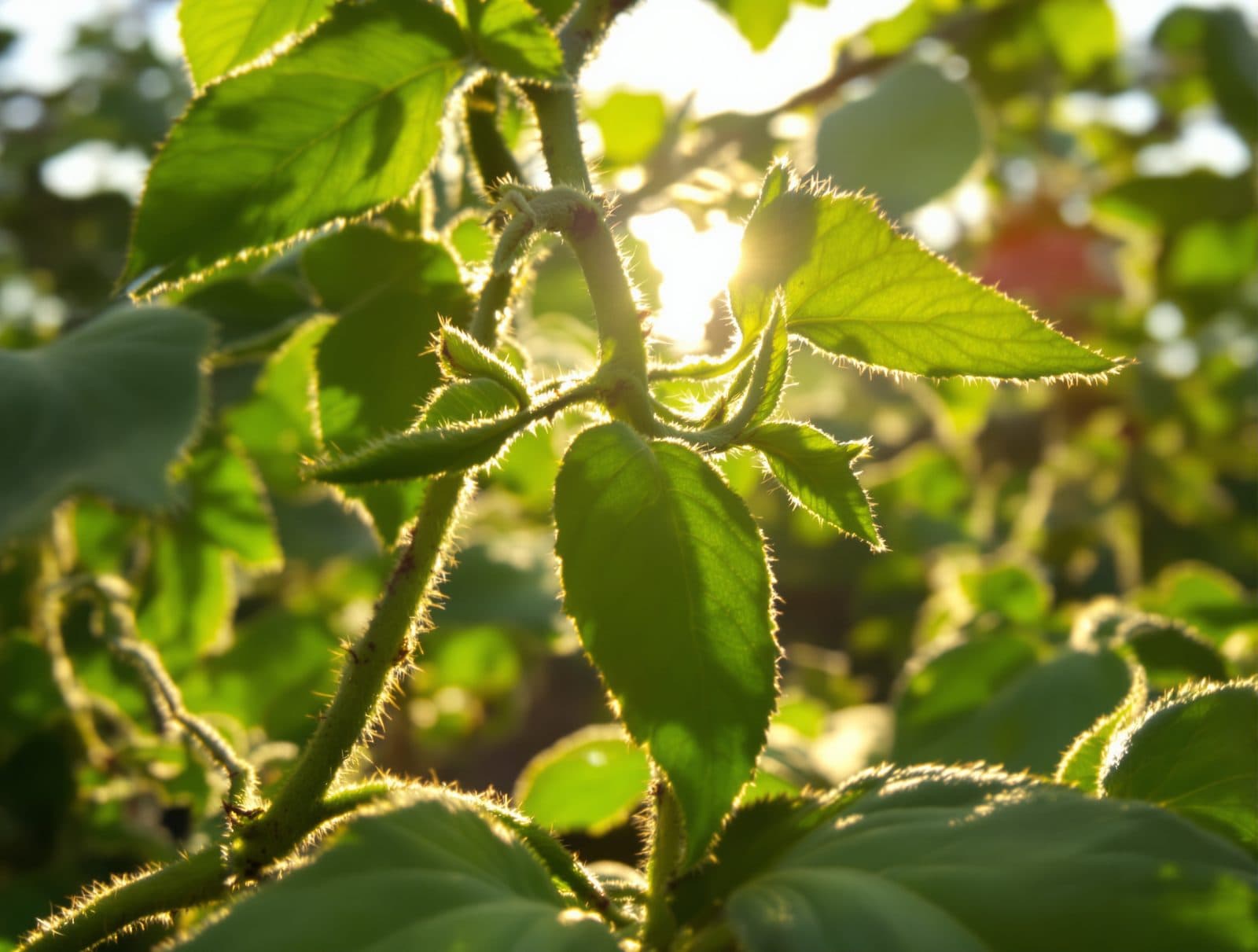
Healthy foliage for comparison — check your plant's newest growth.
Look
Flowers form, then abort before fruit. The plant may look healthy.
Questions
- Daytime heat well above what you consider a mild summer?
- Nights still cold?
- Did you just transplant?
- Are you watering in big swings?
Most likely possibility
Cited observations are comparisons—not a confirmed diagnosis. Check the cited sources and local requirements before taking action.
Save this bed. See it coming next year.
Your checks stay in the Field Book so next season is not a guess.
Common possibilities: heat or cold outside the cultivar’s comfort; drought then flood; excess vegetative push. Not a reason to buy a blossom-set product on this page.
What to do now
- Check recent highs and overnight lows against your weather, not a national chart.
- Consider holding nitrogen-heavy habits if vines are all leaf (do not buy a fertilizer here).
- Monitor the next flower cluster after weather breaks.
- Contact local Extension if flowers never appear at all, or the plant is wilted.
Prevent
Plant in a window that matches the cultivar; even water; support. See when to plant.
Other causes
Heat, cold nights, and water swings can look the same as a pollination miss. Compare recent weather. This page does not sell a set spray.
What the sources say — at a glance
One source per card. Facts are not averaged.
Clemson (South Carolina)
They link flower loss to stretches where nights stay above 70°F or days stay above 85°F. Pattern comparison — not a confirmed cause.
Details and limits (2)
Pattern
They link flower loss to stretches where nights stay above 70°F or days stay above 85°F.
Limit
Clemson blossom-drop sheet. Not one BioArva temperature band and not a set-spray product.
Maryland Extension (Maryland)
Vegetable-set sheet: poorer flower and fruit set below 55°F or above 95°F. That sheet does not split day from night.
Details and limits (2)
Pattern
Their vegetable-set sheet reports poorer flower and fruit set when temperatures fall below 55°F or rise above 95°F; that sheet does not split day from night.
Limit
Maryland vegetable-set sheet. Different URL from their weekly fruit-set note.
Maryland Extension (Maryland — mid-Atlantic note)
Weekly fruit-set note ties drop to daytime readings at or above 90°F while nights only reach about 70°F.
Details and limits (2)
Pattern
Their weekly fruit-set note ties drop to daytime readings at or above 90°F while nights only reach about 70°F.
Limit
Maryland weekly note. Different URL from their vegetable-set sheet. Not blended.
Iowa State Extension (Iowa)
Disorders guide ties blossom drop to night temperatures under 55°F or over 75°F. Pattern comparison — not a diagnosis.
Details and limits (2)
Pattern
Their disorders guide ties blossom drop to night temperatures under 55°F or over 75°F.
Limit
Iowa disorders page. Not a BioArva band.
Utah State Extension (Utah)
Garden tomato sheet ties failed set to nights under 50°F or days over 95°F. Pattern comparison — not a confirmed cause.
Details and limits (2)
Pattern
Their garden tomato sheet ties failed set to nights under 50°F or days over 95°F.
Limit
Utah garden tomato page. Not a set-spray product.
Sources differ
Make it yours
Save the bed in the Field Book so next season is not a guess.
What can I check when flowers fall or fruit does not set?
Check recent highs and overnight lows against the cited source notes on this page — they are not one BioArva band. This page does not sell a set spray. Contact local Extension if flowers never appear or the plant is wilted.

How we know — methodology. Ranges and assertions are cited per source, not blended.