Pepper problem · Symptom guide
Pepper leaves curling
Pepper leaves may cup, crinkle, or roll without that meaning a confirmed cause. Compare newest growth. This page lists common possibilities, not a treatment. Mixed curl-and-yellow terms live here; yellow-only terms live on yellow leaves.
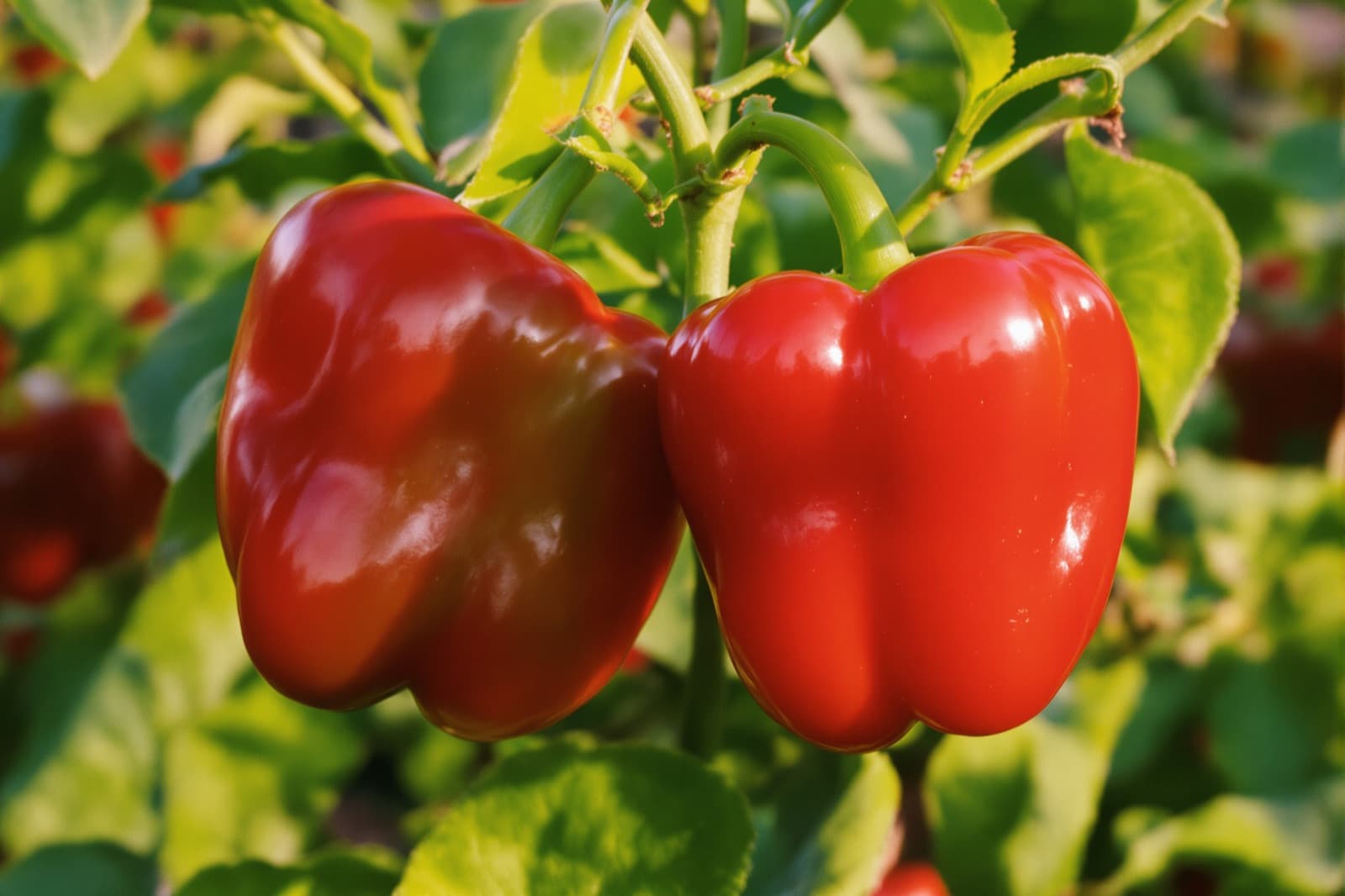
Healthy foliage for comparison — check your plant's newest growth. This is not a diagnosis.
Look
New leaves cup, crinkle, or roll. Older leaves may look normal. Purple, black, or ornamental fruit color is not this page.
Questions
- Is it the newest growth, or the whole plant?
- Are stems otherwise firm, and is there new growth?
Most likely possibility
Cited observations are comparisons—not a confirmed diagnosis. Check the cited sources and local requirements before taking action.
Save this bed. See it coming next year.
Your checks stay in the Field Book so next season is not a guess.
This page does not name a disease or sell a treatment.
What to do now
- Compare newest leaves with older leaves.
- Contact local Extension if plants collapse, or you want an identification.
Prevent
Log the episode on the bed.
Other causes
Nutrient issues are not diagnosed from curl alone. A lab report you already have is a record, not a prescription. Sampling notes live on garden soil test. Yellow-only terms live on yellow leaves on pepper plants.
What the sources say — at a glance
One source per card. Facts are not averaged.
UMN Extension (Minnesota)
Aphids can colonize pepper plants in large numbers; they note you may notice leaf curling, discoloration, and sticky leaves. Possibility comparison only.
Details and limits (2)
Pattern
Aphids can colonize pepper plants in large numbers; they note you may notice leaf curling, discoloration, and sticky leaves. Possibility comparison only — not a diagnosis.
Limit
Minnesota pepper sheet. Not a diagnosis from a photo and not a treatment.
Utah State Extension (Utah)
Green or black soft-bodied insects on the underside of leaves; leaves often crinkle or curl. Growth-regulator weed-killer injury listed separately.
Details and limits (4)
Pattern
Their pepper insect note describes green or black soft-bodied insects that feed on the underside of leaves; leaves often crinkle or curl. Possibility comparison only — not a diagnosis.
Pattern
Their sheet describes pepper plants injured by 2,4-D or a similar growth-regulator weed killer. Possibility comparison only — not a diagnosis from a photo.
Pattern
Their aphid note describes plants that appear shiny, wet, or sticky from honeydew. Possibility comparison only — not a diagnosis.
Limit
Utah pepper sheet. Insect and herbicide notes are not inferred from curl alone.
University of Delaware Extension (Delaware)
Late spring and early summer leaf cupping and rolling in vegetable crops, including peppers. Many contributing factors. Pattern comparison only.
Details and limits (6)
Pattern
Beans, peppers, and other vegetables may cup downwards. Pattern comparison only — not a diagnosis.
Pattern
Their sheet notes late spring and early summer leaf cupping and rolling in vegetable crops, including peppers. Pattern comparison only — not a diagnosis.
Pattern
Their sheet notes leaf cupping and rolling may involve many contributing factors. Pattern comparison only — not a diagnosis from a photo.
Pattern
When compared to physiological leaf roll, growth-regulator herbicide injury symptoms will be concentrated on the upper part of the plant (growing points); none of those upper-growing-point, parallel-vein, or twisted-stem symptoms will be present in physiological leaf roll. Possibility comparison only — not a diagnosis from a photo.
Pattern
Their sheet lists cupped, crinkled, puckered, strap-shaped, stunted, and malformed leaves among growth-regulator herbicide injury symptoms. Possibility comparison only — not a diagnosis.
Limit
Delaware leaf-roll sheet. Not a diagnosis from a photo.
Make it yours
Save the bed in the Field Book so next season is not a guess.
What can I check when pepper leaves curl?
Compare newest growth with older leaves. The cited notes after Other causes are possibility comparisons, not a diagnosis. This page does not sell a treatment. Contact local Extension if plants collapse or you want an identification.
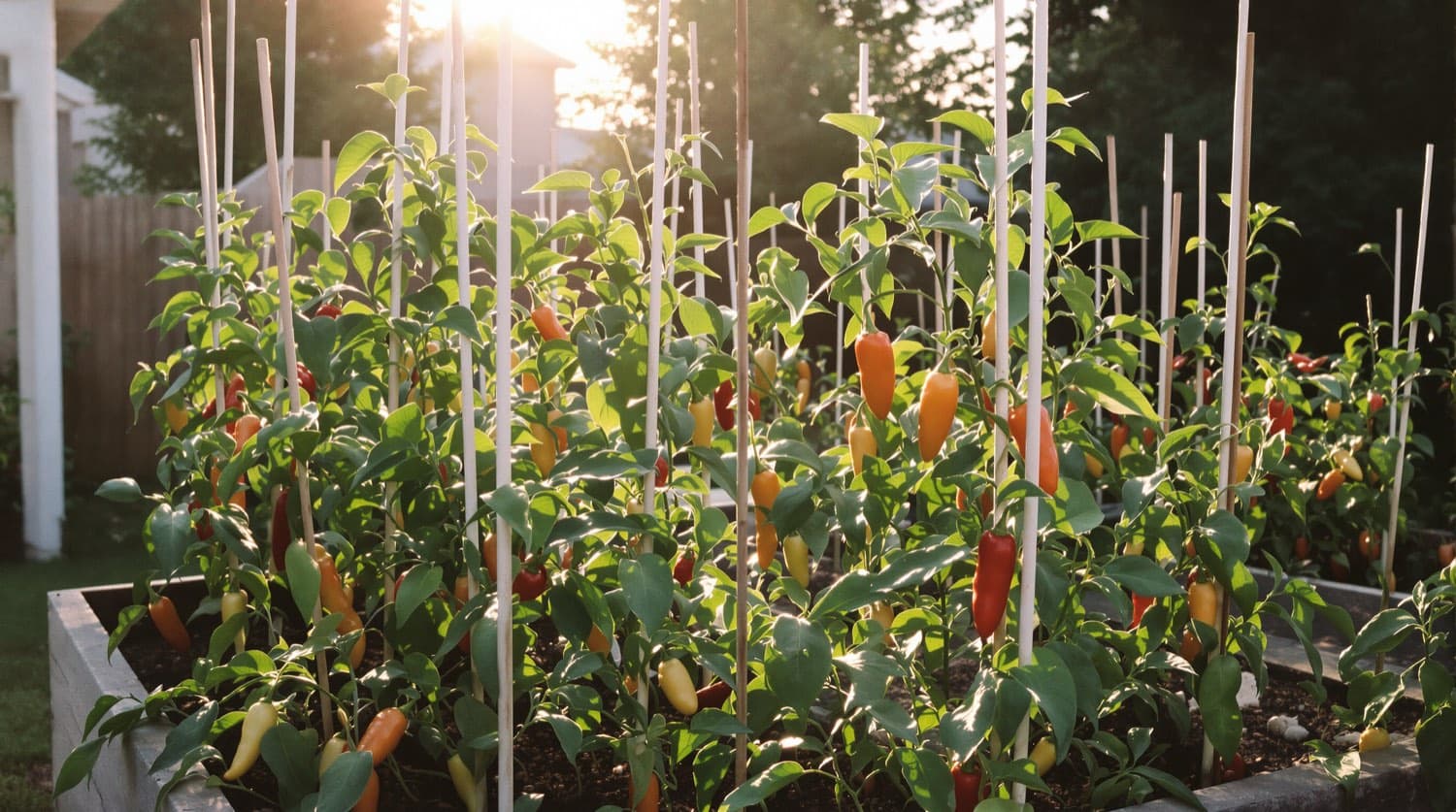
What to record in the Field Book
Save the bed with the crop and the date. You may add a photo and notes. Compare entries you have recorded with each other — not with a diagnosis from this page. If you want an identification, bring the record to local Extension.
How we know — methodology. Ranges and assertions are cited per source, not blended.