Lettuce · Symptom guide
Lettuce bolting
Cited sheets link high summer temperatures with seed-stalk formation and bitter flavor. That is a pattern comparison, not a confirmed cause for a given planting. This page does not diagnose or sell a treatment.
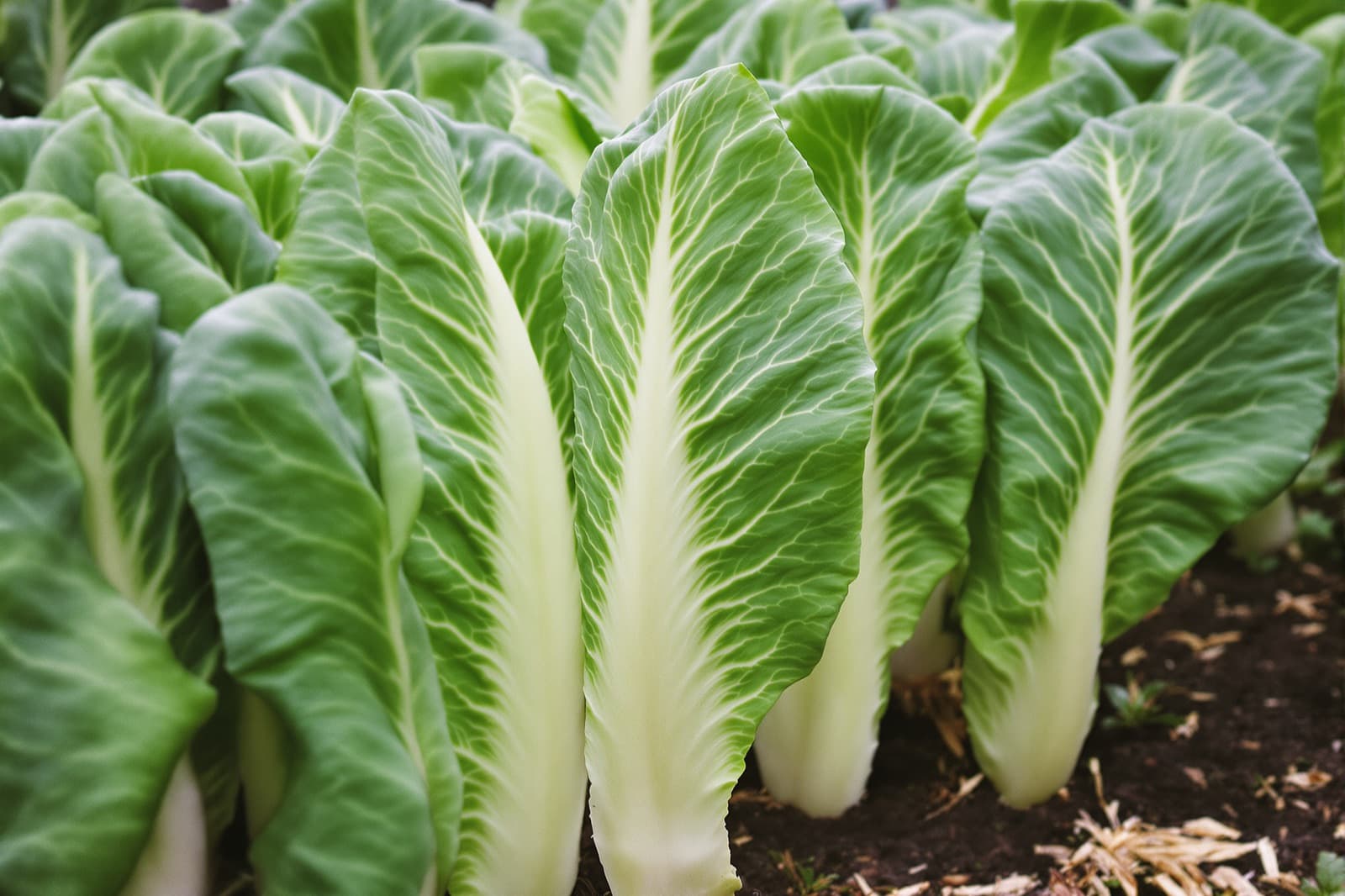
Compare newest leaves and whether a seed stalk has formed. This is not a diagnosis.
Look
A central stalk lengthens; leaves may taste bitter. Compare recent heat at your site. Wild lettuce is not this page.
Questions
- Have daytime highs been in a stretch you consider high summer?
- Is a seed stalk forming, or are you only tasting bitterness?
- Is this Bibb/butterhead, leaf, or another type on the label?
Most likely possibility
Cited observations are comparisons—not a confirmed diagnosis. Check the cited sources and local requirements before taking action.
Save this bed. See it coming next year.
Your checks stay in the Field Book so next season is not a guess.
Common possibility discussed on cited sheets: high summer temperatures in the context of seed-stalk formation and bitter flavor. Not a confirmed cause for your planting. Not a reason to buy a product here.
What to do now
- Check recent highs at your site against the source notes below — they are not one BioArva band.
- Contact local Extension if the plant is collapsed, rotting, or infested — this page does not identify pests.
Prevent
Sow in a cool-season window for your geography. See when to plant lettuce.
Other causes
Compare the plant in front of you. This page does not sell a treatment.
What the sources say — at a glance
One source per card. Facts are not averaged.
Clemson HGIC 1312 (South Carolina)
High summer temperatures linked with seed-stalk formation and bitter flavor. Pattern comparison only — not a confirmed cause.
Details and limits (5)
Pattern
Their sheet links high summer temperatures with seed-stalk formation and bitter flavor. Pattern comparison only—not a confirmed cause for a given planting.
Types
Their sheet distinguishes slow-bolting or heat-resistant variety categories. Type note only—no cultivar ranking, product, or promise.
Pattern
Lettuce does not tolerate hot weather on their sheet. Pattern comparison only — not a confirmed cause for a given planting.
Types
Many South Carolina gardeners find crisphead (iceberg) difficult to grow due to its lack of heat tolerance. Type note only — no cultivar ranking, product, or confirmed cause.
Limit
South Carolina sheet. Pattern comparison only — not a diagnosis.
Maryland Extension (Maryland)
Bibb can become bitter in high temperatures; day-length and heat linked with seedstalks. Pattern comparison only.
Details and limits (7)
Pattern
Their sheet notes Bibb lettuce can become bitter in high temperatures. Pattern comparison only—not a confirmed cause.
Types
Their sheet lists slow-bolting, heat-resistant types, including oak-leaf types. Their sheet lists that category in the context of extending the lettuce-growing season. Type note only—no cultivar ranking, product, or promise.
Shade
Their spring succession note describes using tall crops and trellises to shade late-spring lettuce plantings. Source-specific planning note—not a companion ranking or a BioArva calendar.
Pattern
Their sheet links increasing day-length and high summer temperatures with seedstalk formation and bitter flavor. Pattern comparison only — not a confirmed cause for a given planting.
Types
Their sheet notes crisphead (iceberg) requires a long, cool season and goes to seed as temperatures rise. Type note only—not a cultivar ranking, product, or confirmed cause.
Timing
Their sheet notes leaf lettuce can be grown from March to December with a break in July and August. Type/season note only — not a national calendar or a confirmed cause.
Limit
Maryland lettuce sheet. Pattern comparison only — not a diagnosis.
Purdue PPDL (Indiana)
Annual cool-season vegetables including lettuce bolt as days grow longer; linked with bitter foliage and heat.
Details and limits (2)
Pattern
Annual cool-season vegetables including lettuce will bolt as days grow longer in summer; their sheet links bolting with bitter flavors in the foliage and with hot temperatures. Pattern comparison only — not a confirmed cause.
Limit
Purdue PPDL. Pattern comparison only — not a diagnosis.
UMN Extension (Minnesota)
Bolting sends up a flowering stalk and stops growth. Multiple days above 75°F can cause flowering.
Details and limits (6)
Pattern
When bolting, the plant sends up a flowering stalk and stops growing. Pattern comparison only — not a confirmed cause for a given planting.
Pattern
These plants may bolt in response to long days, high light intensity, and heat; bolting causes extreme bitter flavor. Pattern comparison only — not a confirmed cause.
Pattern
Heat will slow growth and the leaves will become tough and bitter as the plant bolts. Pattern comparison only — not a confirmed cause.
Pattern
Multiple days of high temperatures (greater than 75°F) can cause lettuce plants to flower; this is often called bolting. Pattern comparison only — not a confirmed cause.
Types
Even types described as slow to bolt may flower. Type note only — no cultivar ranking, product, or promise.
Limit
Minnesota lettuce sheet. Pattern comparison only — not a diagnosis.
Illinois Extension (Illinois)
At high temperatures, growth is stunted, leaves may be bitter, and the seedstalk elongates rapidly.
Details and limits (4)
Pattern
At high temperatures, growth is stunted, the leaves may be bitter and the seedstalk forms and elongates rapidly. Pattern comparison only — not a confirmed cause for a given planting.
Types
Some types and varieties of lettuce withstand heat better than others. Type note only — no cultivar ranking, product, or promise.
Pattern
Their sheet notes seedstalk formation is caused by a combination of long days, warm temperatures and age. Pattern comparison only — not a confirmed cause for a given planting.
Limit
Illinois gardening lettuce page. Pattern comparison only — not a diagnosis.
University of Delaware Extension (Delaware)
Bolting is flower-stalk formation; response may be temperature, daylength, or both. High temperatures accelerate lettuce bolting.
Details and limits (6)
Pattern
Bolting is the term used for flower stalk formation in vegetables; bolting response may be related to temperature, daylength, or a combination. Pattern comparison only — not a confirmed cause for a given planting.
Pattern
Bolting in spinach, lettuce, and some radishes will occur naturally as days get longer (daylength effect). Pattern comparison only — not a confirmed cause.
Pattern
High temperatures will accelerate bolting in spinach and lettuce; lettuce may also be induced to bolt just by high temperature stress. Pattern comparison only — not a confirmed cause.
Timing
Late planting in others (such as lettuce) will contribute to bolting. Pattern comparison only — not a confirmed cause or a national calendar.
Types
Choose slow bolting varieties of spinach and lettuce. Type note only — no cultivar ranking, product, or promise.
Limit
Delaware weekly crop update. Pattern comparison only — not a diagnosis.
Make it yours
Save the bed in the Field Book so next season is not a guess.
What can I check when lettuce bolts?
Check recent heat and day-length at your site against the cited source notes on this page — they are pattern comparisons, not a confirmed cause. This page does not sell a treatment. Contact local Extension if the plant is collapsed or infested.
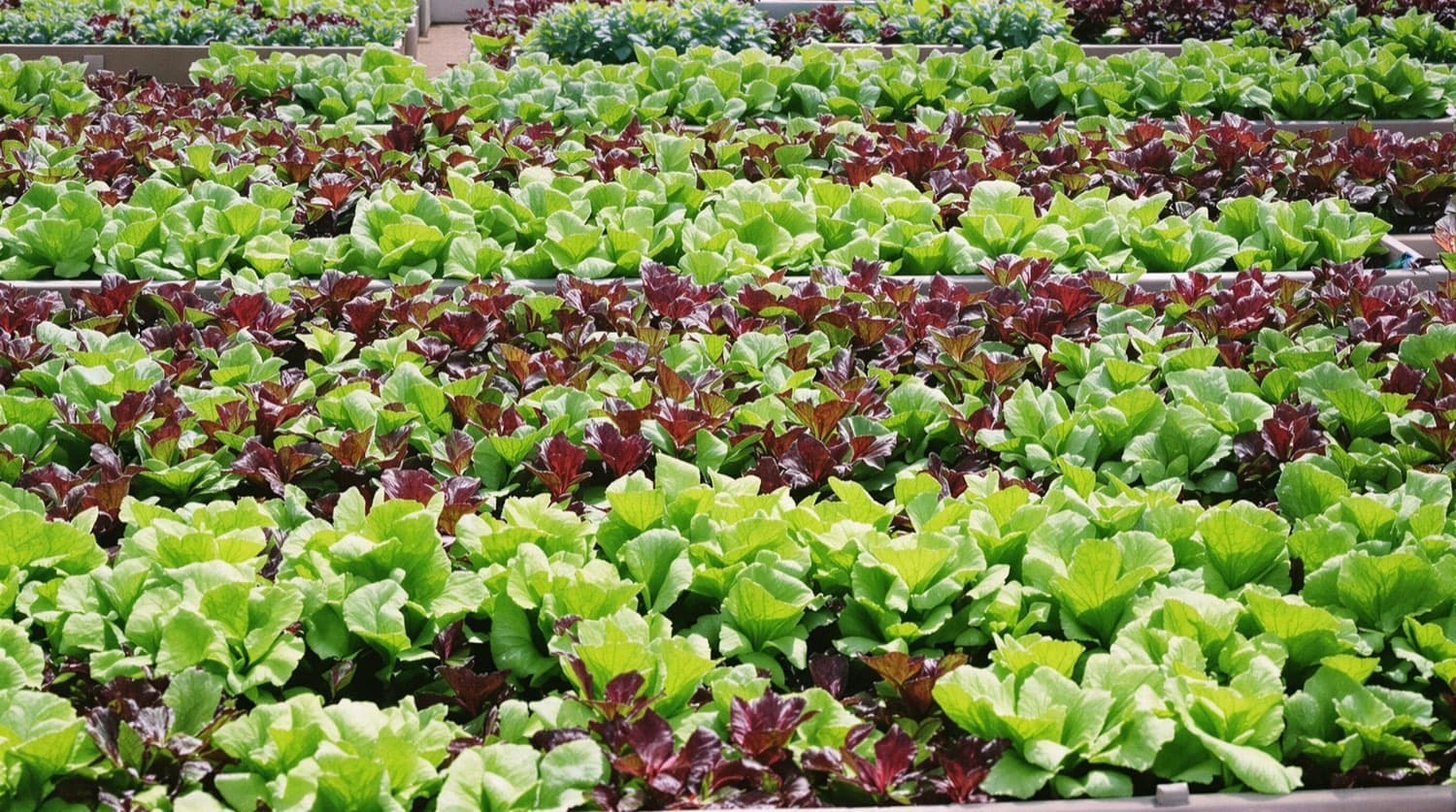
What to record in the Field Book
Save the bed with the crop and the date. You may add a photo and notes. Compare entries you have recorded with each other — not with a diagnosis from this page. If you want an identification, bring the record to local Extension.
How we know — methodology. Ranges and assertions are cited per source, not blended.